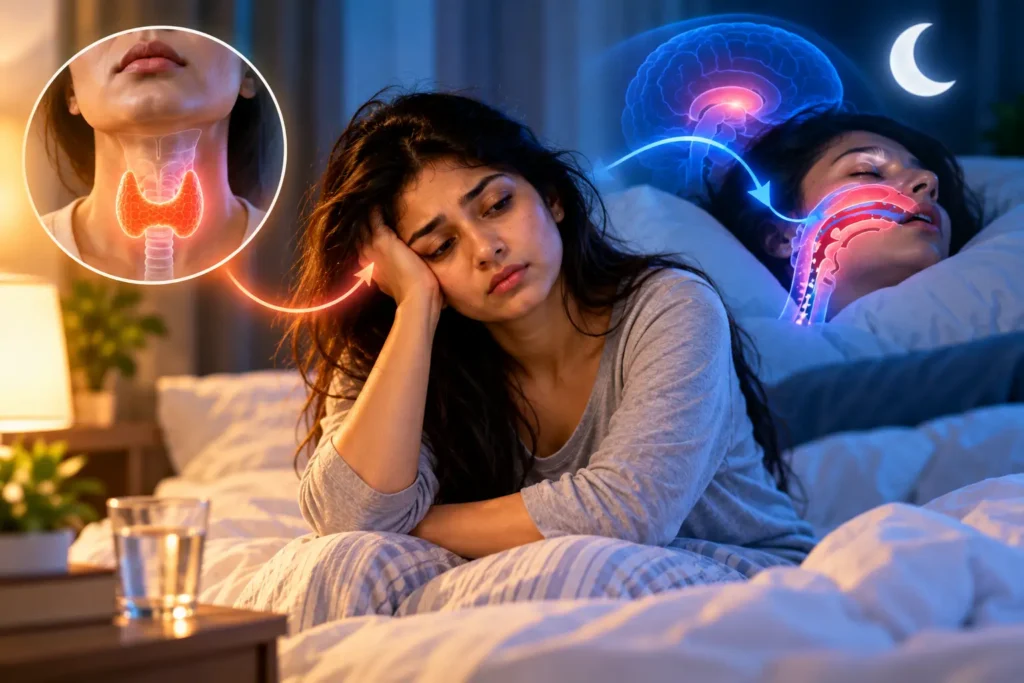
Polysomnography (PSG) remains the gold standard for diagnosing sleep apnea, but it can be complex, expensive, and uncomfortable. Emerging technologies using millimetre-wave radar combined with pulse oximetry aim to make screening more accessible, especially in underserved areas.
How Non-Contact Monitoring Works
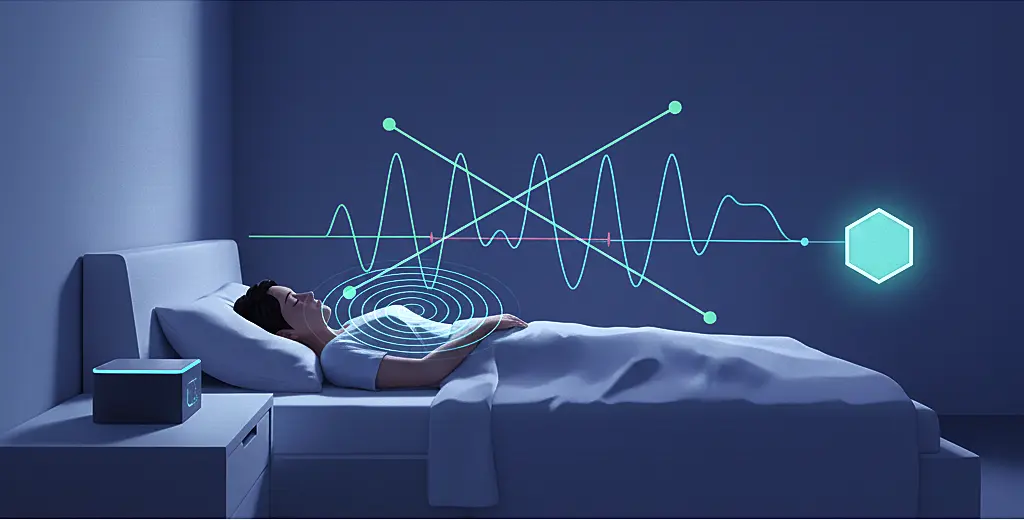
Radar-based monitoring captures small chest and abdominal movements without skin contact. When synchronised with oximetry and artificial intelligence (AI), these systems can detect:
• Apneas
• Hypopneas
• Variability in breathing effort
• Temporal event patterns
Highlights from Recent Research
The ROSA Study
A 2025 analysis of over 800 hours of radar + oximetry data demonstrated:
• Strong agreement with PSG for AHI estimation
• High temporal accuracy for event detection
• Potential scalability for home-based screening
Pediatric Radar Study
Another study investigating the QSA600 radar system found promising performance in paediatric sleep apnea detection.
Advantages
• Non-contact, wire-free, comfortable
• Suitable for home settings
• Cost-efficient
• Useful for multi-night recording
• Scalable for large populations (e.g., India’s rural regions)
Challenges
• Requires diverse home testing validation
• Not yet widely approved by regulatory bodies
• Must complement—not replace—PSG where definitive diagnosis is required
Conclusion
Radar + oximetry systems show strong potential for expanding early detection of sleep apnea. As research continues, these technologies may play a major role in increasing diagnosis rates globally.
References
1. ROSA Model Research (arXiv).
2. QSA600 Pediatric Radar Study (arXiv).
3. Peer-reviewed studies on radar-based respiration monitoring.
Medical Disclaimer
This article provides general information and should not be considered diagnostic. Only accredited sleep study facilities and clinicians can confirm or rule out sleep apnea.