




Your cart is currently empty!.
You may check out all the available products and buy some in the shop.
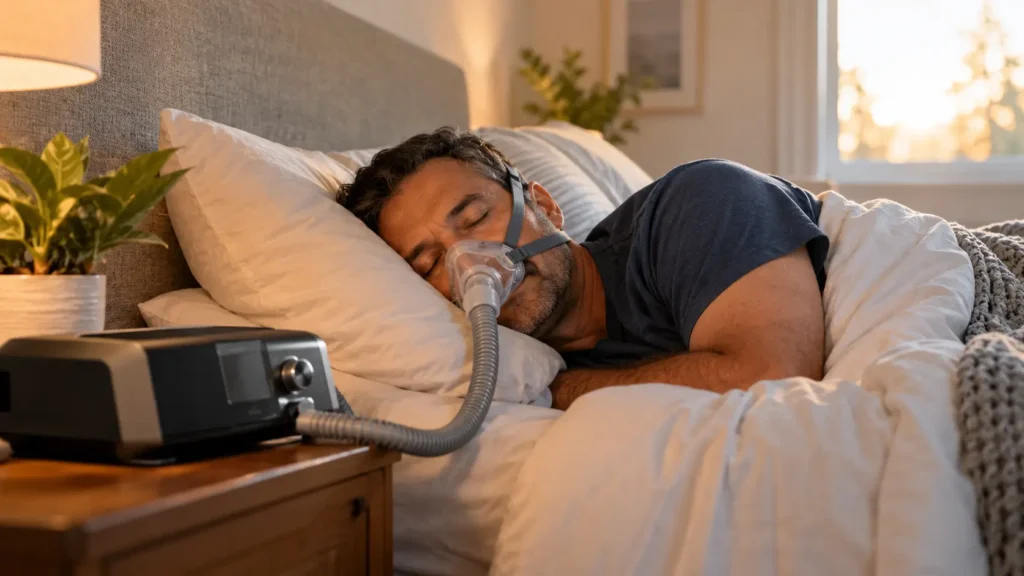
Continue ShoppingQuick Answer Can you stop using CPAP if you feel better? Usually, no—not without medical reassessment. Feeling more energetic, sleeping better, and snoring less…
Quick Answer Yes, you can have sleep apnea without being overweight. Obstructive sleep apnea occurs when the upper airway repeatedly narrows or closes during…
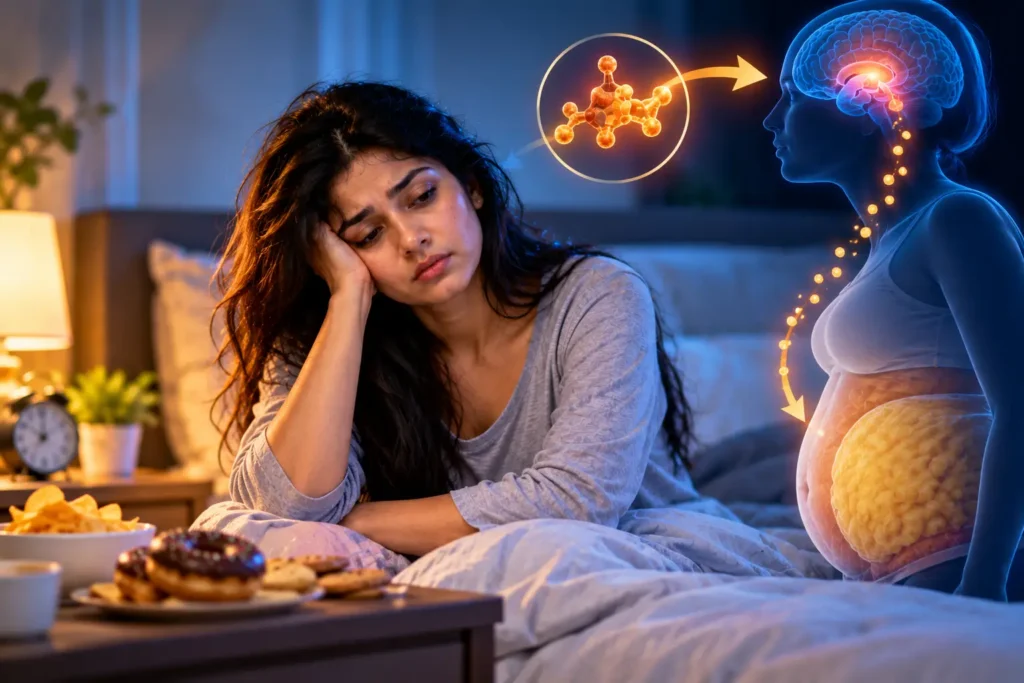
Quick Answer The cortisol belly fat loop describes how poor sleep, stress, appetite changes, and weight management difficulties can reinforce one another. Short or…
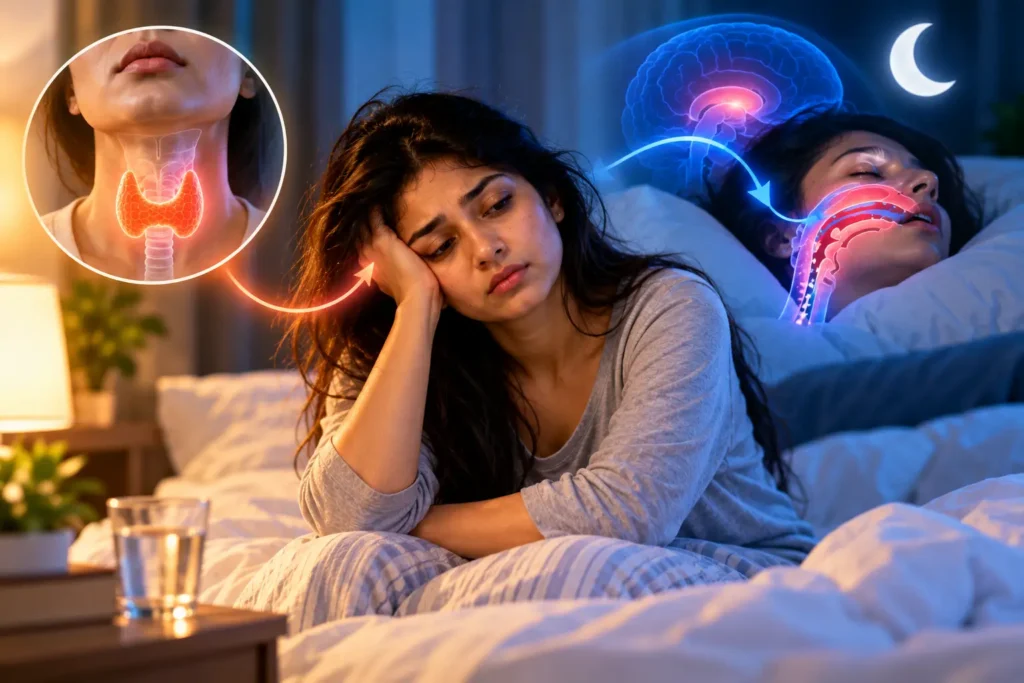
Quick Answer The sleep-thyroid connection describes how thyroid hormones influence energy, metabolism, body temperature, mood, and sleep-related health. Hypothyroidism, or an underactive thyroid, may…
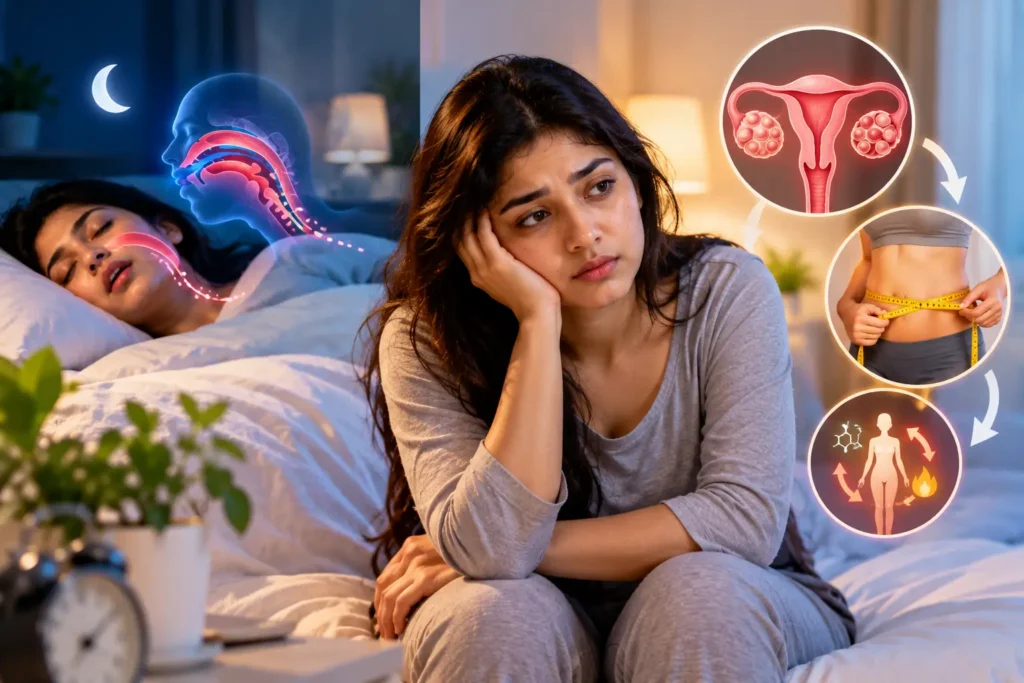
Quick Answer PCOS sleep apnea and slow metabolism are connected because polycystic ovary syndrome (PCOS) can involve insulin resistance, hormonal changes, weight gain, and…
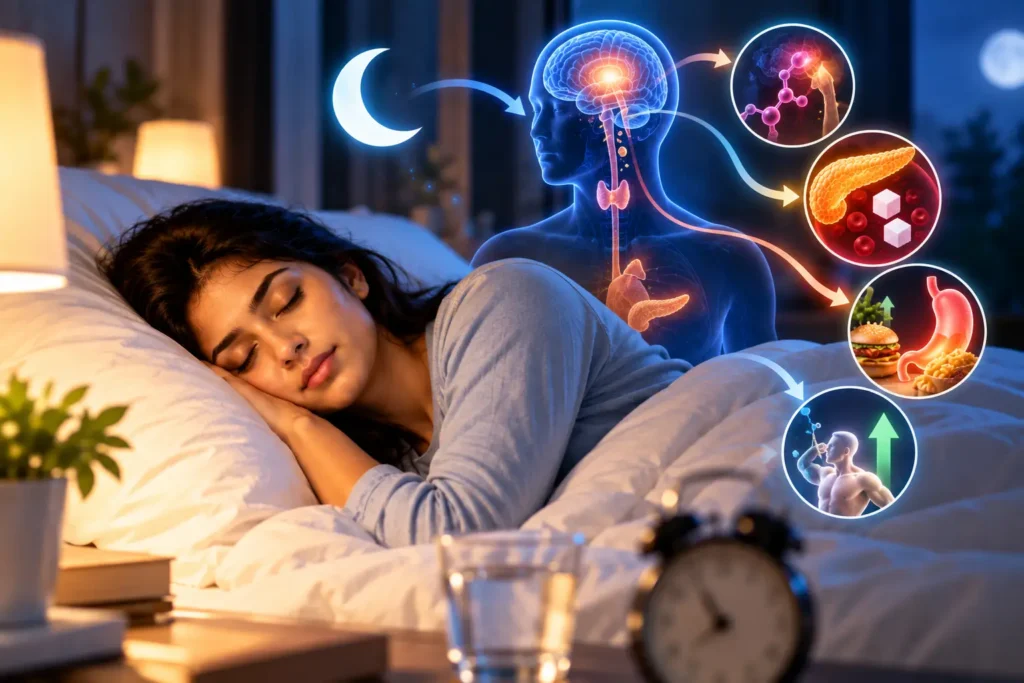
Quick Answer Sleep and metabolism are connected because good sleep helps regulate energy use, appetite hormones, insulin response, stress hormones, recovery, and fat processing.…
Quick Answer Sleep metabolism and hormonal health are connected because sleep helps regulate energy use, blood sugar control, appetite hormones, cortisol rhythm, growth hormone…
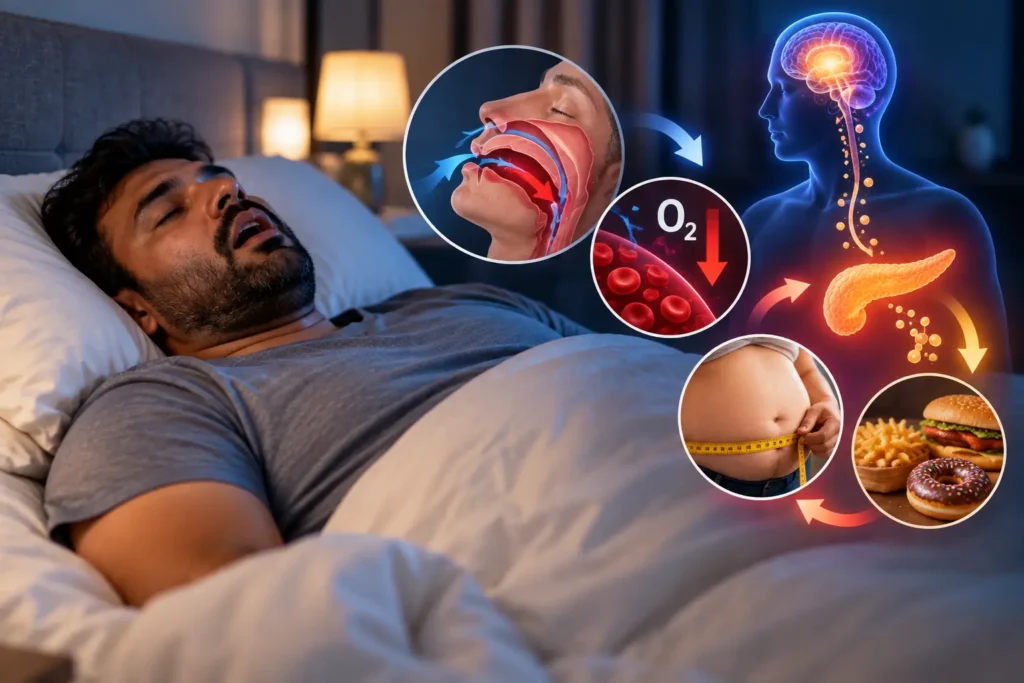
Quick Answer Sleep apnea and metabolism are connected because repeated breathing pauses during sleep can lower oxygen levels, disturb deep sleep, increase stress signals,…
Quick Answer Melatonin and insulin are connected because melatonin helps signal nighttime sleep timing, while insulin helps control blood glucose after food. When sleep…
Quick Answer Late-night eating vs sleep means understanding how eating close to bedtime affects digestion, insulin response, blood sugar, reflux, body temperature, snoring, and…