Quick Answer
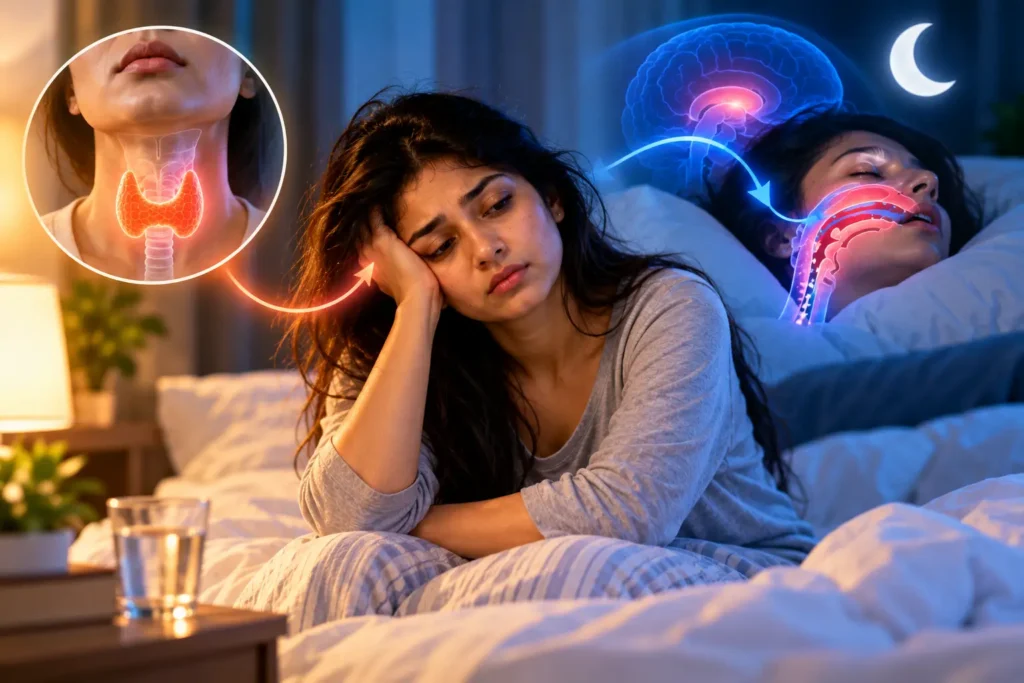
The cortisol belly fat loop describes how poor sleep, stress, appetite changes, and weight management difficulties can reinforce one another. Short or fragmented sleep may disrupt cortisol patterns, reduce insulin sensitivity, increase cravings, and lower daytime energy. Over time, these changes can make abdominal weight management harder, particularly alongside excess calorie intake and inactivity.
Cortisol is not always harmful. Your body needs this hormone to wake up, maintain blood pressure, regulate energy, and respond to stress.
However, when sleep becomes short, irregular, or repeatedly interrupted, cortisol regulation and other metabolic processes may be affected.
Therefore, improving sleep quality can support weight management, especially when combined with balanced nutrition, regular movement, stress management, and appropriate medical care.
Introduction
Many people try to lose belly fat by reducing calories, walking more, or increasing exercise. However, they may overlook an important factor: sleep quality.
The cortisol belly fat loop describes a cycle in which poor sleep increases tiredness and stress, while stress and unhealthy daily habits make sleep harder.
For example, after a restless night, you may wake exhausted, skip exercise, drink more caffeine, crave sweets, and eat later than usual.
Over time, these patterns can contribute to excess calorie intake, reduced activity, and difficulty managing body weight.
However, stubborn belly fat does not automatically mean cortisol is high. Weight distribution depends on several factors, including genetics, hormones, age, diet, physical activity, and medical conditions.
This guide explains how cortisol, deep sleep, insulin, appetite, and sleep apnea may influence weight management.
What Is Cortisol?
Cortisol is a hormone produced by the adrenal glands. It helps the body respond to stress, maintain blood pressure, regulate glucose availability, and support normal daily functions.
Your cortisol level follows a natural daily rhythm.
Typically, cortisol rises around waking and gradually decreases throughout the day. This pattern helps you stay alert in the morning while supporting rest at night.
However, sleep loss, irregular schedules, ongoing stress, and certain medical conditions can disturb cortisol regulation.
When your sleep and stress patterns are disrupted, you may experience:
- Difficulty falling asleep
- Frequent nighttime waking
- Feeling tired but mentally alert
- Increased caffeine dependence
- Afternoon energy crashes
- Irritability
- Difficulty concentrating
- Changes in appetite
- Late-night snacking
These symptoms do not prove that cortisol levels are abnormal.
Instead, they suggest that sleep quality, stress, and other health factors may need attention.
How the Cortisol Belly Fat Loop Starts
The cortisol belly fat loop often begins with poor sleep and stressful daily habits reinforcing each other.
Imagine staying awake late because of work or phone scrolling.
The next morning, you feel exhausted. You skip your usual walk, drink extra tea or coffee, and choose convenient high-calorie snacks.
By evening, you feel stressed and hungry. Dinner becomes late, and bedtime shifts again.
This creates a repeating pattern:
- Short or fragmented sleep reduces restorative rest.
- Tiredness makes daily activities more difficult.
- Hunger and food cravings may increase.
- Exercise and movement become less consistent.
- Caffeine, snacking, and late meals may increase.
- Sleep quality may decline further.
- Weight management becomes more challenging.
- Stress about health and weight may increase.
Research links insufficient sleep with changes in appetite regulation, glucose metabolism, and stress physiology.
However, these effects vary between individuals. The cycle is not caused by cortisol alone.
The key point: Improving sleep can make healthy eating, movement, and stress management easier to maintain.
Why Deep Sleep Matters for Fat Control
Deep sleep, also called slow-wave sleep, is an important stage of non-REM sleep.
During this stage, the body supports tissue repair, physical recovery, immune function, and normal hormone regulation.
Deep sleep contributes to:
- Muscle recovery
- Tissue repair
- Growth hormone release
- Physical restoration
- Healthy sleep architecture
- Daytime energy
- Exercise recovery
However, deep sleep does not directly guarantee fat loss.
Instead, adequate restorative sleep may support the behaviours and metabolic processes that help with long-term weight management.
When sleep is repeatedly interrupted, you may wake tired despite spending seven or eight hours in bed.
Consequently, you may feel less motivated to exercise, prepare balanced meals, or remain active throughout the day.
Deep sleep is also closely associated with growth hormone secretion. Growth hormone supports tissue maintenance and recovery.
Therefore, improving sleep quality can support recovery, although weight loss still depends on overall energy balance and individual health factors.
Cortisol, Insulin, and Belly Fat
Cortisol and insulin play different but important roles in energy regulation.
Cortisol helps the body respond to stress and maintain glucose availability.
Insulin helps glucose move from the bloodstream into cells, where it can be used or stored.
When sleep is insufficient, insulin sensitivity may decrease in some individuals. This means the body may need more insulin to manage the same amount of glucose.
Meanwhile, chronic stress, appetite changes, and reduced activity can make weight management more difficult.
These effects are especially relevant when someone has:
- Prediabetes
- Type 2 diabetes
- Polycystic ovary syndrome (PCOS)
- Obesity
- High blood pressure
- Fatty liver disease
- A family history of metabolic conditions
However, insulin resistance cannot be diagnosed from sugar cravings or abdominal weight alone.
Likewise, belly fat does not automatically indicate a cortisol disorder.
If you experience unexplained weight changes or blood sugar concerns, appropriate medical evaluation is more useful than self-testing or using supplements marketed as cortisol reducers.
Why Poor Sleep Increases Cravings
Insufficient sleep may influence appetite through several pathways.
Ghrelin helps stimulate hunger, while leptin helps regulate fullness. Some studies have found changes in these hormones after sleep restriction, although findings are not identical across all populations.
Poor sleep can also influence food preferences, reward-related brain activity, and everyday decision-making.
As a result, calorie-dense foods may become more appealing.
For Indian readers, this may appear as cravings for:
- Sweet chai with biscuits
- Bakery snacks
- Namkeen
- Fried foods
- Sugary drinks
- Larger rice portions
- Desserts after dinner
- Late-night takeaway meals
Additionally, staying awake longer creates more opportunities to eat.
For example, someone going to bed at 10:30 p.m. may finish dinner and avoid further snacking. However, someone awake until 1:30 a.m. has several additional hours in which cravings may develop.
Therefore, the cortisol belly fat loop involves both biological changes and daily behaviour.
A consistent sleep schedule may help reduce some of these challenges.
Sleep Apnea and the Cortisol Belly Fat Loop
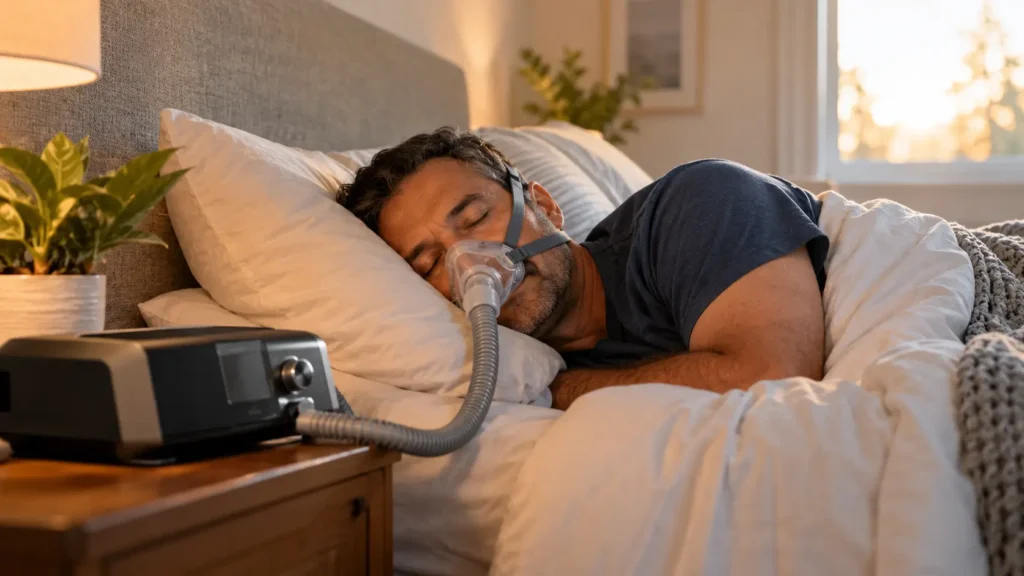
Obstructive sleep apnea can contribute to poor sleep quality and metabolic stress.
During sleep apnea, the upper airway repeatedly narrows or closes. Breathing interruptions may reduce oxygen levels and trigger brief awakenings.
Many people do not remember these awakenings, even when they occur repeatedly throughout the night.
Consequently, sleep apnea can cause persistent fatigue and unrefreshing sleep.
Common warning signs include:
- Loud, frequent snoring
- Gasping or choking during sleep
- Breathing pauses noticed by a partner
- Morning headaches
- Dry mouth after waking
- Excessive daytime sleepiness
- Poor concentration
- High blood pressure
Sleep apnea is also associated with metabolic conditions, including insulin resistance and obesity.
However, it does not necessarily cause weight gain in everyone.
If you struggle with weight management and regularly wake exhausted, especially alongside snoring or breathing pauses, consider discussing sleep apnea screening with a healthcare provider.
Related Reading: What Is Sleep Apnea? Symptoms, Causes and Treatment
Comparison Table: Healthy Sleep vs Poor Sleep for Metabolic Health
| Factor | Consistent, Restorative Sleep | Short or Fragmented Sleep |
|---|---|---|
| Cortisol rhythm | Supports normal daily hormone regulation | May disturb cortisol timing and stress response |
| Morning energy | Better chance of waking refreshed | Fatigue or reduced alertness may occur |
| Appetite | Supports hunger and fullness regulation | Hunger and cravings may increase |
| Insulin response | Supports normal glucose regulation | Insulin sensitivity may decrease |
| Exercise | Better energy for regular activity | Tiredness may reduce exercise consistency |
| Food choices | Easier to maintain planned meals | High-calorie convenience foods may become more appealing |
| Weight management | Supports sustainable healthy routines | May make long-term weight control harder |
| Sleep apnea symptoms | Breathing may remain stable | Snoring, gasping, or breathing interruptions require evaluation |
This table explains common patterns, not guaranteed outcomes. Individual responses vary, and persistent symptoms require appropriate medical assessment.
Signs Poor Sleep May Be Affecting Your Weight Management
Poor sleep, stress, and metabolic difficulties can occur together.
You may benefit from reviewing your sleep habits if you notice:
- Waking tired after adequate sleep
- Feeling alert at night but exhausted in the morning
- Frequent late-night snacking
- Strong sugar cravings
- Afternoon energy crashes
- Difficulty maintaining exercise
- Poor workout recovery
- Excessive caffeine consumption
- Irregular bedtimes
- Persistent daytime tiredness
- Loud snoring
- Morning headaches
- Dry mouth after waking
Weight gain around the waist, high blood pressure, or abnormal blood sugar levels may also warrant a medical review.
However, these signs cannot confirm elevated cortisol, insulin resistance, or sleep apnea.
A healthcare provider can help determine whether sleep problems, medications, endocrine conditions, or other factors are involved.
How to Break the Cortisol Belly Fat Loop
Improving sleep and managing stress can support healthier routines.
Start with practical changes rather than extreme diets or complicated schedules.
1. Maintain a Fixed Wake-Up Time
Try waking at approximately the same time every day, including weekends.
A consistent schedule helps reinforce your body’s natural circadian rhythm.
Most adults should aim for around seven to nine hours of sleep each night.
2. Get Morning Sunlight
Natural morning light helps regulate the sleep-wake cycle.
Open curtains or spend some time outdoors soon after waking.
A short morning walk can also support daily movement and alertness.
3. Reduce Late Caffeine
Tea, coffee, energy drinks, and some pre-workout supplements contain caffeine.
Because caffeine can remain active for several hours, avoid it during the later part of the day if sleep is affected.
For example, try avoiding caffeine after 2–3 p.m. and observe your sleep pattern for two weeks.
4. Reduce Stressful Screen Time
Late-night work messages, social media, and stimulating content can delay sleep.
Try a 30-minute wind-down routine:
- Dim the lights
- Put your phone away
- Avoid stressful conversations
- Read something relaxing
- Practise slow breathing
- Prepare for the following morning
A calmer evening routine may help you fall asleep more consistently.
5. Avoid Heavy Late Dinners
Large meals close to bedtime may increase reflux or sleep discomfort.
When practical, finish heavier meals around two to three hours before bed.
Include protein and fibre to support fullness.
For example, consider dal, vegetables, eggs, curd, paneer, pulses, tofu, fish, or chicken according to your dietary preferences.
6. Move Every Day
Regular physical activity supports metabolic health, mood, and sleep quality.
You can start with:
- Walking
- Cycling
- Yoga
- Swimming
- Strength training
- Home workouts
A manageable daily routine is more sustainable than occasional intense exercise.
7. Track Sleep and Cravings
Monitor your routine for seven to fourteen days.
Record:
- Bedtime
- Wake-up time
- Morning energy
- Snoring
- Caffeine intake
- Dinner timing
- Sugar cravings
- Physical activity
- Nighttime awakenings
This record can help identify habits associated with poor sleep.
8. Check for Sleep Apnea
If you snore loudly, gasp during sleep, wake with headaches, or experience excessive daytime sleepiness, discuss sleep apnea screening with a healthcare professional.
A home sleep apnea test or laboratory sleep study may be recommended depending on your symptoms and medical history.
If sleep apnea is diagnosed, follow the treatment plan prescribed by your healthcare provider.
Do not stop or change CPAP therapy without medical guidance.
When Should You Contact SlumberSense Global?
You can contact SlumberSense Global if:
- You wake tired despite adequate sleep
- You snore loudly
- You experience morning headaches
- You wake with dry mouth
- You feel excessively sleepy during the day
- You suspect obstructive sleep apnea
- You struggle with weight management alongside sleep problems
- You have high blood pressure or diabetes-related concerns
- You need information about sleep testing
- You want help understanding a sleep study report
- You need guidance on CPAP or other sleep therapy options
Get Sleep Health Guidance:
https://slumbersenseglobal.com/contact-us/
Final Takeaway
The cortisol belly fat loop explains how poor sleep, stress, appetite changes, reduced activity, and weight management difficulties may reinforce each other.
Cortisol plays an important role in normal health. However, persistent stress and sleep disruption can affect hormone regulation and everyday habits.
When sleep quality improves, people may find it easier to manage cravings, maintain physical activity, and follow a balanced eating routine.
Nevertheless, improving sleep alone does not guarantee belly fat loss.
If you regularly snore, wake exhausted, or experience excessive daytime sleepiness, do not overlook the possibility of sleep apnea.
A proper sleep evaluation may help identify an underlying problem and guide appropriate treatment.
Frequently Asked Questions
1. Can poor sleep increase cortisol?
Yes. Insufficient or fragmented sleep can alter cortisol regulation. However, cortisol responses vary, and poor sleep does not always mean cortisol levels remain continuously elevated.
2. Does cortisol cause belly fat?
Persistently excessive cortisol, particularly in medical conditions such as Cushing syndrome, can contribute to central weight gain. In everyday life, abdominal fat also depends on diet, physical activity, genetics, age, and other metabolic factors.
3. Why does lack of deep sleep cause cravings?
Poor sleep may affect hunger regulation, food preferences, stress response, and energy levels. Consequently, some people experience stronger cravings for sweet or calorie-dense foods.
4. Can sleep apnea make belly fat harder to lose?
Sleep apnea can reduce sleep quality and daytime energy, potentially making exercise and healthy routines more difficult. However, its effects on weight vary, and treatment alone does not guarantee weight loss.
5. How can I improve sleep and support healthy weight management?
Maintain consistent sleep timing, get morning sunlight, reduce late caffeine, eat balanced meals, exercise regularly, manage stress, and seek sleep apnea assessment when warning signs appear.
6. Should I test cortisol because I have belly fat?
Not routinely. Belly fat alone is not a reason for cortisol testing. If you have rapid unexplained weight gain, easy bruising, wide purple stretch marks, unusual muscle weakness, or other symptoms suggesting an endocrine disorder, consult a healthcare professional.
Medical Disclaimer
This article is for educational purposes only and does not replace professional medical advice, diagnosis, or treatment. If you have unexplained weight changes, persistent fatigue, high blood pressure, diabetes concerns, loud snoring, breathing pauses, or suspected sleep apnea, consult a qualified healthcare provider or sleep specialist.