Quick Answer
Yes, you can have sleep apnea without being overweight. Obstructive sleep apnea occurs when the upper airway repeatedly narrows or closes during sleep, and body weight is only one risk factor. Jaw structure, airway anatomy, age, family history, and other conditions may contribute, even in people with a healthy BMI.
Many people associate sleep apnea with obesity, a large neck, or older men. However, slim adults, women, and younger people can also develop the condition.
If you snore loudly, wake gasping, experience morning headaches, or feel tired despite sleeping enough, do not ignore these symptoms simply because your weight is normal.
Introduction
Imagine maintaining a healthy weight, exercising regularly, and eating balanced meals, yet waking exhausted every morning.
You may wonder why your sleep never feels refreshing.
Because you are not overweight, sleep apnea might be the last condition you suspect.
However, sleep apnea without being overweight is possible, and overlooking this fact may delay diagnosis.
Obesity is an established risk factor for obstructive sleep apnea, but weight alone does not determine whether your airway remains open during sleep.
This article explains why healthy-weight individuals can develop sleep apnea, which symptoms deserve attention, and how sleep testing helps identify the problem.
What Happens During Obstructive Sleep Apnea?
Obstructive sleep apnea, or OSA, is a sleep-related breathing disorder.
During sleep, muscles supporting the tongue, soft palate, and throat relax. In people with OSA, the upper airway may become too narrow or temporarily close.
As a result:
- Airflow decreases or stops.
- Breathing effort continues against the narrowed airway.
- Oxygen levels may fall.
- The brain briefly activates the body to reopen the airway.
- Breathing resumes, sometimes with a gasp or snort.
These events can repeat throughout the night.
Consequently, sleep becomes fragmented, even when the person does not remember waking.
Excess body fat around the neck and upper airway can increase the risk of obstruction. However, anatomical features and other factors can produce similar problems in people who are not overweight.
Why Can You Have Sleep Apnea Without Being Overweight?
Several factors may contribute to obstructive sleep apnea in healthy-weight individuals.
1. A Small or Recessed Lower Jaw
Your jaw helps determine how much space is available behind the tongue.
If the lower jaw is naturally small or positioned farther back, the tongue may sit closer to the throat.
During sleep, muscle relaxation can make this already limited space more vulnerable to narrowing.
This is one reason someone may have obstructive sleep apnea despite a slim body.
However, jaw shape alone does not confirm the condition.
2. Naturally Narrow Upper Airway
Some people have a relatively narrow throat because of their anatomy.
A smaller upper airway may become more likely to collapse when the surrounding muscles relax during sleep.
Factors such as tongue size, soft palate anatomy, and the position of surrounding tissues can also influence airflow.
Therefore, a healthy weight does not always mean the upper airway has enough space during sleep.
3. Enlarged Tonsils or Other Airway Tissues
Large tonsils can reduce the space available for breathing, particularly in children and some younger adults.
Other upper airway tissue characteristics may also contribute.
For example, someone who has always been slim might still experience loud snoring or breathing interruptions because of an anatomical obstruction.
A qualified ENT specialist or sleep physician can evaluate whether upper airway anatomy requires further assessment.
4. Family History and Genetics
Sleep apnea can occur in families.
Inherited characteristics may influence jaw structure, facial anatomy, airway size, and other physiological features linked with sleep-disordered breathing.
Therefore, having a parent or sibling with obstructive sleep apnea may increase suspicion, especially if you have symptoms.
However, family history does not guarantee that you will develop the condition.
5. Age-Related Changes
Sleep apnea risk generally increases with age.
Ageing may influence upper airway muscle function, tissue characteristics, and the body’s ability to maintain airway stability during sleep.
As a result, adults can develop obstructive sleep apnea later in life without becoming overweight.
Persistent snoring or excessive sleepiness should never be dismissed as normal ageing.
6. Nasal Obstruction and Breathing Difficulties
A blocked nose can make nighttime breathing uncomfortable.
Possible causes include:
- Allergic rhinitis
- Chronic nasal congestion
- Nasal polyps
- A deviated nasal septum
- Other structural nasal problems
Nasal obstruction can worsen snoring and affect sleep quality.
However, it does not automatically cause obstructive sleep apnea. People with ongoing breathing concerns may need both nasal and sleep evaluations.
7. Alcohol, Sedatives, and Other Contributing Factors
Alcohol and some sedating medications may affect upper airway muscle activity or breathing during sleep.
In susceptible individuals, this can worsen obstructive breathing events.
Other factors, including sleeping position and underlying medical conditions, may also influence severity.
Do not stop prescribed medication independently. Discuss possible sleep-related effects with your healthcare provider.
Sleep Apnea at a Healthy Weight: Why It Matters in India
For Indian patients, understanding the relationship between body weight and airway anatomy is especially important.
Studies involving Indian adults have identified associations between obstructive sleep apnea and craniofacial characteristics, including jaw relationships and upper airway dimensions.
Research across Asian populations also suggests that craniofacial anatomy can contribute significantly to sleep apnea risk.
This does not mean every Indian person has a higher risk or that facial appearance can diagnose sleep apnea.
Instead, it highlights an important point: BMI alone is not a reliable way to exclude obstructive sleep apnea.
A person who looks fit or slim may still experience repeated breathing interruptions during sleep.
Therefore, symptoms and clinical assessment matter more than appearance alone.
Comparison Table: Sleep Apnea with Normal BMI vs Higher BMI
| Factor | Normal or Healthy BMI | Higher BMI |
|---|---|---|
| Can sleep apnea occur? | Yes | Yes |
| Potential contributing factors | Jaw anatomy, airway size, family history, age, other factors | Excess upper airway tissue, anatomical factors, age, other risks |
| Snoring | May occur | May occur |
| Breathing pauses | Possible | Possible |
| Daytime fatigue | Possible | Possible |
| Can severity be predicted by weight? | No | No |
| Is sleep testing useful? | When symptoms and assessment indicate it | When symptoms and assessment indicate it |
| Treatment | Depends on diagnosis and severity | Depends on diagnosis and severity |
Key takeaway: Body weight can influence sleep apnea risk, but neither a normal nor a high BMI can confirm the diagnosis or determine severity on its own.
Warning Signs of Sleep Apnea in Thin or Fit People
The symptoms of obstructive sleep apnea are generally similar regardless of body weight.
You may experience:
- Loud or frequent snoring
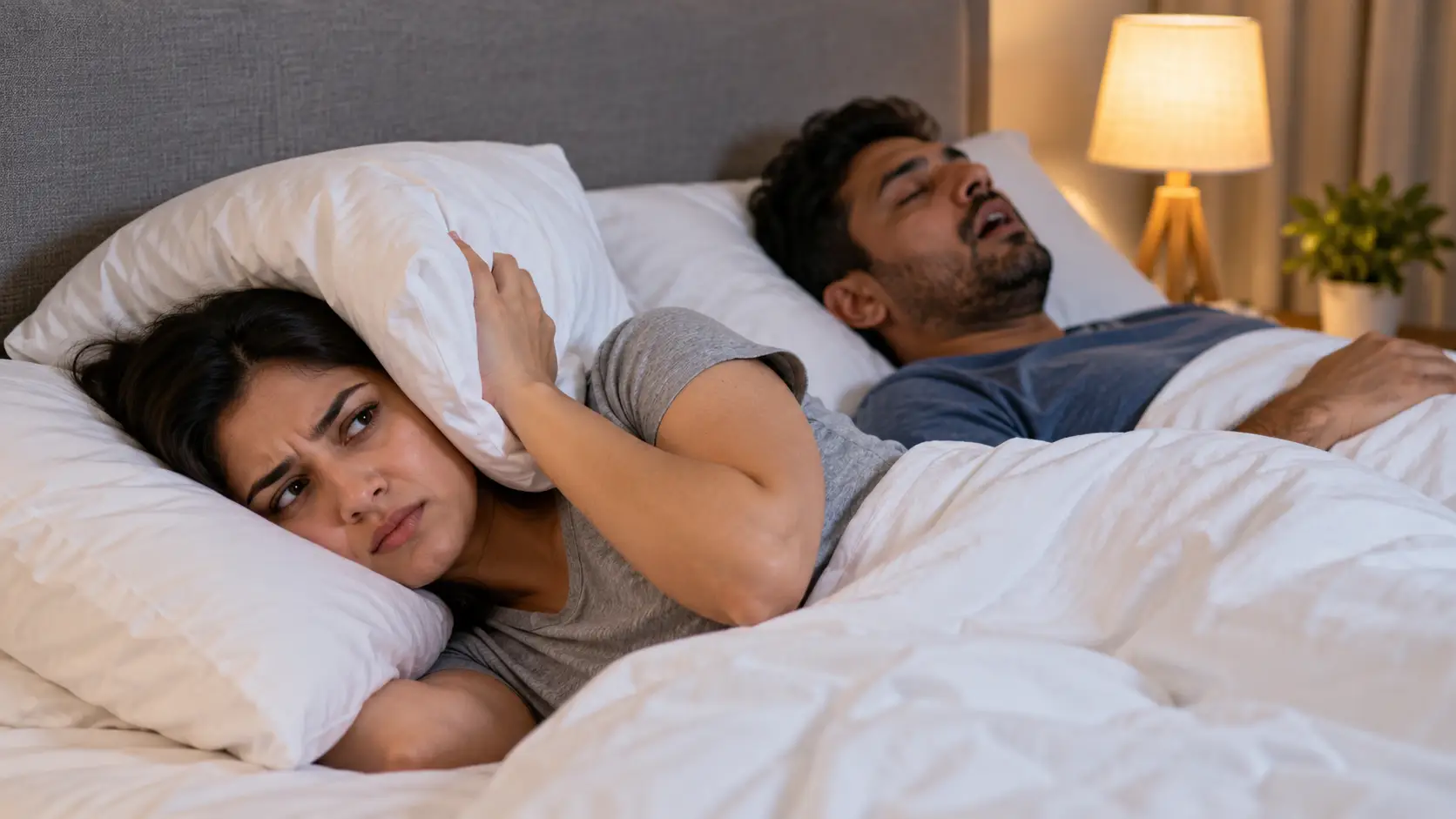
- Breathing pauses noticed by a partner
- Gasping or choking during sleep
- Waking with a dry mouth
- Morning headaches
- Feeling tired after seven or eight hours of sleep
- Excessive daytime sleepiness
- Poor concentration
- Irritability
- Frequent nighttime awakenings
Not everyone experiences all these symptoms.
In particular, some people report fatigue or unrefreshing sleep without recognising loud snoring.
Also, snoring alone does not mean sleep apnea is present.
However, repeated breathing pauses, gasping, and persistent daytime sleepiness are strong reasons to seek medical guidance.
Can You Have Severe Sleep Apnea with a Normal BMI?
Yes.
Although obesity increases the likelihood of obstructive sleep apnea, severity does not depend on BMI alone.
A person with a normal BMI may still experience clinically significant breathing interruptions because of upper airway anatomy or other physiological factors.
Sleep specialists commonly use the Apnea-Hypopnea Index (AHI) to describe severity during a laboratory sleep study.
Typical adult AHI classifications are:
| AHI Score | Sleep Apnea Classification |
|---|---|
| Below 5 events per hour | Below the usual OSA diagnostic threshold |
| 5 to less than 15 | Mild |
| 15 to less than 30 | Moderate |
| 30 or more | Severe |
These categories provide useful information, but treatment decisions also consider symptoms, oxygen levels, medical conditions, and individual circumstances.
Some home sleep tests report a Respiratory Event Index (REI) rather than AHI.
Therefore, a qualified sleep professional should interpret your report rather than relying on weight or a single number.
Is Sleep Apnea Different in Women Who Are Not Overweight?
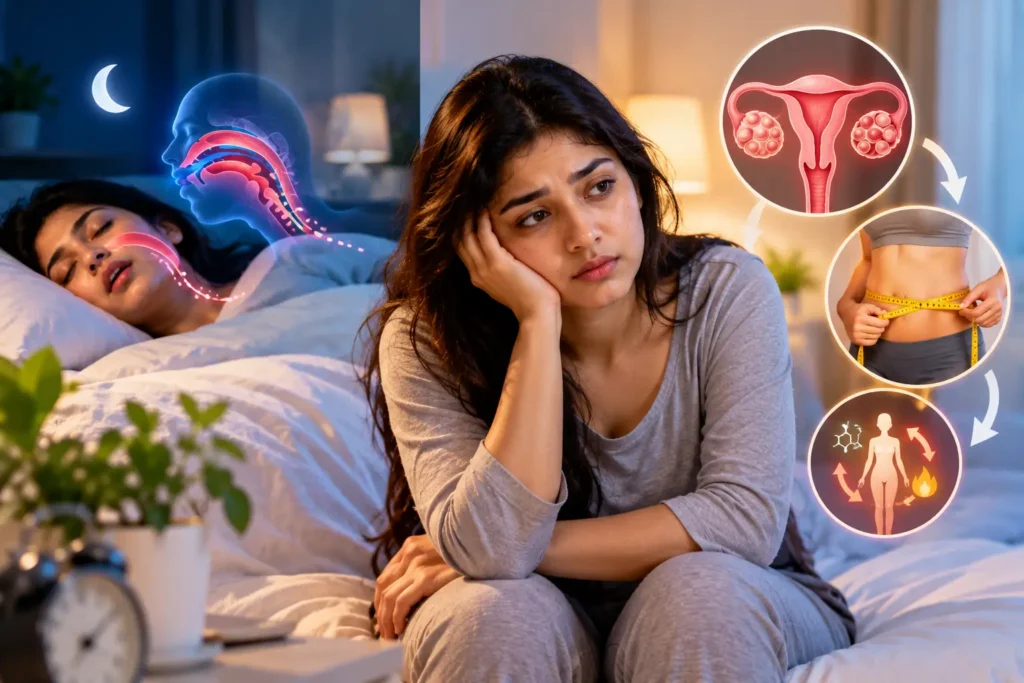
Women can also develop sleep apnea without being overweight, and symptoms may appear differently.
Some women have symptoms that are less immediately recognised as sleep apnea, such as:
- Persistent fatigue
- Unrefreshing sleep
- Insomnia-like complaints
- Morning headaches
- Difficulty concentrating
- Mood changes
Hormonal changes around menopause can also influence sleep apnea risk.
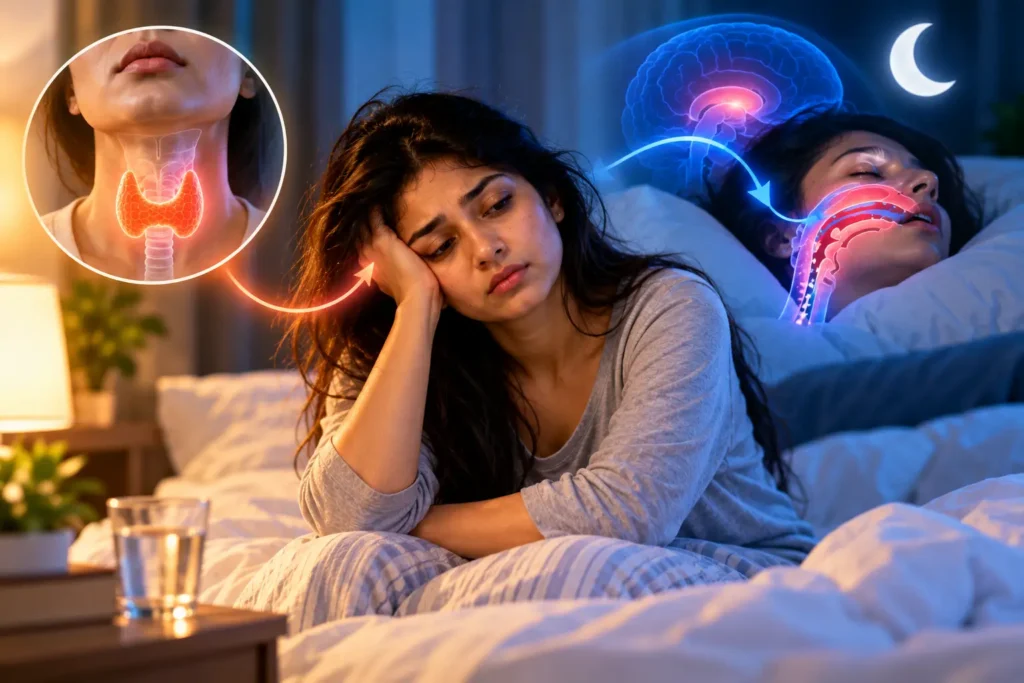
However, symptoms overlap with thyroid disorders, anaemia, depression, insufficient sleep, and other conditions.
Therefore, a healthy-weight woman experiencing persistent fatigue should not automatically assume sleep apnea is the cause, but it may be worth considering during medical evaluation.
How Is Sleep Apnea Diagnosed in People with Normal Weight?
The diagnostic approach focuses on symptoms, medical history, examination, and appropriate sleep testing.
Home Sleep Apnea Test
A home sleep apnea test records selected breathing-related measurements while you sleep at home.
It may be appropriate for uncomplicated adults with symptoms suggesting an increased risk of moderate-to-severe obstructive sleep apnea.
However, it is not suitable for everyone.
In-Laboratory Sleep Study
An attended sleep study, also called polysomnography, monitors breathing, oxygen levels, sleep stages, and other signals.
It may be preferable when symptoms are complex or when other sleep disorders or certain medical conditions are suspected.
If a home sleep apnea test is negative or inconclusive but clinical suspicion remains high, a laboratory study may be recommended.
Remember: A normal BMI does not remove the need for testing when symptoms suggest a sleep-related breathing disorder.
Related Reading: What Is Sleep Apnea? Symptoms, Causes and Treatment
Treatment Options for Sleep Apnea Without Obesity
Treatment depends on the type and severity of sleep apnea, airway anatomy, symptoms, and individual medical needs.
CPAP or Auto CPAP Therapy
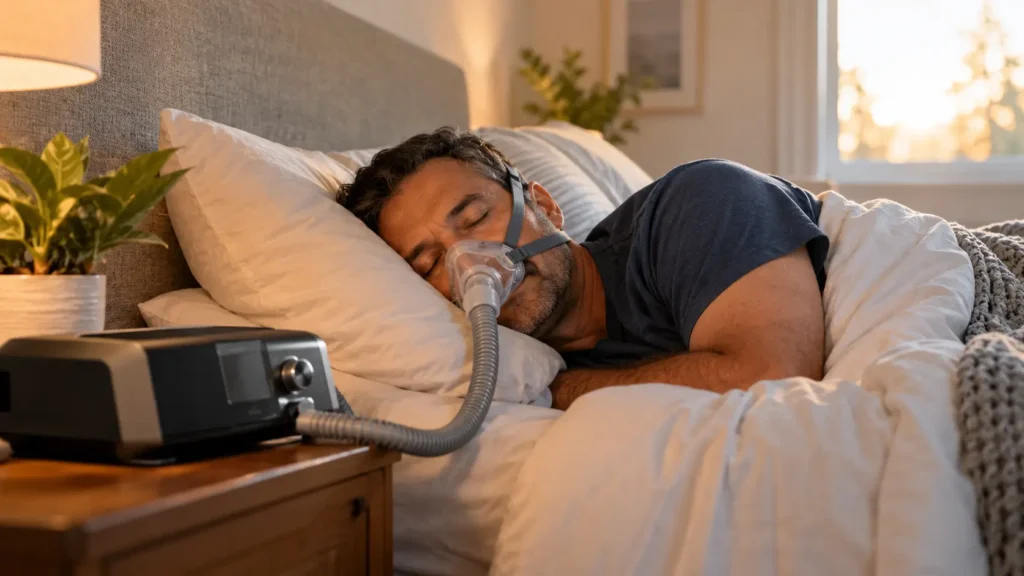
CPAP provides positive air pressure through a mask to help keep the upper airway open during sleep.
It is commonly recommended for moderate-to-severe obstructive sleep apnea and may also be appropriate in other cases.
A person does not need to be overweight to benefit from prescribed CPAP treatment.
Oral Appliance Therapy
A custom-fitted mandibular advancement device may help selected adults by positioning the lower jaw forward during sleep.
Suitability should be assessed by qualified sleep and dental professionals.
Positional Therapy
Some people experience more breathing interruptions when lying on their back.
Positional therapy may be considered when testing shows position-dependent obstructive sleep apnea.
Treatment of Contributing Airway Problems
When significant nasal obstruction or anatomical concerns are present, a specialist may recommend appropriate treatment.
However, correcting nasal blockage alone does not reliably eliminate obstructive sleep apnea in every patient.
Healthy Daily Habits
A regular sleep schedule, physical activity, avoiding excess alcohol, and following medical guidance can support sleep health.
Importantly, weight loss is not the primary treatment goal for someone who is already at an appropriate weight.
Practical Steps If You Suspect Sleep Apnea
If you are slim or physically active but still sleep poorly, focus on identifying symptoms rather than assuming you are protected.
1. Track Your Symptoms
For seven days, record your bedtime, wake-up time, morning energy, headaches, daytime sleepiness, and nighttime awakenings.
2. Ask About Snoring or Breathing Pauses
If you share a bedroom, ask whether your partner has noticed unusual breathing sounds or pauses.
However, remember that the absence of a witness does not rule out sleep apnea.
3. Review Nasal and Airway Concerns
If you regularly have nasal congestion, persistent snoring, or difficulty breathing comfortably at night, discuss these symptoms with a qualified healthcare professional.
4. Avoid Self-Diagnosis Using BMI
BMI is one health measurement, not a sleep apnea diagnostic test.
Do not use a healthy weight as the only reason to dismiss symptoms.
5. Consider Professional Sleep Evaluation
A clinician can determine whether sleep testing is needed based on your symptoms, history, and examination.
This is particularly important if you experience witnessed breathing pauses, gasping, or excessive daytime sleepiness.
6. Follow the Recommended Treatment
If sleep apnea is diagnosed, follow your healthcare provider’s treatment plan.
Do not change CPAP settings, discontinue prescribed treatment, or use an unverified oral device as a substitute for medical care.
When Should You Contact SlumberSense Global?
You can contact SlumberSense Global if:
- You have a healthy weight but snore loudly
- You wake tired despite sleeping enough
- Someone notices your breathing stopping during sleep
- You experience morning headaches or dry mouth
- You feel excessively sleepy during the day
- You suspect sleep apnea despite being physically fit
- You need guidance about sleep testing
- You want help understanding your AHI or REI score
- You need information about CPAP or other therapy options
Get Sleep Apnea Guidance:
https://slumbersenseglobal.com/contact-us/
Frequently Asked Questions
1. Can thin people have sleep apnea?
Yes. Thin people can develop obstructive sleep apnea because of jaw anatomy, upper airway structure, age, family history, and other factors. Obesity increases risk but is not required for diagnosis.
2. What causes sleep apnea in people with normal BMI?
Possible contributing factors include a small or recessed jaw, naturally narrow airway, enlarged tonsils, inherited anatomical features, and age-related changes. A clinical evaluation is needed to determine the relevant factors.
3. Can a physically fit person have severe sleep apnea?
Yes. Physical fitness and normal body weight do not rule out severe obstructive sleep apnea. A sleep study is needed to measure breathing interruptions and assess severity.
4. Can sleep apnea occur without snoring?
Yes. Some people with sleep apnea do not report noticeable snoring. Breathing pauses, gasping, unrefreshing sleep, morning headaches, and excessive daytime sleepiness may still require assessment.
5. Do people with normal BMI need CPAP?
Some do. CPAP may be recommended based on sleep apnea severity, symptoms, and medical history, regardless of BMI. Treatment should follow professional diagnosis and guidance.
6. Should I get a sleep test if I am not overweight?
A sleep test may be appropriate if you experience symptoms such as loud snoring, breathing pauses, gasping, or excessive daytime sleepiness. Your healthcare provider can recommend the most suitable diagnostic approach.
Medical Disclaimer
This article is for educational purposes only and does not replace professional medical advice, diagnosis, or treatment. If you have persistent snoring, breathing pauses, excessive daytime sleepiness, morning headaches, or suspected sleep apnea, consult a qualified healthcare provider or sleep specialist.