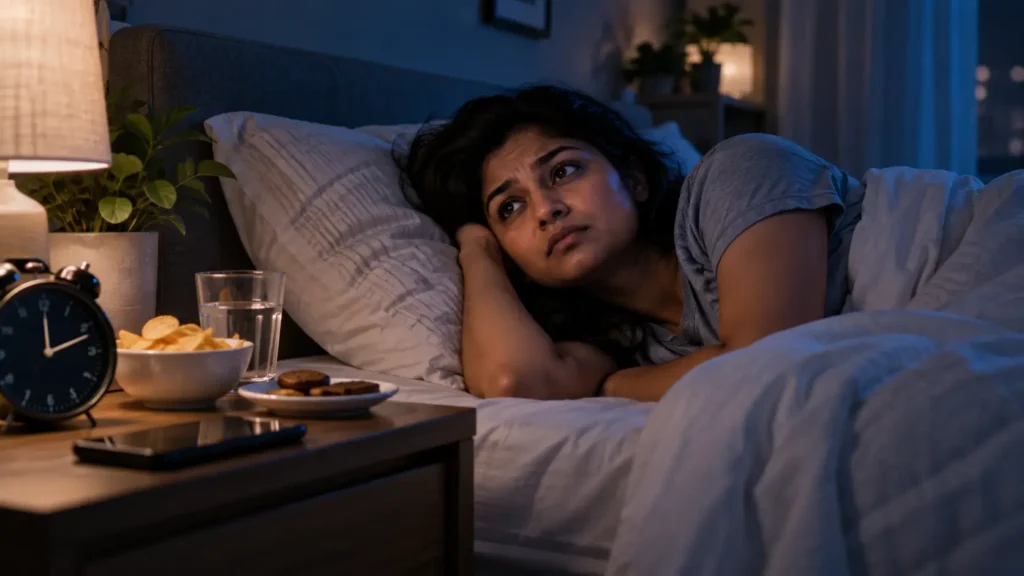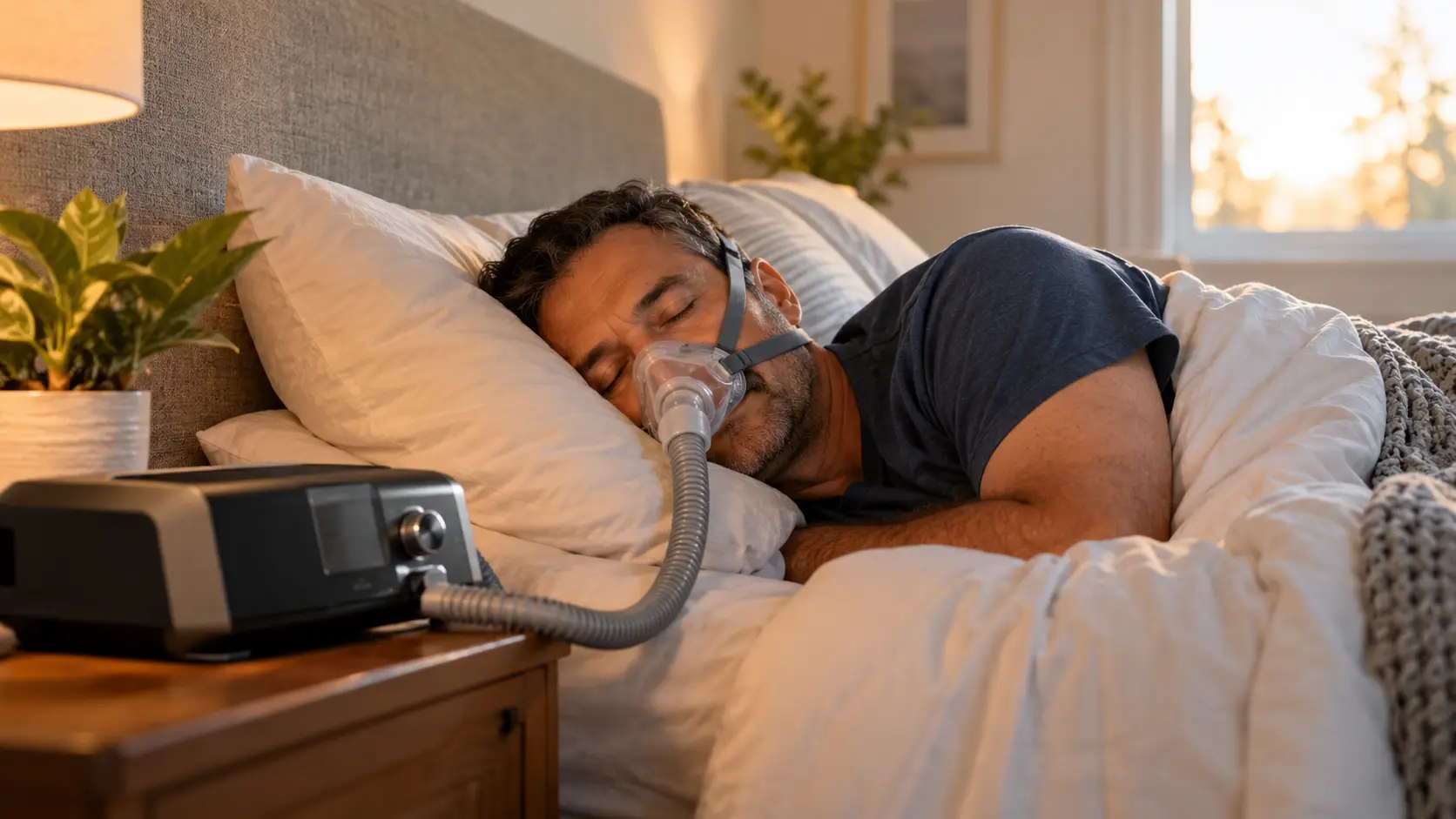
Quick Answer
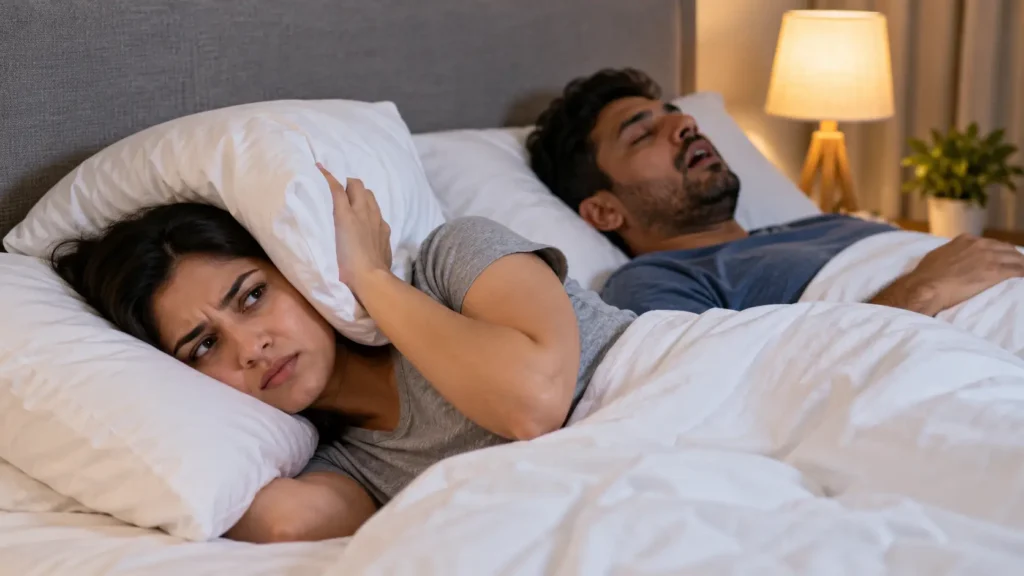
Can you stop using CPAP if you feel better? Usually, no—not without medical reassessment. Feeling more energetic, sleeping better, and snoring less often means CPAP therapy is working. It does not necessarily mean obstructive sleep apnea has disappeared. Stopping treatment may allow breathing interruptions to return.
However, CPAP requirements can change. Significant weight loss, successful airway treatment, or other medical changes may justify a fresh evaluation.
The safest approach is to continue prescribed CPAP therapy until your sleep specialist determines whether treatment can be adjusted, replaced, or discontinued.
Introduction
You have been using CPAP for several months. Your snoring has reduced, mornings feel easier, and daytime sleepiness is finally under control.
Naturally, you may wonder: Do I still need this machine?
It is a common question among people receiving treatment for obstructive sleep apnea (OSA).
Some patients feel that improved symptoms mean they have recovered. Others want a break from the mask, tubing, or daily cleaning routine.
But there is an important difference between controlling sleep apnea and eliminating its underlying cause.
This article explains what happens when you stop CPAP, when reassessment makes sense, and how to discuss treatment changes safely.
Why You Feel Better After Starting CPAP
CPAP stands for Continuous Positive Airway Pressure.
During obstructive sleep apnea, the upper airway repeatedly narrows or collapses while you sleep. These interruptions may lower oxygen levels and disturb sleep.
A CPAP machine delivers pressurised air through a mask to help keep the airway open.
When treatment works effectively, you may notice:
- Reduced snoring
- Fewer breathing interruptions
- More refreshing sleep
- Less daytime sleepiness
- Better concentration
- Fewer morning headaches
- Improved daily energy
These improvements are encouraging.
However, CPAP usually manages airway obstruction while the machine is being used. It does not permanently change the underlying airway anatomy.
Feeling better is evidence that treatment may be helping—not proof that sleep apnea is cured.
What Happens If You Stop Using CPAP?
When CPAP is removed, the airway no longer receives the pressure that helps prevent it from collapsing.
If obstructive sleep apnea is still present, breathing interruptions can return.
Some people notice symptoms almost immediately. Others may not recognise the problem because breathing events happen while they are asleep.
Possible effects include:
- Snoring returns: Airway narrowing may again produce loud or irregular breathing sounds.
- Breathing pauses return: Oxygen reductions and sleep fragmentation may recur.
- Morning tiredness increases: You may wake exhausted despite spending enough time in bed.
- Daytime alertness decreases: Sleepiness and concentration difficulties may return.
- Other health concerns remain: Ongoing untreated sleep apnea can contribute to cardiovascular and metabolic health risks.
Research has shown that sleep-disordered breathing can return rapidly after CPAP withdrawal in people with persistent OSA.
Therefore, stopping CPAP simply to test whether you still need it is not a reliable or recommended self-assessment.
5 Important Facts About Stopping CPAP
1. Better Sleep Does Not Always Mean Sleep Apnea Is Gone
CPAP improves breathing during sleep, which often improves symptoms.
However, a person can feel reasonably well while still experiencing significant breathing interruptions.
Symptoms alone cannot establish whether OSA has resolved.
2. Weight Loss May Change Your Treatment Needs
Weight loss can reduce the severity of obstructive sleep apnea in some people.
If you have experienced substantial, sustained weight loss, your healthcare provider may recommend reassessment.
However, sleep apnea can remain present after weight loss because airway anatomy and other factors also contribute.
Do not discontinue CPAP based on weight or BMI alone.
3. Surgery or Other Treatments Need Follow-Up
Some patients undergo upper airway surgery or switch to an oral appliance or another medically recommended treatment.
These interventions may improve breathing, but their effectiveness should be confirmed through appropriate follow-up.
A replacement treatment should not be assumed successful solely because snoring has decreased.
4. Occasional CPAP Use Is Not Equivalent to Nightly Treatment
Some people use CPAP only when they feel tired or expect a difficult night.
However, obstructive sleep apnea can occur even when you feel well before bedtime.
For prescribed CPAP therapy to provide consistent benefit, it should generally be used whenever you sleep, including naps.
5. Discontinuing CPAP Requires a Medical Decision
If your health or treatment circumstances have changed, your sleep specialist can review your original diagnosis, current symptoms, machine data, and potential need for another sleep study.
In selected cases, a supervised plan may confirm that CPAP is no longer required.
That decision should be based on clinical evidence rather than symptom improvement alone.
Comparison Table: Feeling Better vs Sleep Apnea Actually Improving
| Situation | What It May Mean | Recommended Action |
|---|---|---|
| No snoring while using CPAP | Treatment may be keeping the airway open | Continue prescribed therapy |
| Feeling energetic during the day | Sleep quality may have improved | Maintain treatment and routine follow-up |
| Low residual AHI on CPAP | Breathing events may be controlled while using the machine | Review results with your provider; do not assume OSA has resolved |
| Significant weight loss | Sleep apnea severity may have changed | Discuss reassessment or repeat testing |
| Successful alternative treatment | CPAP requirements may change | Confirm effectiveness through specialist follow-up |
| Symptoms return after missed CPAP nights | Untreated sleep apnea may still be present | Resume the prescribed plan and contact your provider |
| Persistent mask discomfort | Therapy setup may need improvement | Request mask or equipment support |
Key takeaway: A CPAP machine showing good results demonstrates treatment control; it cannot, by itself, confirm that you no longer have sleep apnea without treatment.
When Can a Repeat Sleep Study Be Helpful?
A repeat sleep study is not required simply because you feel better while using CPAP.
However, it may be appropriate when there has been a meaningful change in your condition.
Examples include:
- Significant weight loss or gain
- Treatment with an oral appliance
- Upper airway surgery
- Persistent symptoms despite regular CPAP use
- Major changes in relevant cardiovascular health
- Unexplained changes in CPAP treatment data
Depending on your circumstances, your sleep specialist may recommend a home sleep apnea test or an attended laboratory sleep study.
If testing without CPAP is necessary to reassess untreated sleep apnea, the clinician should specify how it will be conducted safely.
Do not independently stop therapy in preparation for testing.
Can You Stop CPAP After Losing Weight?
Weight loss is one of the most common reasons people ask whether they can discontinue CPAP.
Excess body fat can contribute to narrowing around the upper airway. Losing weight may reduce obstruction in some patients.
However, the improvement varies.
For example, two people may lose a similar amount of weight but have different outcomes because of jaw structure, tongue position, age, and airway anatomy.
Some people experience a reduction in sleep apnea severity without complete resolution.
Others still require CPAP, although treatment settings may need reassessment.
The goal is not simply to reach a particular weight. The goal is to confirm that breathing remains adequately controlled during sleep.
What If You Want to Stop CPAP Because It Is Uncomfortable?
Not every desire to stop CPAP comes from feeling cured.
Some people struggle with the treatment itself.
Common complaints include:
- Mask leaks
- Dry mouth
- Nasal congestion
- Facial marks or irritation
- Air pressure discomfort
- Difficulty sleeping with a mask
- Noise or tubing inconvenience
- Bloating or swallowed air
These concerns deserve attention rather than abandonment of treatment.
A different mask style, improved fit, humidification, or a clinician-guided equipment adjustment may help.
Depending on your diagnosis, alternatives such as a custom oral appliance or positional treatment may also be considered.
However, not every alternative is suitable for every patient, particularly when sleep apnea is severe.
Discuss persistent problems with your sleep healthcare provider before changing therapy.
How to Review Your CPAP Treatment Safely
If you are wondering whether you still need CPAP, follow these practical steps.
Step 1: Continue Your Prescribed Therapy
Keep using CPAP according to your healthcare provider’s instructions until a treatment change has been agreed.
Feeling better alone is not a reason to stop.
Step 2: Review Your Original Sleep Study
Check the severity of your original sleep apnea diagnosis and any associated oxygen reductions.
Understanding your starting point helps guide reassessment.
Step 3: Check Your CPAP Data
Many CPAP machines record information such as:
- Usage hours
- Residual AHI
- Mask leak levels
- Pressure trends
- Treatment consistency
These measurements help assess therapy but do not replace diagnostic testing when it is clinically indicated.
Step 4: Discuss Changes in Your Health
Tell your sleep specialist about significant weight changes, new medications, surgery, or ongoing symptoms.
These factors may affect your treatment requirements.
Step 5: Agree on a Follow-Up Plan
Your clinician may recommend continuing CPAP, adjusting treatment, trying an appropriate alternative, or arranging reassessment.
If discontinuation is considered, follow the clinician’s instructions and monitor for returning symptoms.
When Should You Contact SlumberSense Global?
You can contact SlumberSense Global if:
- You feel better and wonder whether CPAP is still necessary
- You need help understanding your CPAP treatment data
- You have experienced significant weight changes
- Your mask leaks or causes discomfort
- You wake tired despite regular CPAP use
- Your snoring or sleepiness has returned
- You need information about repeat sleep testing
- You want guidance on CPAP masks or therapy options
Get CPAP and Sleep Health Guidance:
https://slumbersenseglobal.com/contact-us/
SlumberSense Global can assist with sleep therapy information and equipment-related guidance. Decisions about changing or stopping prescribed CPAP treatment should be made with your qualified sleep healthcare provider.
Can you stop using CPAP if you feel better? Not simply because symptoms have improved.
CPAP helps control obstructive sleep apnea by maintaining an open airway during sleep. When treatment works, snoring, tiredness, and other symptoms may decrease.
However, these improvements do not necessarily mean the condition has disappeared.
Some patients may eventually need different treatment after significant weight loss, surgery, or other medical changes.
The safest decision comes from professional reassessment—not from how you feel after a few good nights.
Better sleep is the goal. Making sure it remains safe and sustainable is just as important.
Frequently Asked Questions
1. Can you stop using CPAP once you feel better?
Usually, you should continue prescribed CPAP therapy. Improved symptoms often mean treatment is working. A qualified sleep healthcare provider should assess whether CPAP can be reduced, replaced, or stopped.
2. Will sleep apnea return if I stop CPAP?
If obstructive sleep apnea is still present, breathing interruptions may return when CPAP is stopped. This can happen quickly, even before you notice daytime symptoms.
3. Do I need to use CPAP forever?
Not everyone requires the same treatment indefinitely. Requirements may change after significant weight loss or successful alternative treatment, but reassessment is needed before discontinuation.
4. Can I stop CPAP if my AHI is below 5?
Not based on the machine reading alone. A low residual AHI while using CPAP generally indicates that treatment is controlling events. It does not prove your untreated AHI is normal.
5. Should I repeat my sleep study after weight loss?
A repeat sleep study may be appropriate after clinically significant weight loss, particularly if treatment changes are being considered. Your sleep specialist can determine the need and timing.
6. What if I cannot tolerate CPAP anymore?
Contact your sleep therapy provider or prescribing clinician. Mask changes, humidification, equipment adjustments, or appropriate alternative treatments may improve comfort without leaving sleep apnea untreated.
Medical Disclaimer
This article is for educational purposes only and does not replace professional medical advice, diagnosis, or treatment. Do not stop, reduce, or change prescribed CPAP therapy without consulting your qualified healthcare provider or sleep specialist. Untreated obstructive sleep apnea may lead to significant sleep-related and cardiovascular health risks.