Quick Answer
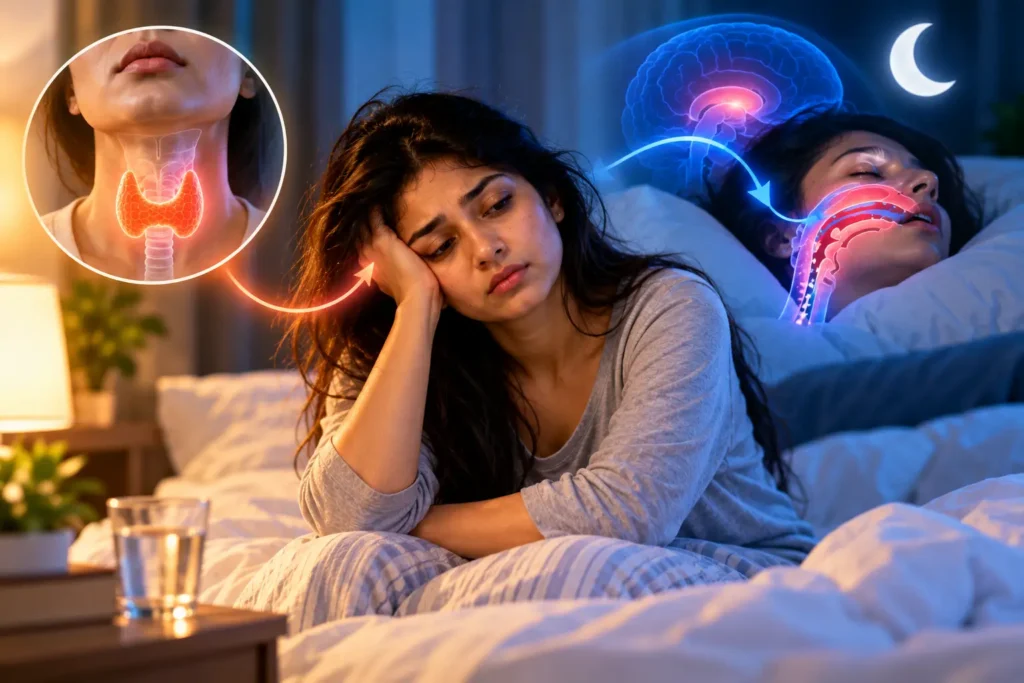
Sleep apnea and frequent night-time urination are connected because repeated breathing interruptions can disturb sleep and influence the body’s overnight urine regulation. This symptom, called nocturia, may cause someone to wake several times to urinate. Sleep apnea is one possible cause, especially when nighttime bathroom visits occur alongside loud snoring or daytime sleepiness.
Many people assume nighttime urination happens only because they drink too much water before bed. However, your breathing during sleep may also play a role.
If you wake two or three times every night to use the bathroom and still feel exhausted in the morning, it may be worth checking both urinary health and sleep quality.
Introduction
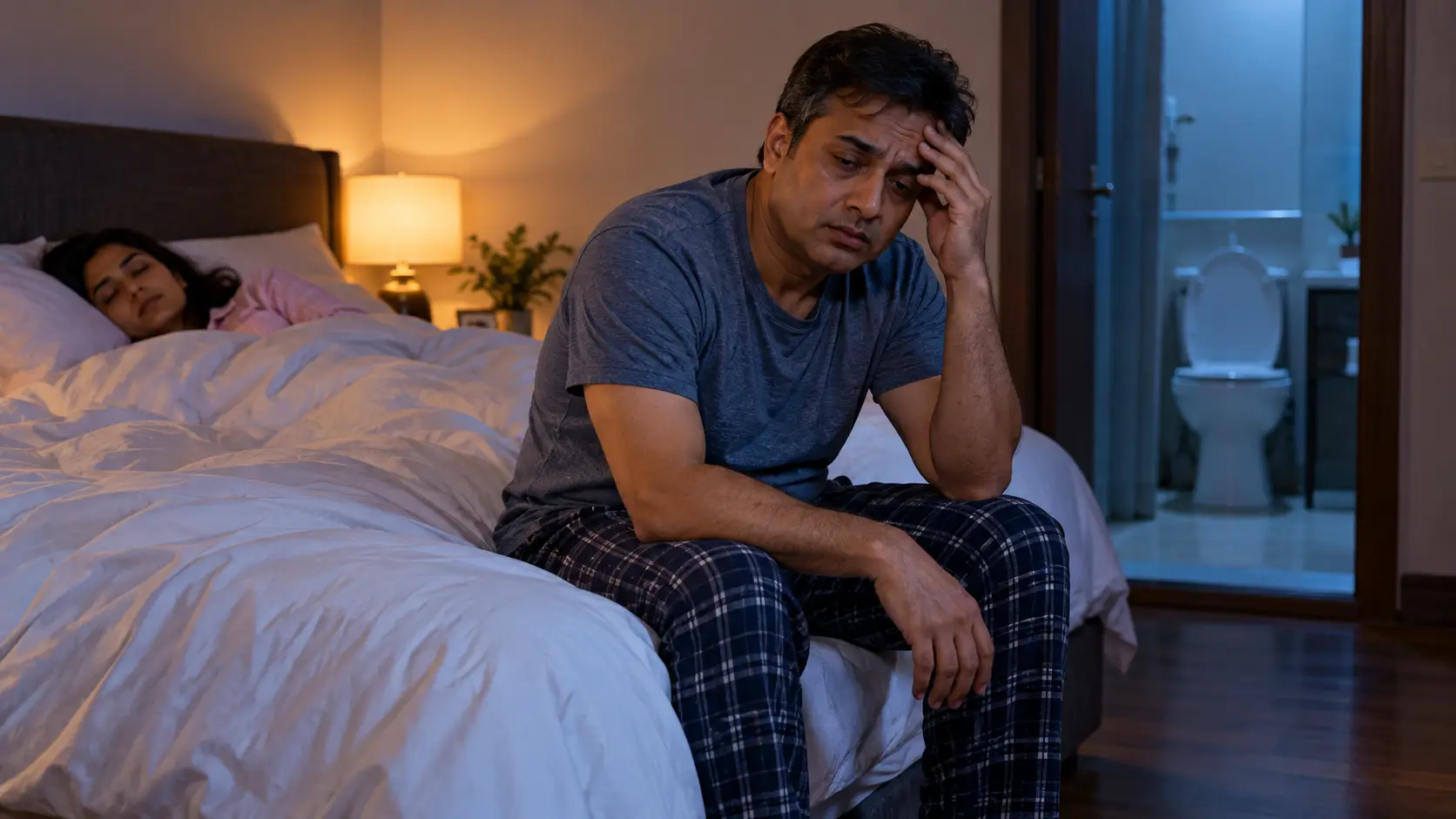
Waking up occasionally to use the bathroom is common. However, frequent trips to the toilet can interrupt sleep, reduce morning freshness, and affect everyday life.
Most people first think about diabetes, ageing, prostate enlargement, urinary infections, or drinking too much water at night.
These are important possibilities. Yet one potential cause often goes unnoticed: obstructive sleep apnea.
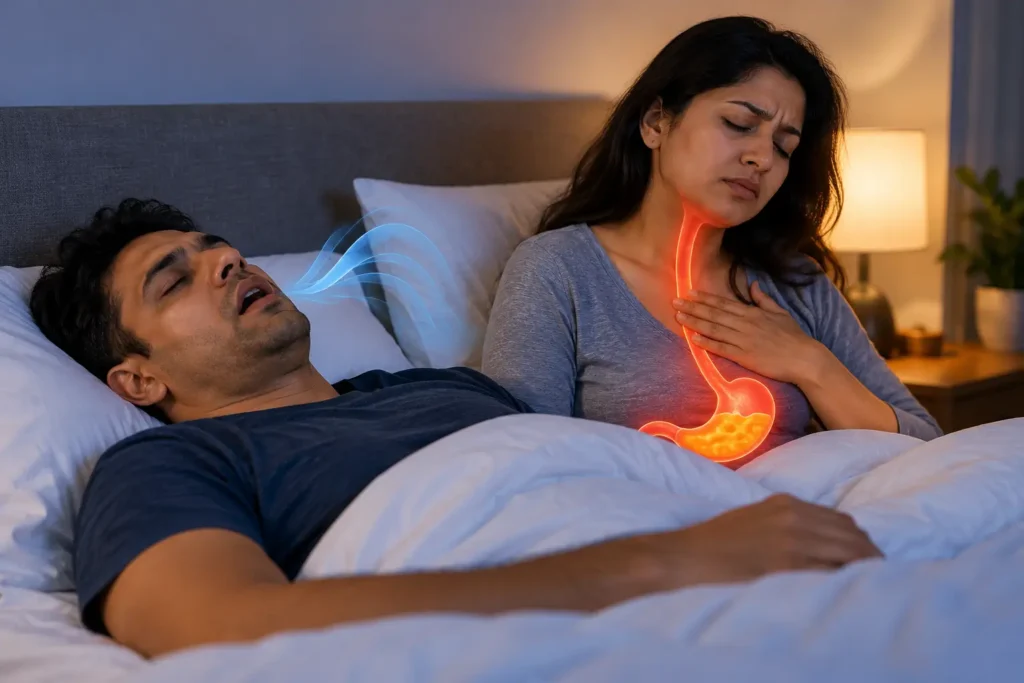
The connection between sleep apnea and frequent night-time urination is particularly relevant for people who snore, gasp during sleep, wake with a dry mouth, or feel excessively sleepy during the day.
Interestingly, the problem may not begin in the bladder at all.
This guide explains why sleep-related breathing problems can contribute to nighttime urination, how to recognise warning signs, and when to seek medical guidance.
What Is Nocturia?
Nocturia is the medical term for waking from sleep to urinate.
It differs from simply using the bathroom before bedtime or immediately after getting up in the morning.
Some people wake once occasionally. Others may need to urinate multiple times every night.
Nocturia becomes particularly concerning when it:
- Happens repeatedly
- Interrupts sleep
- Causes daytime tiredness
- Makes it difficult to fall asleep again
- Occurs alongside snoring or breathing difficulties
- Appears with excessive thirst or urinary symptoms
Nocturia is a symptom rather than a disease. Therefore, understanding the underlying cause is more useful than simply reducing water intake.
How Sleep Apnea and Frequent Urination Are Connected
To understand sleep apnea and frequent night-time urination, it helps to know what happens during obstructive sleep apnea.
When you sleep, muscles around the throat relax. In people with obstructive sleep apnea, the upper airway repeatedly narrows or closes.
Breathing may temporarily stop or become shallow.
Consequently, oxygen levels can decrease, breathing effort increases, and the brain briefly activates the body to reopen the airway.
These events may happen repeatedly without the person remembering them.
Sleep apnea can contribute to nocturia through two important pathways.
1. Changes in Overnight Urine Regulation
During obstructive breathing episodes, pressure changes inside the chest can influence cardiovascular signals involved in fluid balance.
One proposed mechanism involves atrial natriuretic peptide, or ANP, a hormone that helps regulate salt and water excretion.
These changes may encourage the kidneys to produce more urine during the night.
However, research suggests this mechanism does not explain every case. The relationship also involves sleep disruption and other physiological factors.
2. Repeated Sleep Interruptions
Sleep apnea repeatedly fragments sleep.
Sometimes a person wakes because breathing was interrupted and then notices the need to urinate.
In other cases, increased nighttime urine production may contribute to waking.
Therefore, the relationship can work through both sleep disruption and urine regulation.
This explains why someone may have frequent bathroom visits even without drinking unusually large amounts of water before bedtime.
Signs of Sleep Apnea and Frequent Urination
Nighttime urination alone cannot confirm obstructive sleep apnea.
However, suspicion becomes stronger when urinary symptoms appear alongside breathing-related sleep problems.
Watch for these warning signs:
- Loud or frequent snoring
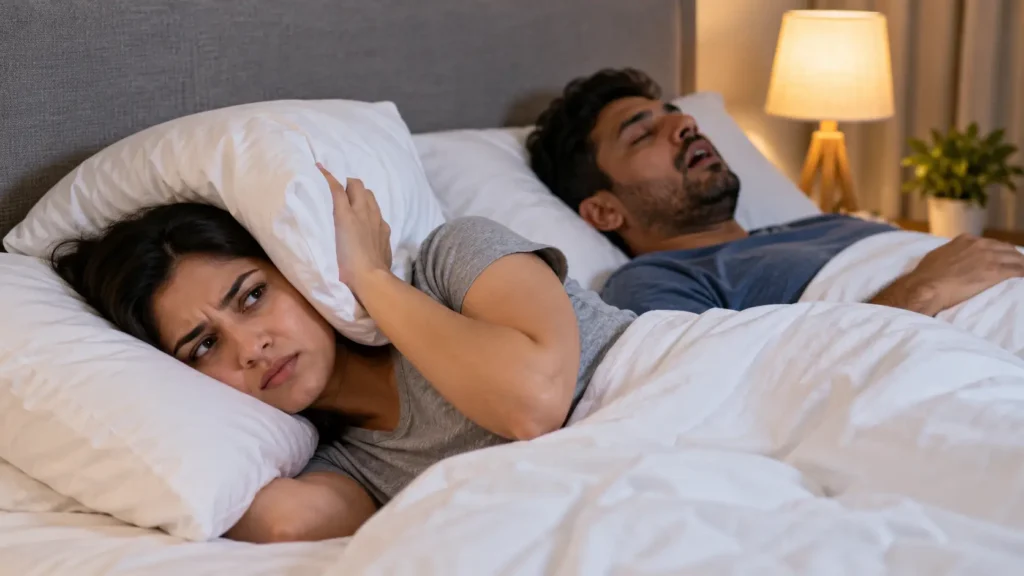
- Breathing pauses noticed by a partner
- Gasping or choking during sleep
- Waking two or more times to urinate
- Morning headaches
- Dry mouth after waking
- Excessive daytime sleepiness
- Waking tired after sufficient sleep
- Difficulty concentrating
- High blood pressure
For example, someone may visit the bathroom three times each night, sleep for eight hours in total, and still wake exhausted.
If their partner also notices loud snoring or breathing pauses, a sleep evaluation may be appropriate.
However, diabetes, urinary tract conditions, and other medical causes should also be considered.
Comparison Table: Sleep Apnea-Related Nocturia vs Other Causes
| Possible Cause | Common Clues | What May Need Checking |
|---|---|---|
| Obstructive sleep apnea | Snoring, breathing pauses, morning headaches, daytime sleepiness | Sleep assessment and possible sleep test |
| Diabetes or high blood sugar | Frequent urination, increased thirst, fatigue | Blood glucose and HbA1c |
| Urinary tract infection | Burning, pain, urgency, fever, cloudy urine | Urine examination and medical evaluation |
| Enlarged prostate | Weak urine stream, incomplete emptying, urgency | Prostate and urinary assessment |
| Overactive bladder | Sudden urgency, frequent small-volume urination | Bladder evaluation |
| Excess evening fluids | Bathroom visits after heavy drinking close to bedtime | Fluid timing and intake pattern |
| Diuretic medication | Increased urination related to medication timing | Prescription and dosing review |
| Heart or kidney conditions | Leg swelling, breathlessness, changes in urine production | Medical examination and relevant tests |
Important: Several causes can occur together. For example, someone with diabetes may also have obstructive sleep apnea.
The comparison helps identify possible explanations, but it does not replace diagnosis.
Does Sleep Apnea Make You Produce More Urine at Night?
In some people, yes.
Ordinarily, the body regulates urine production throughout the day and night.
Many people produce less urine during sleep, allowing several hours of uninterrupted rest.
However, obstructive sleep apnea can disturb mechanisms involved in nighttime fluid regulation.
Consequently, some patients experience nocturnal polyuria, meaning an unusually large proportion of daily urine is produced overnight.
This is different from an overactive bladder, where frequent urination may happen because the bladder cannot comfortably store as much urine.
A clinician may recommend a bladder diary to distinguish these patterns.
For example, recording the timing and approximate amount of each bathroom visit over three days can provide useful information.
Sleep Apnea and Frequent Urination in Women
Yes, it can be.
Sleep apnea is often associated with loud snoring in men, but women can develop obstructive sleep apnea too.
Some women experience less obvious symptoms, such as:
- Unrefreshing sleep
- Morning headaches
- Daytime fatigue
- Difficulty concentrating
- Insomnia-like symptoms
- Frequent nighttime waking
- Nighttime urination
However, women may also experience nocturia because of menopause-related changes, pelvic floor conditions, overactive bladder, diabetes, or other health concerns.
Therefore, women with persistent nocturia should not assume that the problem is only related to ageing or bladder health.
A broader assessment may be useful, particularly when sleep apnea symptoms are also present.
Can CPAP Therapy Reduce Night-Time Urination?
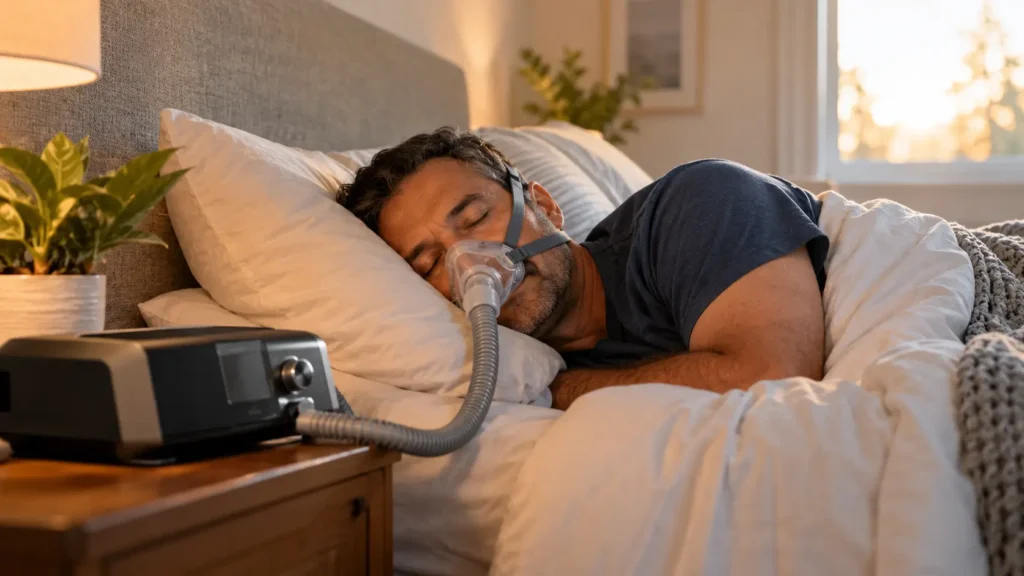
CPAP, or Continuous Positive Airway Pressure, is a common treatment for obstructive sleep apnea.
It provides pressurised air through a mask to help prevent the upper airway from collapsing during sleep.
By reducing breathing interruptions, CPAP may improve sleep continuity and reduce some of the physiological disturbances associated with sleep apnea.
Studies suggest that CPAP treatment can reduce the frequency of nighttime urination in some patients with obstructive sleep apnea.
However, results vary.
If nocturia is caused by diabetes, urinary infection, prostate enlargement, bladder problems, or another condition, CPAP alone may not resolve it.
Do not start, stop, or adjust CPAP therapy without appropriate professional guidance.
The first step is identifying whether sleep apnea is present and whether it contributes to the urinary symptoms.
When Should You Consider a Sleep Test?
A sleep test may be appropriate when frequent nighttime urination occurs alongside symptoms suggesting obstructive sleep apnea.
Consider seeking professional evaluation if you:
- Wake repeatedly to urinate
- Snore loudly most nights
- Gasp or choke during sleep
- Experience breathing pauses
- Wake with morning headaches
- Feel excessively sleepy during the day
- Have high blood pressure with poor sleep
- Remain tired despite adequate sleep duration
A sleep study can help identify breathing interruptions, oxygen reductions, and the severity of sleep apnea.
Depending on your medical history, a clinician may recommend a home sleep apnea test or an attended laboratory sleep study.
Related Reading: What Is Sleep Apnea? Symptoms, Causes and Treatment
Practical Steps to Manage Sleep Apnea and Frequent Urination
Improving nighttime bathroom symptoms starts with understanding what triggers them.
These practical measures may help while you arrange appropriate medical evaluation.
1. Track Your Bathroom Visits
For three days, record:
- Your bedtime
- How often you wake to urinate
- Approximate urine amounts, if practical
- Evening fluid intake
- Tea or coffee consumption
- Snoring or breathing concerns
- Morning energy
A bladder diary can help your healthcare provider identify patterns.
2. Review Evening Fluid Timing
Drinking a large amount of water immediately before bed may increase nighttime urination.
Try spreading fluid intake throughout the day and avoiding unnecessarily large drinks close to bedtime.
However, do not severely restrict fluids or deliberately become dehydrated.
People with heart, kidney, or other medical conditions should follow their clinician’s fluid recommendations.
3. Reduce Late Caffeine
Tea, coffee, cola, and energy drinks may increase urinary urgency in some people and interfere with sleep.
If nighttime urination or poor sleep is a concern, consider reducing caffeine during the afternoon and evening.
4. Check for Diabetes Symptoms
Frequent urination accompanied by unusual thirst, unexplained weight loss, or persistent fatigue may suggest high blood sugar.
A doctor may recommend blood glucose or HbA1c testing.
Do not assume these symptoms are caused by sleep apnea.
5. Review Your Medications
Certain medicines, particularly diuretics or water tablets, can increase urine production.
If nighttime urination begins after a medication change, speak with your prescribing doctor.
Do not change medication timing or dosage yourself.
6. Improve Your Sleep Routine
Keep a regular bedtime and wake-up time.
Maintain a comfortable bedroom and reduce stimulating screen use before sleep.
These measures support sleep quality, but they do not treat obstructive sleep apnea directly.
7. Seek Help for Persistent Symptoms
If frequent urination continues despite reasonable lifestyle changes, medical assessment is important.
Urinary tract infections, prostate problems, bladder conditions, and metabolic disorders may require specific treatment.
Similarly, nighttime urination with loud snoring or breathing pauses should prompt consideration of sleep apnea.
When Night-Time Urination Needs Prompt Medical Attention
Some symptoms should not be managed through sleep advice alone.
Seek timely medical assessment if nighttime urination occurs with:
- Burning or pain while urinating
- Blood in the urine
- Fever or pain in the back or side
- Severe or unusual thirst
- Difficulty passing urine
- New or worsening leg swelling
- Persistent unexplained fatigue
Seek urgent care if you cannot urinate despite a painful, full bladder, or if urinary symptoms occur with severe breathlessness, chest pain, or confusion.
These warning signs may indicate conditions requiring immediate attention.
When Should You Contact SlumberSense Global?
SlumberSense Global can help you explore the sleep-related side of nighttime urination.
Consider contacting us if:
- You wake several times to use the bathroom
- You also snore loudly
- Your partner notices breathing pauses
- You wake with headaches or dry mouth
- You feel sleepy during the day
- Your sleep never feels refreshing
- You suspect obstructive sleep apnea
- You need information about sleep testing
- You want help understanding a sleep study report
- You need guidance on CPAP therapy options
Get Sleep Apnea Guidance:
https://slumbersenseglobal.com/contact-us/
Frequently Asked Questions
1. Can sleep apnea cause frequent urination at night?
Yes. Obstructive sleep apnea can contribute to nighttime urination by disturbing sleep and influencing mechanisms that regulate urine production. However, other urinary and medical causes should also be considered.
2. Why do I wake up two or three times to pee every night?
Possible causes include excess evening fluids, diabetes, overactive bladder, prostate enlargement, medication effects, or sleep apnea. Repeated episodes, especially with other symptoms, should be medically evaluated.
3. Can CPAP reduce nighttime bathroom visits?
Yes, in some people with obstructive sleep apnea. CPAP treatment may reduce nocturia by improving breathing and sleep continuity. However, improvement depends on the underlying causes.
4. Is nighttime urination always caused by diabetes?
No. Diabetes is one possible cause, but nocturia can also occur with sleep apnea, urinary conditions, medications, excess fluid intake, heart conditions, and other health problems.
5. Can women experience sleep apnea-related nocturia?
Yes. Women with obstructive sleep apnea may experience nighttime urination alongside fatigue, unrefreshing sleep, snoring, or morning headaches. However, menopause-related and urinary conditions should also be considered.
6. Should I get a sleep test if I wake up to urinate?
Not everyone needs a sleep test. However, if frequent nighttime urination occurs with loud snoring, breathing pauses, gasping, or excessive daytime sleepiness, discuss sleep apnea assessment with a qualified healthcare professional.
Medical Disclaimer
This article is for educational purposes only and does not replace professional medical advice, diagnosis, or treatment. Frequent nighttime urination can have urinary, metabolic, cardiovascular, or sleep-related causes, so persistent symptoms should be assessed by a qualified healthcare provider.