Quick Answer
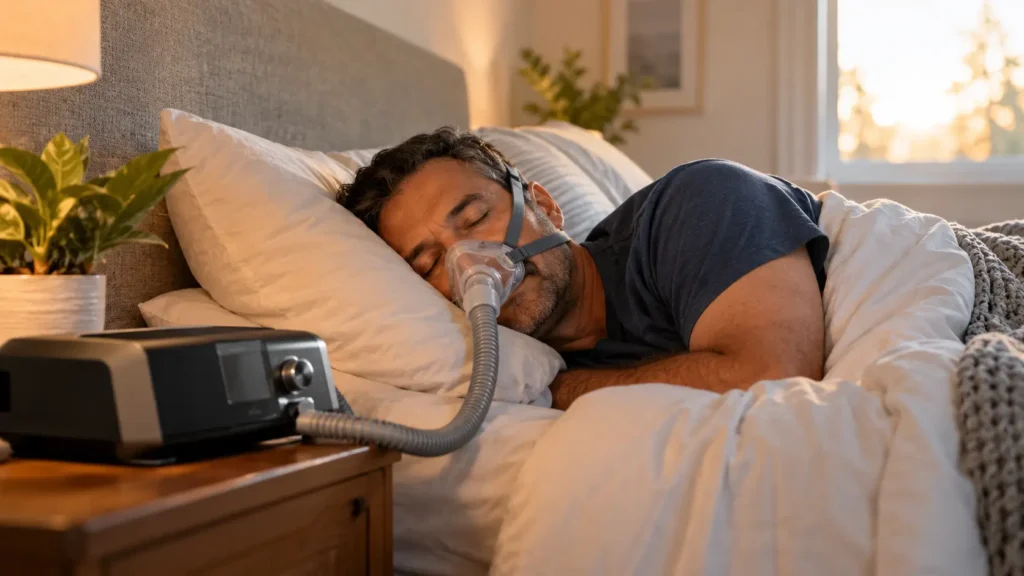
An auto CPAP machine, also called APAP, automatically adjusts air pressure during sleep within a prescribed range. It may be useful when pressure needs change during the night because of sleep position, REM sleep, nasal blockage, or varying breathing patterns. Mayo Clinic notes that APAP devices vary pressure to address apneas as people shift positions and pass through different sleep stages.
What Is an Auto CPAP Machine?
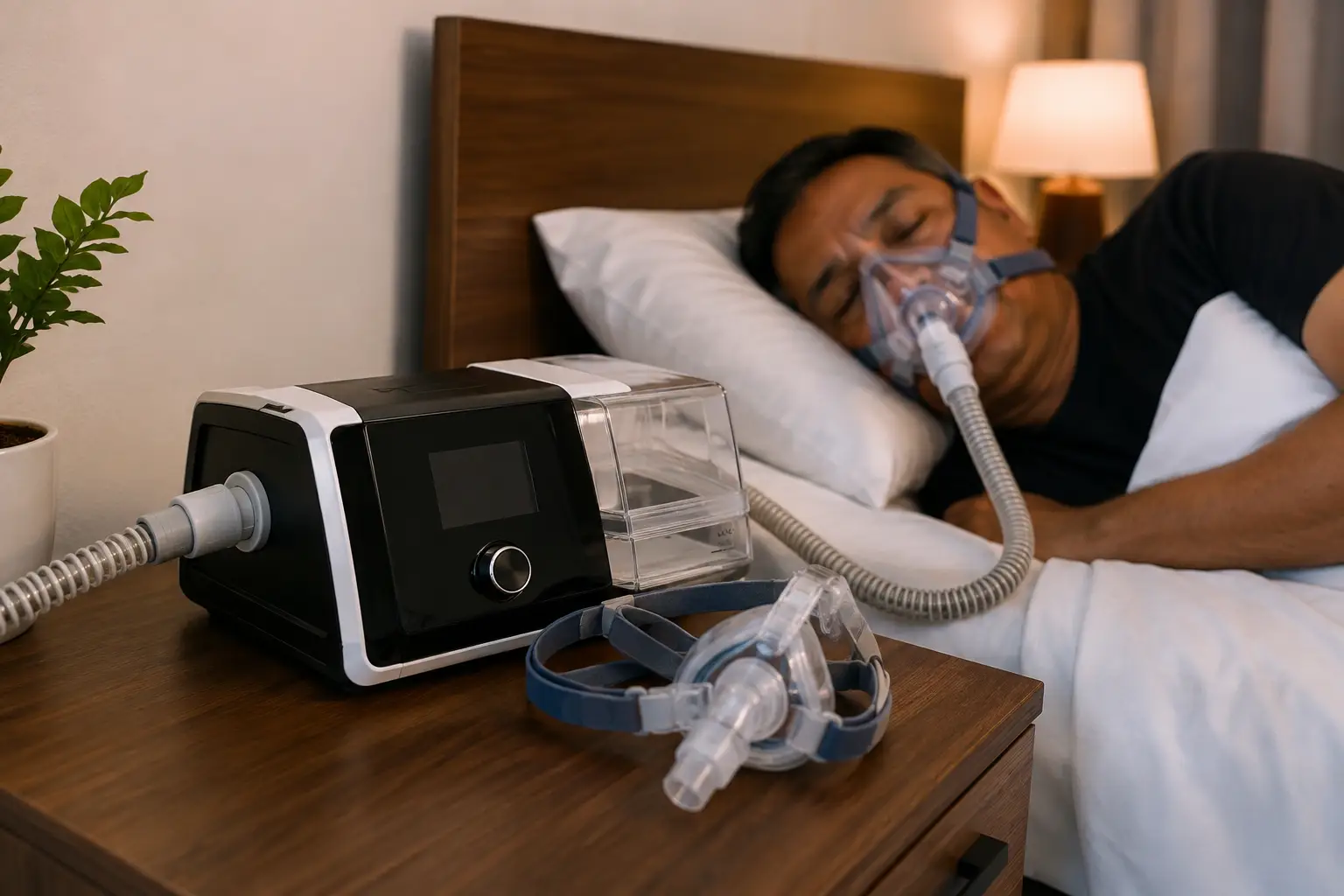
An auto CPAP machine provides positive airway pressure to help keep the airway open during sleep. Unlike fixed CPAP, which gives one set pressure, auto CPAP adjusts pressure within a range based on breathing needs.
It should be used only after proper diagnosis and professional recommendation.
Auto CPAP vs Fixed CPAP
| Feature | Fixed CPAP | Auto CPAP |
| Pressure | One fixed pressure | Adjusts within range |
| Flexibility | Less flexible | More adaptive |
| Best for | Stable pressure needs | Varying pressure needs |
| Setup | Prescribed setting | Prescribed min-max range |
| Monitoring | Depends on model | Usually includes data |
Features That Matter
1. Pressure Range
Check whether the machine supports the pressure range prescribed by your healthcare provider. Do not choose or change pressure settings yourself.
2. Humidifier
A humidifier can help reduce dryness in the nose or mouth. This is useful for many Indian users, especially in dry weather, AC rooms, or during seasonal congestion.
3. Ramp Feature
Ramp starts with lower pressure and gradually increases. This can help beginners fall asleep more comfortably.
4. Data Tracking
Good machines may track:
- Usage hours
- Mask leak
- AHI estimate
- Pressure changes
- Therapy consistency
This helps in follow-up and troubleshooting.
5. Mask Compatibility
Make sure the machine works with your preferred mask type:
- Nasal mask
- Nasal pillow mask
- Full face mask
- Hybrid mask
Mask compatibility and fit are just as important as the machine.
6. Noise Level
A quiet machine helps both the user and partner sleep better. Ask about machine noise before buying.
7. Portability
Consider size and travel needs. If you travel often within India, a compact machine may be more convenient.
8. Warranty and Service
In India, warranty, local support, replacement parts, mask availability, filters, tubing, and service access matter.
Before buying, ask:
- Is warranty available in India?
- Are filters and tubing easily available?
- Is service support local?
- Can I get mask fitting help?
- Is training included?
9. Ease of Cleaning
Choose a setup that is easy to clean and maintain. Regular cleaning helps reduce discomfort and hygiene issues.
10. Professional Guidance
Do not buy only based on online price. Sleep apnea therapy needs correct diagnosis, mask fit, pressure settings, follow-up, and support.
Who May Benefit From Auto CPAP?
Auto CPAP may be considered for people whose pressure needs change during sleep. However, suitability depends on medical guidance.
It may be discussed when:
- Pressure needs vary
- Home testing was used
- Comfort is a concern
- Sleep position affects breathing
- Follow-up data is needed
Mayo Clinic notes APAP can be helpful when ideal fixed CPAP pressure is difficult to identify, such as during home sleep testing.
Buying Checklist
Before buying an auto CPAP machine, check:
- Doctor recommendation
- Pressure range
- Humidifier
- Ramp feature
- Data reporting
- Mask compatibility
- Warranty
- Local support
- Replacement parts
- Training and setup support
FAQs
1. What is an auto CPAP machine?
It is a PAP device that automatically adjusts pressure within a prescribed range during sleep.
2. Is auto CPAP better than fixed CPAP?
Not always. It depends on your diagnosis, pressure needs, comfort, and provider’s advice.
3. Can I buy auto CPAP without a sleep test?
You should not self-treat. A sleep test and healthcare provider guidance are important.
4. What features matter most?
Pressure range, humidifier, ramp, data tracking, mask compatibility, warranty, and support.
Medical Disclaimer
This article is educational and does not replace medical advice. CPAP/APAP machines should be used under guidance from a qualified healthcare provider after proper diagnosis.