Quick Answer
Using a CPAP machine is simple:
- Wear your mask properly
- Turn the machine on
- Adjust the fit for comfort
- Sleep normally while the machine maintains airflow
Introduction
Starting CPAP therapy for the first time can feel overwhelming. Wearing a mask to sleep and adjusting to a machine might seem uncomfortable at first — but with the right approach, it quickly becomes part of your nightly routine.
A CPAP machine is one of the most effective treatments for sleep apnea. When used correctly, it can dramatically improve your sleep quality, energy levels, and overall health.
This guide will help you understand exactly how to use a CPAP machine properly and comfortably.
New here? Start with:
What is Sleep Apnea → /sleep-apnea/what-is-sleep-apnea/

Step-by-Step Guide to Using a CPAP Machine
1. Set Up Your Machine
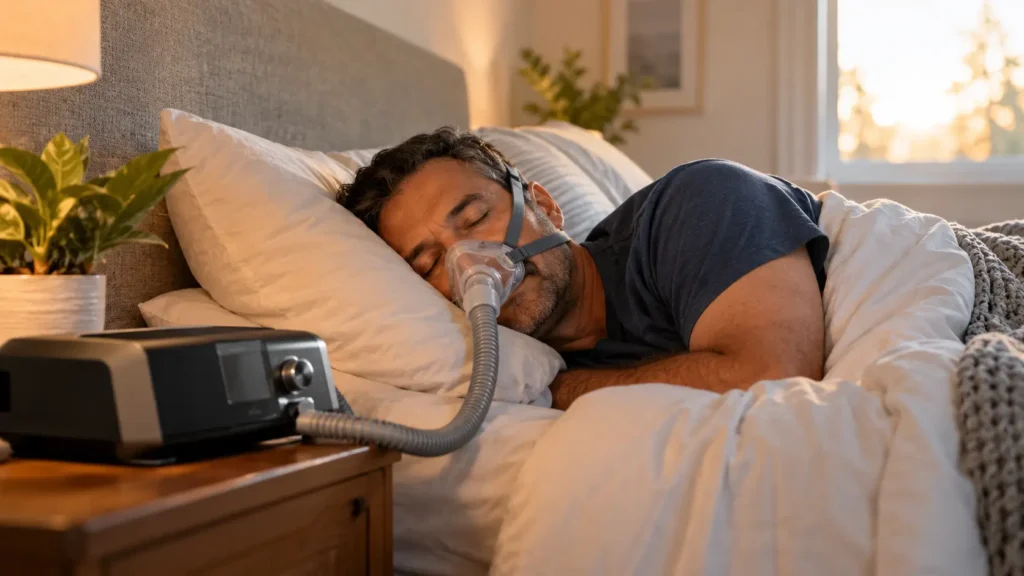
Place your CPAP machine on a flat surface near your bed. Ensure it is clean and properly connected to the power source.
2. Attach the Mask
Connect the mask to the tubing and ensure everything is securely fitted. Choose a mask type (nasal, full-face, etc.) that suits your comfort.
Learn more:
Types of CPAP Masks Explained → /cpap/types-of-cpap-masks/
3. Wear the Mask Properly
Put on the mask and adjust the straps so it fits snugly — not too tight, not too loose.
A proper fit prevents air leaks and improves comfort.
4. Turn On the Machine
Switch on the CPAP machine. Some machines have a “ramp” feature that starts with low pressure and gradually increases for comfort.
5. Adjust for Comfort
Lie down in your sleeping position and make final adjustments to the mask if needed.
6. Sleep Normally
Once everything is set, relax and sleep as usual. The machine will continuously keep your airway open throughout the night.
Beginner Tips for CPAP Users
Starting CPAP therapy becomes easier with these tips:
- Start slowly: Use the machine for short periods before sleeping fully with it
- Use a humidifier: Prevents dryness in your nose and throat
- Ensure proper mask fit: Avoid discomfort and air leakage
- Practice during the day: Wear the mask for a few minutes to get used to it
Common Mistakes to Avoid
❌ Wearing the mask too tightly
❌ Skipping regular cleaning
❌ Ignoring discomfort or leaks
❌ Not using the machine consistently
Consistency is key to seeing results.
How Long Does It Take to Get Used to CPAP?
Most users adapt within 1–2 weeks.
At first, it may feel unusual, but with regular use, it becomes a natural part of your sleep routine.
Benefits of Using CPAP Correctly
- Better sleep quality
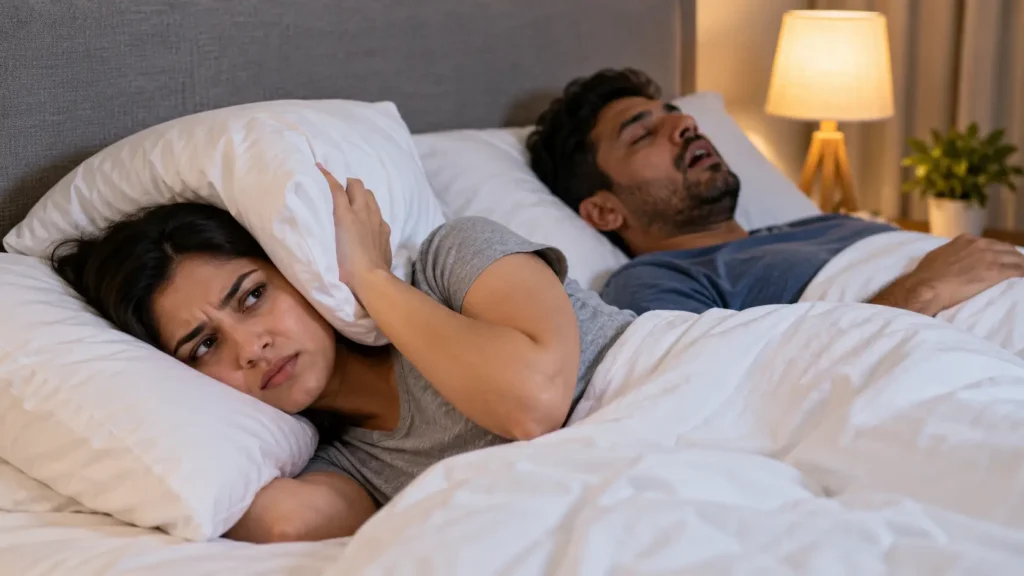
- Reduced snoring
- Improved daytime energy
- Lower risk of heart-related issues
Related:
Best CPAP Machines in India → /cpap-machines/best-cpap-machine-india/
Troubleshooting Common CPAP Problems
If you’re facing issues, here are quick fixes:
- Dry nose or throat → Use a humidifier
- Air leaks → Adjust mask fit or try a different mask
- Discomfort → Use ramp feature or check pressure settings
Detailed guide:
CPAP Side Effects (And How to Fix Them) → /cpap/cpap-side-effects/
Internal Resources
- CPAP Side Effects → /cpap/cpap-side-effects/
- Best CPAP Machines in India → /cpap-machines/best-cpap-machine-india/
- CPAP vs BiPAP → /cpap/cpap-vs-bipap/
Frequently Asked Questions (FAQs)
Ideally, you should use it for the entire duration of your sleep (6–8 hours).
It’s not recommended. Skipping therapy can bring back symptoms quickly.
Minor discomfort is common initially. Adjust the mask or settings, and consult your provider if needed.
Yes, many portable CPAP machines are available for travel use.
Final Thoughts
Using a CPAP machine correctly is essential to get the full benefits of sleep apnea treatment.
While the first few nights may require adjustment, consistency and proper usage will lead to better sleep and improved health.
Starting CPAP therapy?
Follow this guide and take control of your sleep for better health and energy every day.