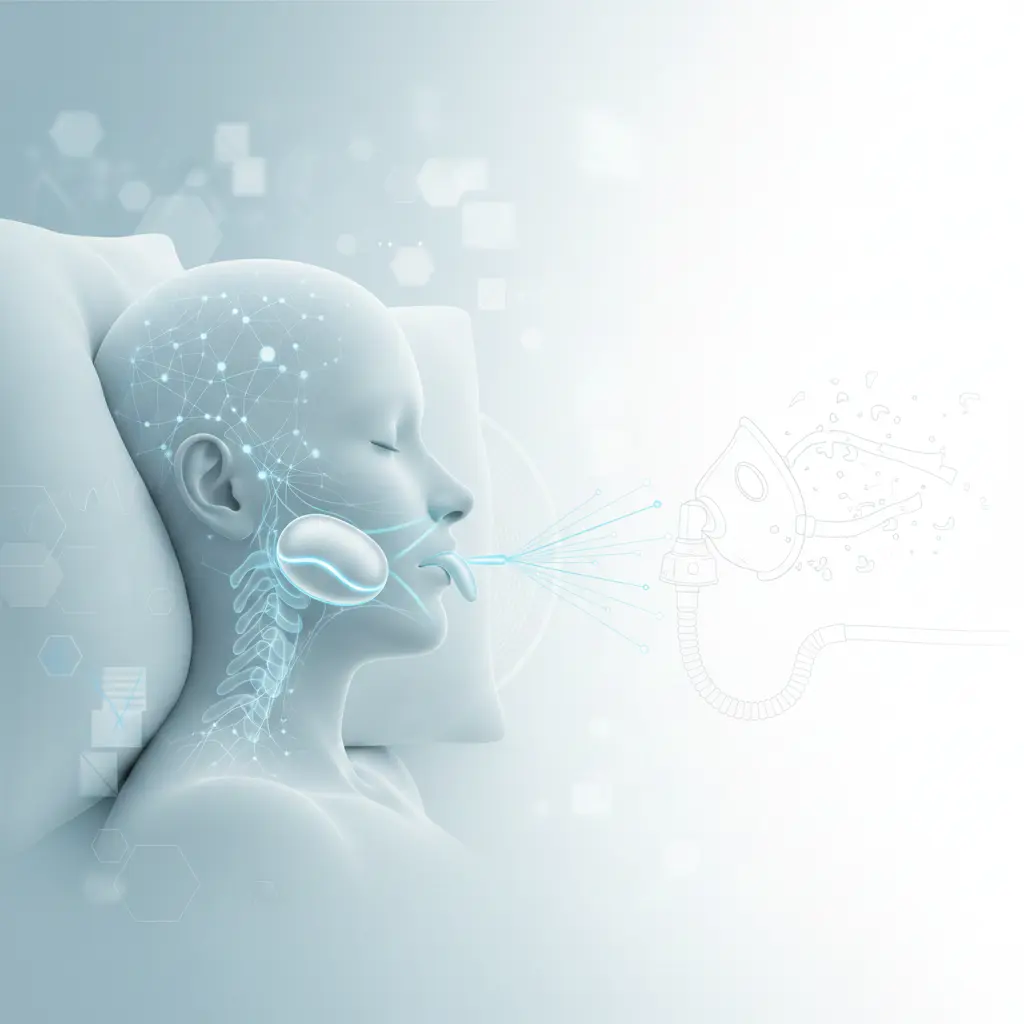
Continuous Positive Airway Pressure (CPAP) remains the most effective treatment for obstructive sleep apnea (OSA). However, many patients struggle with mask discomfort, pressure intolerance, or sleep disruption. Hypoglossal Nerve Stimulation (HNS) is an FDA-approved alternative for appropriately selected adults.
What Is Hypoglossal Nerve Stimulation?
HNS is a small, implantable device that works similarly to a pacemaker. It detects breathing patterns and provides gentle stimulation to the hypoglossal nerve—the nerve responsible for tongue movement—helping maintain airway openness during sleep.
Clinically demonstrated benefits:
• Significant reductions in AHI
• Improved daytime alertness
• Higher long-term adherence compared to CPAP
• Enhanced quality of life in multiple clinical cohorts
Ideal Candidate Profile
HNS is typically recommended for adults who:
• Have moderate to severe OSA (AHI 15–65)
• Cannot tolerate CPAP
• Have BMI within the device’s approved range
• Show no concentric airway collapse (confirmed through endoscopy)
Considerations and Limitations
HNS requires outpatient surgery and periodic device adjustments. It may not be suitable for all anatomical or weight profiles. Device batteries typically last 10–11 years before replacement is needed.
Conclusion
Hypoglossal nerve stimulation is a well-studied, evidence-backed treatment pathway for carefully selected patients. It does not replace CPAP but provides an alternative for those unable to adhere to standard therapies.
References
1. Johns Hopkins Medicine. Overview of Hypoglossal Nerve Stimulation.
2. Mayo Clinic. “Upper Airway Stimulation Therapy.”
3. PubMed Meta-Analysis on HNS outcomes.
Medical Disclaimer
This content is informational and not a substitute for professional medical advice. Always consult a qualified clinician for personalized recommendations.