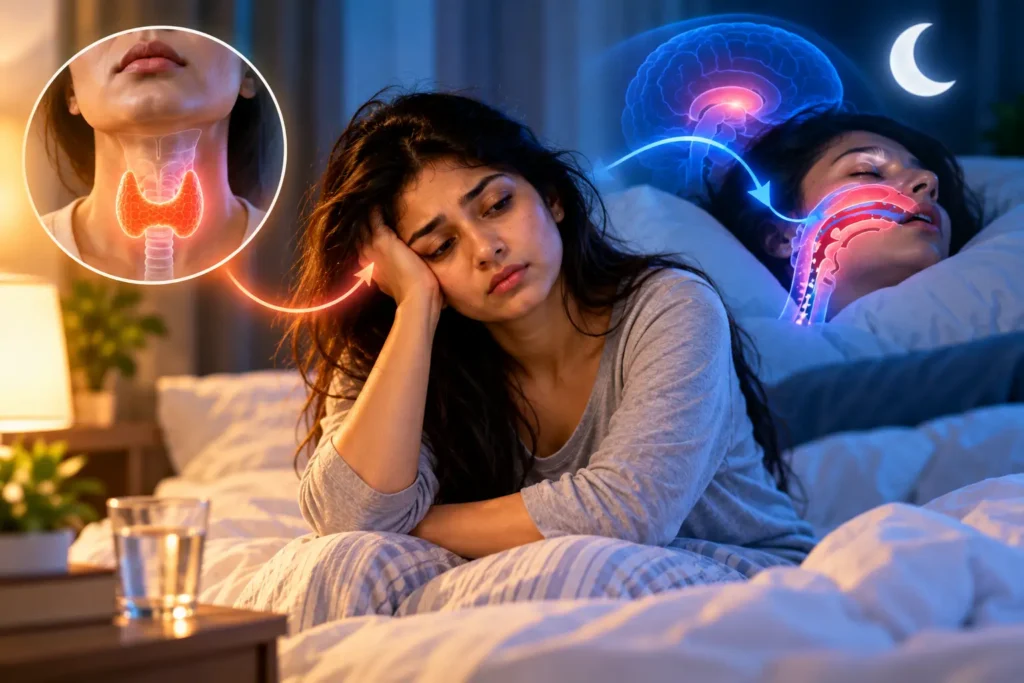
Living with sleep apnea doesn’t have to mean endless fatigue or sleepless nights. With the right treatment and small daily adjustments, you can lead a full, active, and energized life.
💬 “Sleep apnea is a lifelong condition, but it doesn’t have to control your life. The goal is better sleep, not perfect sleep.”
— Dr. Sophia Miles, Sleep Medicine Specialist
Let’s explore expert-approved ways to manage sleep apnea and feel your best every day.
1. Adapting to CPAP Therapy
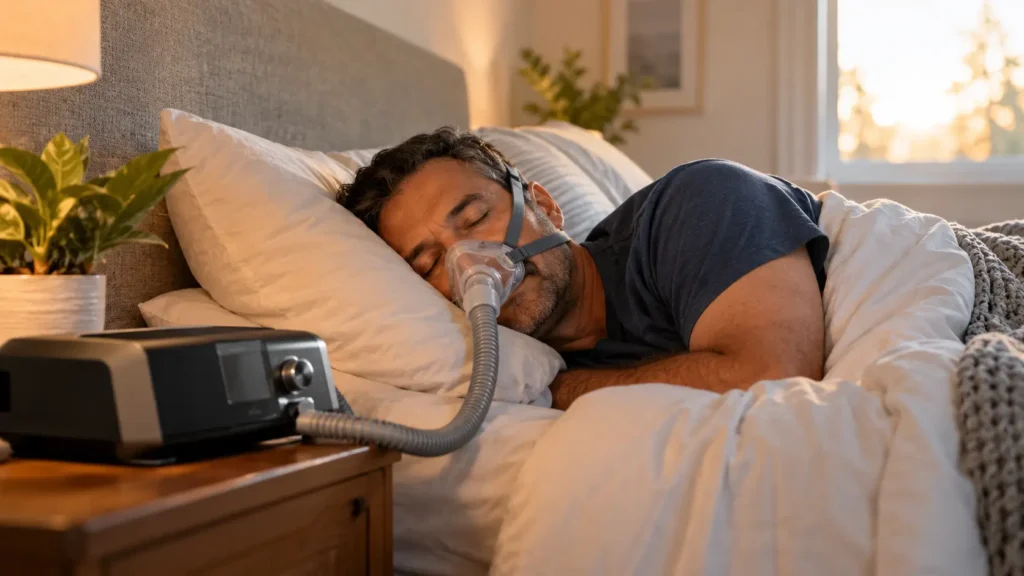
For many, Continuous Positive Airway Pressure (CPAP) is the most effective treatment. However, it can take time to get used to.
Tips from experts:
- Start by wearing the mask during short naps.
- Ensure a proper mask fit — it should be snug but not tight.
- Clean your mask and tubing weekly to prevent irritation.
💬 “Patients who give themselves 10–14 days to adjust to CPAP often report dramatic improvement in energy and focus.”
— Dr. Meera Patel, Pulmonologist
2. Building Healthy Sleep Habits
Lifestyle changes can make your treatment even more effective.
- Go to bed and wake up at the same time daily.
- Avoid caffeine or alcohol 3–4 hours before sleep.
- Keep your room cool, quiet, and dark.
Small steps create consistency — and consistency is key for quality sleep.
3. Managing Emotional and Mental Well-being
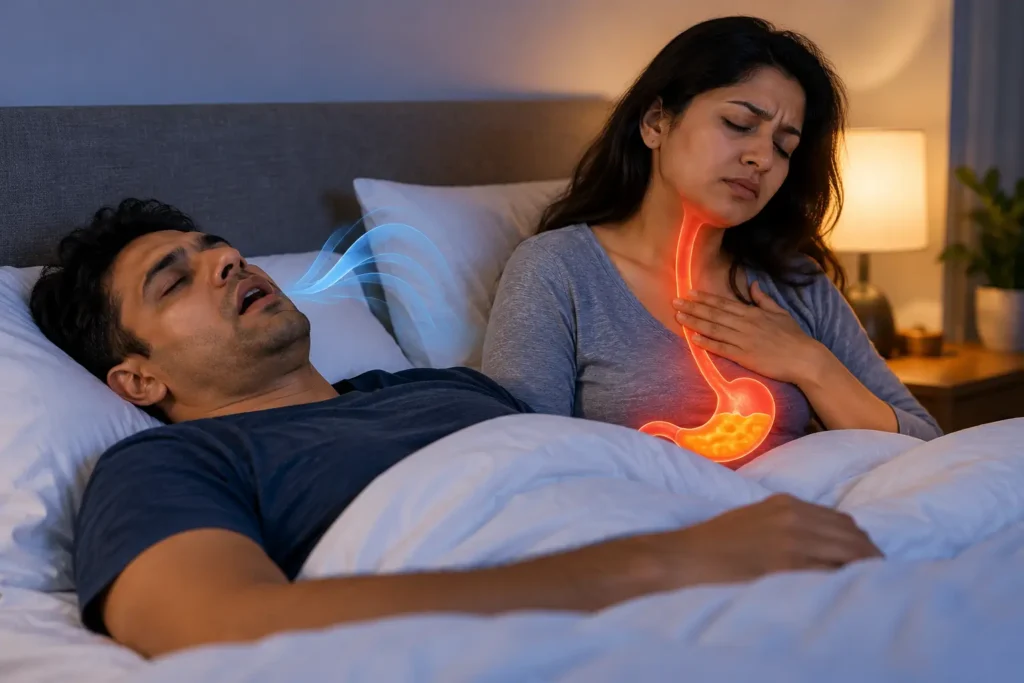
Sleep apnea often leads to mood swings, anxiety, or brain fog. You’re not alone — these are common effects of oxygen disruption.
Try:
- Breathing exercises before bed
- Mindfulness or short evening walks
- Joining online support communities for people with sleep apnea
💬 “Emotional recovery is just as important as physical recovery when treating sleep apnea.”
— Dr. Rakesh Sharma, Clinical Psychologist
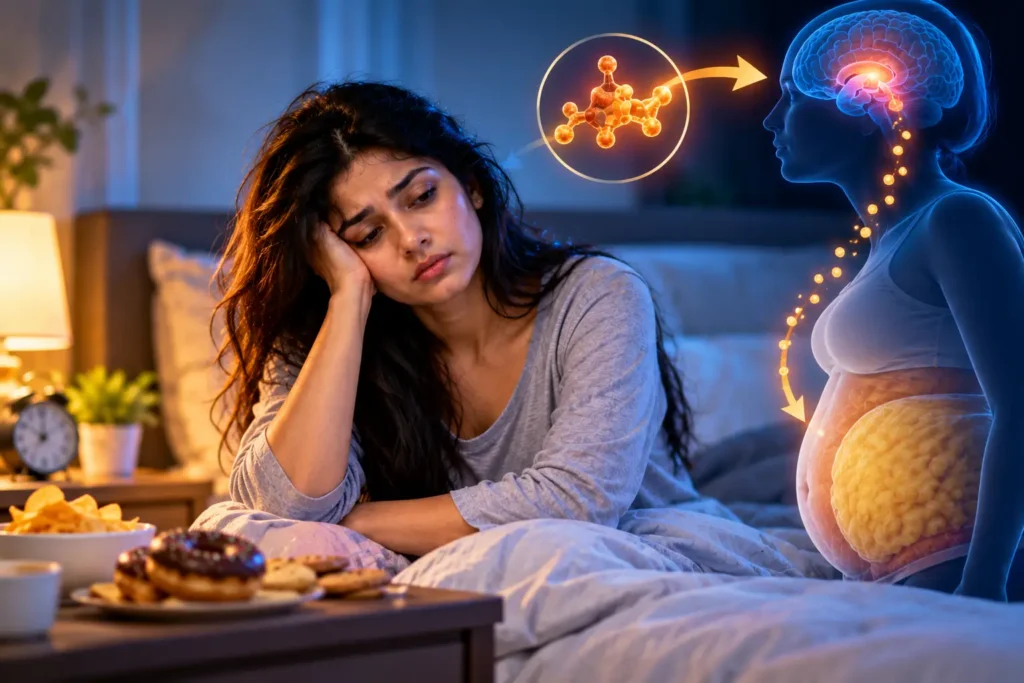
4. Nutrition for Better Sleep
A balanced diet supports breathing and metabolism.
- Eat lighter dinners (avoid heavy or fried foods before bed).
- Include magnesium-rich foods (like bananas, spinach, and nuts).
- Stay hydrated, but limit fluids an hour before bed.
5. Partner Support and Communication
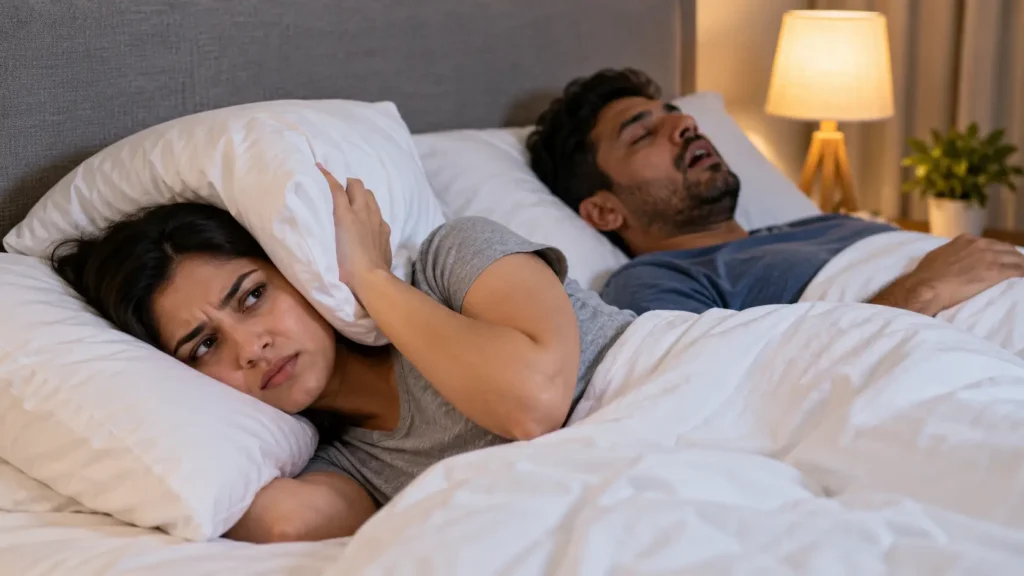
Sleep apnea doesn’t just affect one person — it affects relationships. Discuss your treatment openly. Many partners find reassurance knowing there’s a clear diagnosis and solution.
💬 “Treating sleep apnea is often a shared victory — couples sleep better, communicate better, and live better.”
— Dr. Lisa Grant, Sleep Therapist
Conclusion
Living with sleep apnea takes patience and teamwork — between you, your doctor, and your loved ones. With ongoing care and positive routines, restful nights and energetic mornings are absolutely possible.