Quick Answer
If you are waking up tired after sleep, it may mean you are spending enough hours in bed, but your sleep quality is poor. Common reasons include stress, irregular sleep timing, poor sleep habits, screen use, alcohol, nasal blockage, medical conditions, loud snoring, or sleep apnea.
One important warning sign is this: if you sleep for 7–8 hours but still wake up tired, especially with loud snoring, gasping, choking, morning headaches, dry mouth, or daytime sleepiness, sleep apnea may be one possible cause.
Book sleep test enquiry:
https://slumbersenseglobal.com/sleep-test/
Introduction
Many people believe that sleeping for 7 or 8 hours should automatically make them feel fresh in the morning. But sometimes, even after a full night in bed, you may wake up feeling tired, heavy, foggy, or unrefreshed.
This usually means the issue is not only how long you sleep, but how well you sleep.
You may be asleep for enough hours, but your body may not be getting deep, restful, uninterrupted sleep. In some cases, breathing problems during sleep, such as snoring or sleep apnea, may repeatedly disturb your sleep without you realizing it.
This article explains the common causes of waking up tired after sleep, the warning signs to watch for, and when to consider a sleep test enquiry.
What Does Waking Up Tired After Sleep Mean?
Waking up tired after sleep means you do not feel restored, alert, or refreshed even after spending enough time in bed.
You may wake up with:
- Heavy eyes
- Low energy
- Brain fog
- Body heaviness
- Morning headache
- Dry mouth
- Irritability
- Poor motivation
- Sleepiness soon after waking
This can happen occasionally after stress, travel, illness, or a late night. But if it happens regularly, it should not be ignored.
Consistently waking up tired can affect work, mood, relationships, driving safety, productivity, and overall health.
Sleep Quantity vs Sleep Quality
Many people focus only on sleep duration. But sleep quality is equally important.
Sleep quantity means how many hours you sleep.
Sleep quality means how restful, deep, and uninterrupted your sleep is.
You may sleep for 8 hours, but if your sleep is repeatedly disturbed, your body may not complete healthy sleep cycles properly. This can leave you tired the next day.
Poor sleep quality can happen due to:
- Frequent awakenings
- Restless sleep
- Snoring
- Breathing pauses
- Gasping or choking
- Stress
- Pain
- Noise
- Alcohol
- Screen use
- Irregular sleep schedule
- Medical conditions
This is why someone can sleep all night but still feel exhausted in the morning.
Common Reasons You Wake Up Tired After Sleep
1. Poor Sleep Quality
Poor sleep quality is one of the most common reasons for waking up tired. You may not remember waking up during the night, but your body may still experience small sleep interruptions.
Signs of poor sleep quality include:
- Waking up tired most mornings
- Tossing and turning at night
- Feeling like your sleep was light
- Waking up several times
- Daytime sleepiness
- Needing caffeine to function
- Poor focus or slow thinking
Poor sleep quality can be caused by stress, lifestyle habits, sleep disorders, or medical conditions.
2. Sleep Apnea
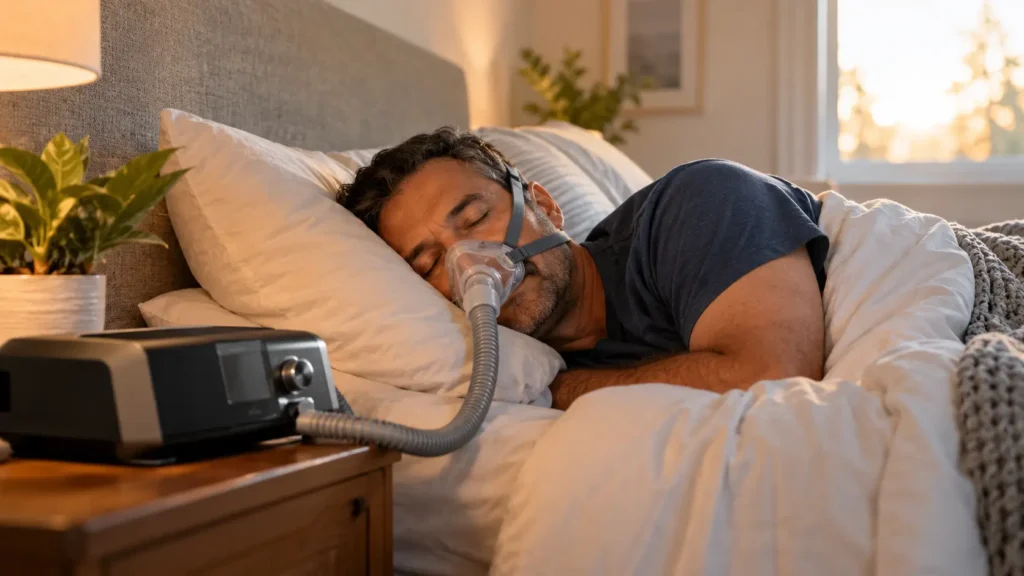
Sleep apnea is one of the most important causes to consider if you wake up tired after a full night’s sleep.
Sleep apnea is a sleep-related breathing disorder where breathing repeatedly stops or becomes shallow during sleep. The most common type is obstructive sleep apnea, where the upper airway becomes partly or fully blocked during sleep.
When breathing is interrupted, the brain briefly wakes the body to restore airflow. These awakenings may be so short that you do not remember them, but they can happen many times during the night.
Sleep apnea may cause:
- Loud snoring
- Breathing pauses during sleep
- Gasping or choking at night
- Morning headaches
- Dry mouth after waking
- Daytime sleepiness
- Poor focus
- Irritability
- Restless sleep
- High blood pressure with poor sleep
The difficult part is that many symptoms happen while you are asleep. A partner or family member may notice them before you do.
Book sleep test enquiry:
https://slumbersenseglobal.com/sleep-test/
3. Loud Snoring
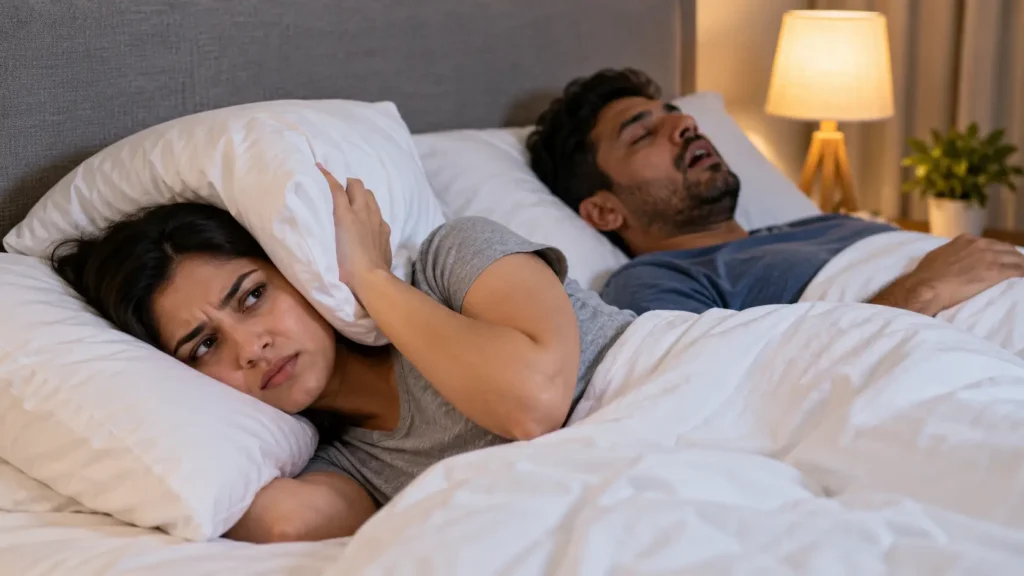
Snoring may seem normal, but loud and frequent snoring can disturb sleep quality. Not everyone who snores has sleep apnea, but snoring becomes more concerning when it is loud, frequent, and linked with daytime tiredness.
Snoring may be a warning sign when:
- It happens almost every night
- It disturbs your partner
- It is followed by silence
- It is followed by gasping or choking
- You wake up tired despite enough sleep
- You have morning headaches or dry mouth
- You feel sleepy during the day
If snoring and morning tiredness happen together, it may be time to check whether breathing problems are disturbing your sleep.
4. Gasping, Choking, or Breathing Pauses at Night
Waking up tired becomes more concerning if it is connected with gasping, choking, or breathing pauses.
Many people do not remember these episodes. A spouse or family member may notice them and say:
- “You stopped breathing.”
- “You make choking sounds.”
- “You suddenly gasp and start snoring again.”
- “Your breathing sounds irregular.”
A concerning pattern may look like this:
Loud snoring → silence → breathing pause → gasping/choking → movement → snoring again
If this happens repeatedly, your sleep may become fragmented, even if you do not fully wake up.
5. Stress and Mental Overload
Stress can make sleep lighter and less restorative. You may sleep for many hours but still wake up mentally tired because your brain stayed alert during the night.
Stress may cause:
- Difficulty falling asleep
- Frequent waking
- Early morning waking
- Night-time overthinking
- Poor sleep quality
- Tiredness after waking
If stress is the main reason, improving your sleep routine and relaxation habits may help. But if stress is combined with snoring, choking, or daytime sleepiness, sleep apnea should also be considered.
6. Irregular Sleep Schedule
Your body works best with a regular sleep-wake rhythm. If your sleep timing changes daily, your internal body clock may become disturbed.
This can happen when you:
- Sleep late on weekdays
- Sleep much later on weekends
- Work night shifts
- Use screens late at night
- Nap too long during the day
- Wake up at different times daily
Even if you sleep enough hours, irregular timing can make you feel tired, groggy, or unrefreshed.
7. Screen Time Before Bed
Phones, laptops, TV, and tablets can delay sleep and reduce sleep quality. Screen use can keep the brain active and make it harder to relax before bed.
Common issues include:
- Delayed sleep time
- Mindless scrolling late at night
- Mental stimulation
- Reduced relaxation
- Poor sleep routine
Reducing screen use 30–60 minutes before bed may improve sleep quality. However, screen time alone may not explain symptoms like loud snoring, gasping, choking, or morning headaches.
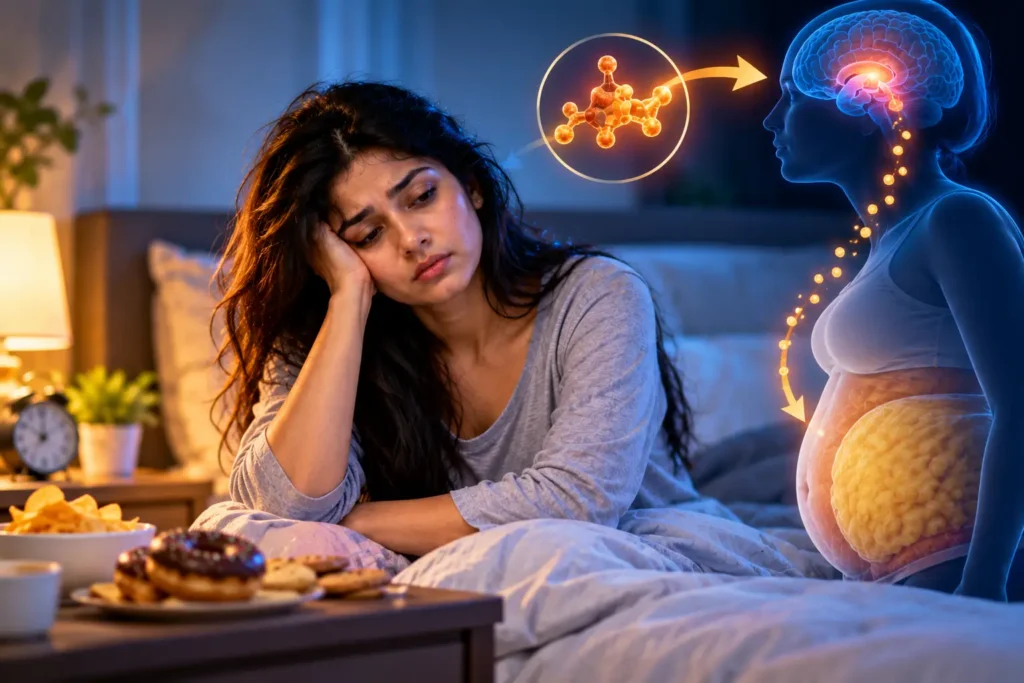
8. Alcohol, Heavy Meals, or Nasal Blockage
Alcohol may make you feel sleepy at first, but it can reduce sleep quality later in the night. It may also relax throat muscles and worsen snoring in some people.
Heavy meals close to bedtime can disturb sleep because of indigestion, reflux, or discomfort.
Nasal blockage, allergies, or sinus issues can also make breathing harder during sleep. This may lead to mouth breathing, dry mouth, snoring, and poor sleep quality.
Watch for:
- Snoring worse after alcohol
- Restless sleep after late meals
- Waking up thirsty
- Dry mouth in the morning
- Sore throat after waking
- Blocked nose at night
If these symptoms happen with loud snoring and daytime tiredness, sleep apnea may be worth checking.
9. Poor Sleep Environment
Your sleep environment can affect how deeply you sleep.
Common problems include:
- Too much noise
- Too much light
- Room too hot or cold
- Uncomfortable mattress
- Partner disturbance
- Phone notifications
- Pets disturbing sleep
A dark, quiet, comfortable room can support better sleep. But if you still wake tired despite improving your environment, another sleep or health issue may be involved.
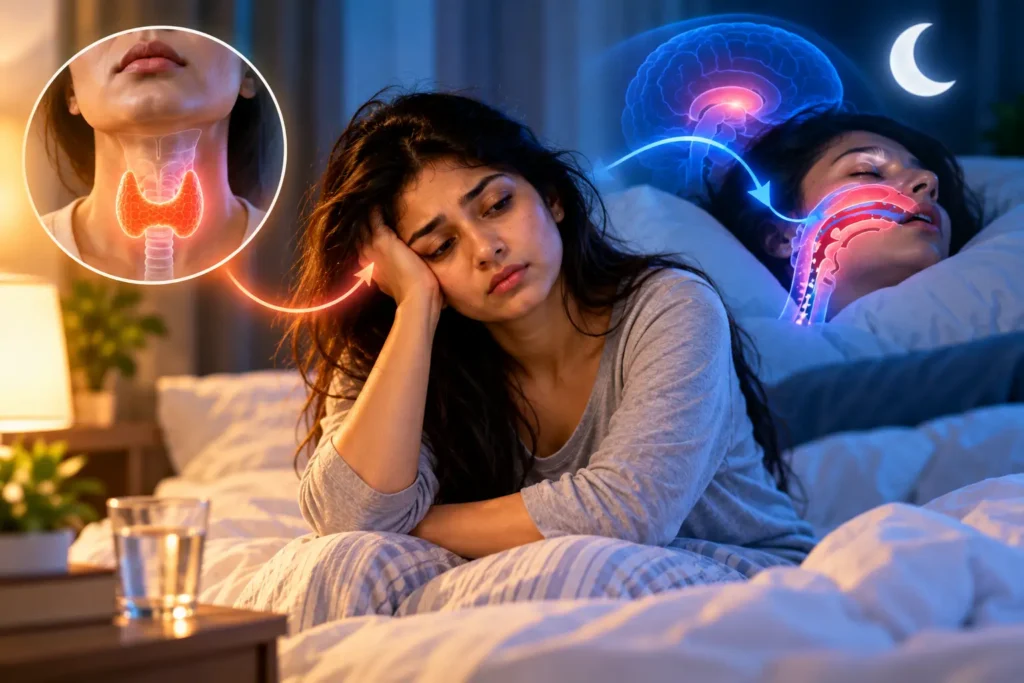
10. Medical Conditions
Several medical conditions can make you wake up tired after sleep, including:
- Sleep apnea
- Thyroid problems
- Diabetes
- Anemia
- Vitamin deficiencies
- Depression or anxiety
- Chronic pain
- Heart or lung conditions
- Restless legs syndrome
- Medication side effects
Ongoing tiredness should not be dismissed as laziness or “normal life.” If tiredness is persistent, worsening, or affecting daily activities, speak with a healthcare provider.
Signs Your Tiredness May Be Linked to Sleep Apnea
You should consider sleep apnea as a possible cause if waking up tired after sleep happens with these signs:
Night-time signs
- Loud snoring
- Breathing pauses
- Gasping or choking
- Restless sleep
- Frequent waking
- Night sweats
- Waking to urinate often
Morning signs
- Waking up tired
- Morning headache
- Dry mouth
- Heavy head
- Low energy
- Feeling unrefreshed
Daytime signs
- Excessive sleepiness
- Brain fog
- Poor focus
- Memory issues
- Mood changes
- Low productivity
- Sleepiness while driving
If you have several of these symptoms, a sleep test enquiry may be a helpful next step.
Book sleep test enquiry:
https://slumbersenseglobal.com/sleep-test/
When Is Waking Up Tired Normal?
Waking up tired once in a while can be normal. For example, you may feel tired after:
- A late night
- Travel
- Stressful workdays
- Heavy exercise
- Alcohol use
- Illness
- Poor sleep environment
- One disturbed night
Temporary tiredness usually improves when your routine improves.
But regular tiredness is different. If you wake up tired most mornings even after enough sleep, your body may be giving you a signal that something is affecting your sleep quality or overall health.
When Should You Worry?
You should take waking up tired after sleep seriously if:
- It happens most mornings
- You feel sleepy during the day
- You snore loudly
- Someone has noticed breathing pauses
- You wake up choking or gasping
- You have morning headaches
- You wake with dry mouth often
- You feel sleepy while driving
- Your focus and work performance are affected
- You have high blood pressure, diabetes, obesity, or heart risk
- Your partner is worried about your breathing at night
These signs do not automatically mean sleep apnea, but they are important enough to check.
Why a Sleep Test May Be Needed
A sleep test helps evaluate what happens while you sleep. Depending on your symptoms and medical history, a healthcare provider may suggest a home sleep test or an overnight lab sleep study.
A sleep test may monitor:
- Breathing patterns
- Oxygen levels
- Heart rate
- Snoring
- Breathing pauses
- Sleep interruptions
- Body movement
- Sleep quality indicators
A self-check or questionnaire can help identify risk, but it cannot confirm sleep apnea. Diagnosis usually requires proper sleep testing and medical evaluation.
Book sleep test enquiry:
https://slumbersenseglobal.com/sleep-test/
What You Can Do Before Booking a Sleep Test
Before booking a sleep test enquiry, track your symptoms for 1–2 weeks.
Note:
- Bedtime and wake time
- How tired you feel in the morning
- Snoring frequency
- Gasping or choking episodes
- Morning headaches
- Dry mouth
- Daytime sleepiness
- Caffeine and alcohol use
- Screen time before bed
- Partner observations
This information can help during a consultation.
Simple Tips to Improve Sleep Quality
These steps may help improve general sleep quality:
- Keep a regular sleep schedule
- Reduce screen time before bed
- Avoid alcohol before sleep
- Sleep on your side if back sleeping worsens snoring
- Manage nasal congestion with medical guidance
- Keep the room dark, quiet, and comfortable
- Avoid heavy meals late at night
- Speak with a professional if tiredness continues
These tips may help general sleep quality, but they should not replace medical evaluation if you have signs of sleep apnea.
Final Takeaway
Waking up tired after sleep does not always mean you slept too little. Sometimes, it means your sleep was not restful enough.
Common causes include poor sleep quality, stress, irregular routine, screen use, alcohol, nasal congestion, medical conditions, snoring, and sleep apnea.
If you regularly wake up tired after sleeping all night, especially with loud snoring, gasping, choking, breathing pauses, morning headaches, dry mouth, or daytime sleepiness, do not ignore it.
A sleep test enquiry can help you understand whether a sleep-related breathing problem may be affecting your rest.
Book sleep test enquiry:
https://slumbersenseglobal.com/sleep-test/
FAQs
1. Why do I wake up tired even after 8 hours of sleep?
You may wake up tired after 8 hours of sleep if your sleep quality is poor. Causes can include stress, irregular sleep routine, screen use, alcohol, medical conditions, snoring, or sleep apnea.
2. Can sleep apnea make me tired even after sleeping all night?
Yes. Sleep apnea can repeatedly interrupt breathing and sleep during the night. You may not remember waking up, but your sleep can become fragmented, causing morning tiredness and daytime sleepiness.
3. Is waking up tired a symptom of sleep apnea?
Waking up tired can be one possible symptom of sleep apnea, especially when it happens with loud snoring, gasping, choking, morning headaches, dry mouth, or daytime sleepiness.
4. Can snoring cause tiredness?
Snoring itself may disturb sleep, especially if it is loud and frequent. If snoring is linked with breathing pauses, gasping, choking, or daytime sleepiness, sleep apnea may be one possible cause.
5. When should I worry about waking up tired?
You should worry if you wake up tired most mornings, feel sleepy during the day, snore loudly, wake up choking, have morning headaches, or if someone notices breathing pauses during your sleep.
6. Do I need a sleep test if I wake up tired every day?
Not everyone who wakes up tired needs a sleep test. But if tiredness is persistent and linked with snoring, gasping, choking, breathing pauses, dry mouth, or daytime sleepiness, a sleep test enquiry may be helpful.
7. What does a sleep test check?
A sleep test may check breathing patterns, oxygen levels, heart rate, snoring, breathing pauses, and sleep interruptions. The exact measurements depend on the type of sleep test.
8. Where can I enquire about a sleep test?
You can enquire through SlumberSense Global here:
https://slumbersenseglobal.com/sleep-test/
Medical Disclaimer
This article is for educational purposes only and does not replace medical advice, diagnosis, or treatment. If you have severe daytime sleepiness, breathing pauses during sleep, chest pain, sudden breathlessness, or any urgent health concern, please consult a qualified healthcare professional immediately.