Quick Answer
Snoring is not always dangerous — but loud, frequent, or chronic snoring can be a warning sign of a more serious condition like sleep apnea.
Introduction
Snoring is often joked about or ignored as a minor inconvenience. But in reality, it can sometimes signal underlying health issues that shouldn’t be overlooked.
While occasional snoring is common and usually harmless, persistent or loud snoring may indicate a disrupted breathing pattern during sleep. This can affect not only your sleep quality but also your overall health.
So, when should you be concerned? Let’s break it down.
Learn more:
What is Sleep Apnea → /sleep-apnea/what-is-sleep-apnea/

What Causes Snoring?
Snoring occurs when airflow through your mouth and nose is partially blocked during sleep. This causes the surrounding tissues to vibrate, producing the familiar snoring sound.
Common Causes Include:
- Relaxation of throat muscles during sleep
- Nasal congestion or blockage
- Obesity or excess weight around the neck
- Sleeping position (especially on your back)
- Alcohol consumption before bedtime
Occasional snoring due to these factors is usually not dangerous.
When is Snoring Dangerous?
Snoring becomes a concern when it is frequent, loud, and associated with other symptoms.
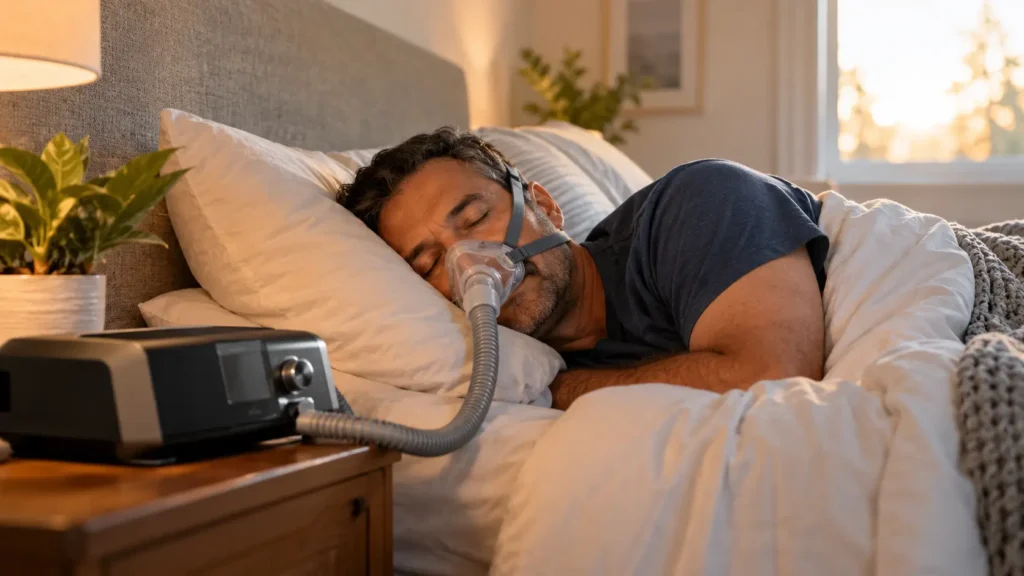
Chronic snoring may indicate sleep apnea — a condition where breathing repeatedly stops and starts during sleep.
Warning Signs to Watch For
If you or someone around you notices these symptoms, it’s time to take snoring seriously:
- Frequent and loud snoring
- Pauses in breathing during sleep
- Gasping or choking sounds at night
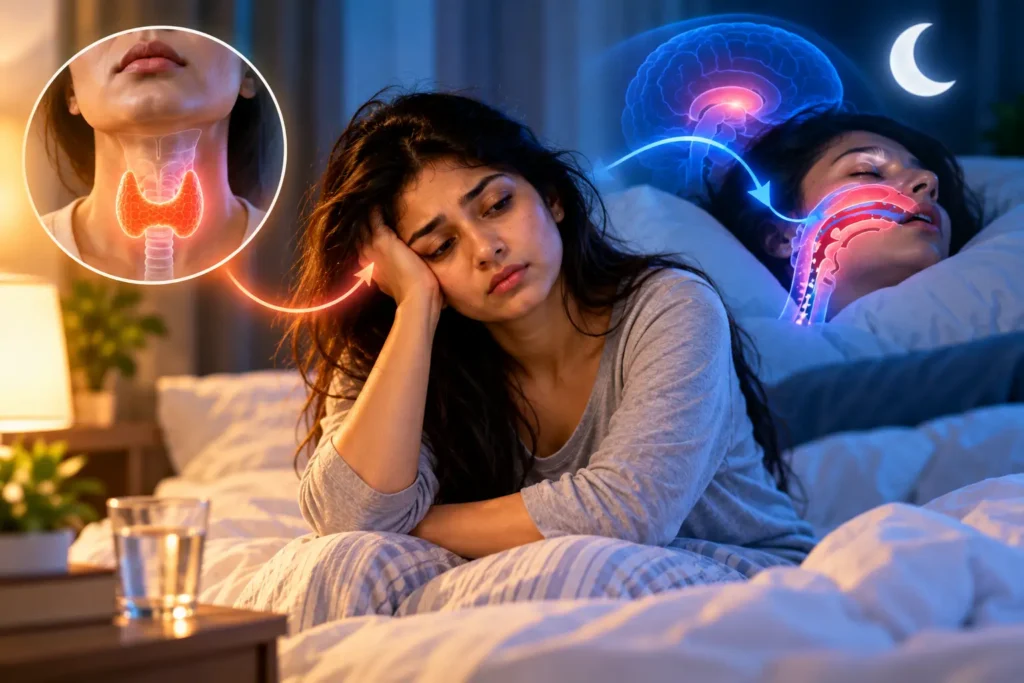
- Excessive daytime fatigue
- Morning headaches
- Difficulty concentrating
These are strong indicators of a possible sleep disorder.
Health Risks of Chronic Snoring
Ignoring serious snoring can lead to long-term health complications:
1. Poor Sleep Quality
Interrupted sleep can leave you feeling tired and unrefreshed.
2. Heart Problems
Chronic snoring linked to sleep apnea increases the risk of heart disease and high blood pressure.
3. Daytime Fatigue
Lack of proper sleep affects productivity, focus, and mood.
4. Relationship Issues
Snoring can disturb your partner’s sleep, leading to frustration and stress.
Snoring vs Sleep Apnea
| Factor | Snoring | Sleep Apnea |
| Breathing | No interruption | Frequent pauses |
| Risk Level | Usually low | High |
| Treatment | Lifestyle changes | Medical treatment required |
Not all snoring means sleep apnea — but it’s one of the biggest warning signs.
How to Reduce Snoring
If your snoring is mild, these lifestyle changes can help:
- Maintain a healthy weight
- Sleep on your side instead of your back
- Avoid alcohol before bedtime
- Treat nasal congestion
- Follow a consistent sleep routine
When Should You See a Doctor?
Consult a healthcare professional if:
- Snoring is loud and frequent
- You experience breathing pauses
- You feel excessively tired during the day
Early diagnosis can prevent serious complications.
Real Insight
In India, many people ignore snoring as a normal habit. However, persistent snoring is one of the earliest signs of sleep apnea — and early diagnosis can prevent serious long-term health issues.
Related:
Sleep Study Cost in India → /sleep-apnea/sleep-study-cost-india/
Internal Resources
- Sleep Apnea Symptoms → /sleep-apnea/symptoms/
- What is Sleep Apnea → /sleep-apnea/what-is-sleep-apnea/
- CPAP Treatment Guide → /cpap-machines/best-cpap-machine-india/
Frequently Asked Questions (FAQs)
No, not always. However, it is a key indicator and should not be ignored if it’s frequent or severe.
Yes, depending on the cause. Lifestyle changes or medical treatment can significantly reduce or eliminate snoring.
Yes, occasional snoring is very common, especially among adults.
In many cases, yes. Weight loss can reduce pressure on the airway and improve breathing.
Final Thoughts
Snoring may seem harmless, but it can sometimes be a sign of something more serious.
The key is to identify whether it’s occasional or chronic. If you notice warning signs, don’t ignore them.
Taking action early can improve your sleep quality, health, and overall well-being.
Not sure if your snoring is normal or a warning sign?
Take the next step and assess your risk for sleep apnea today.