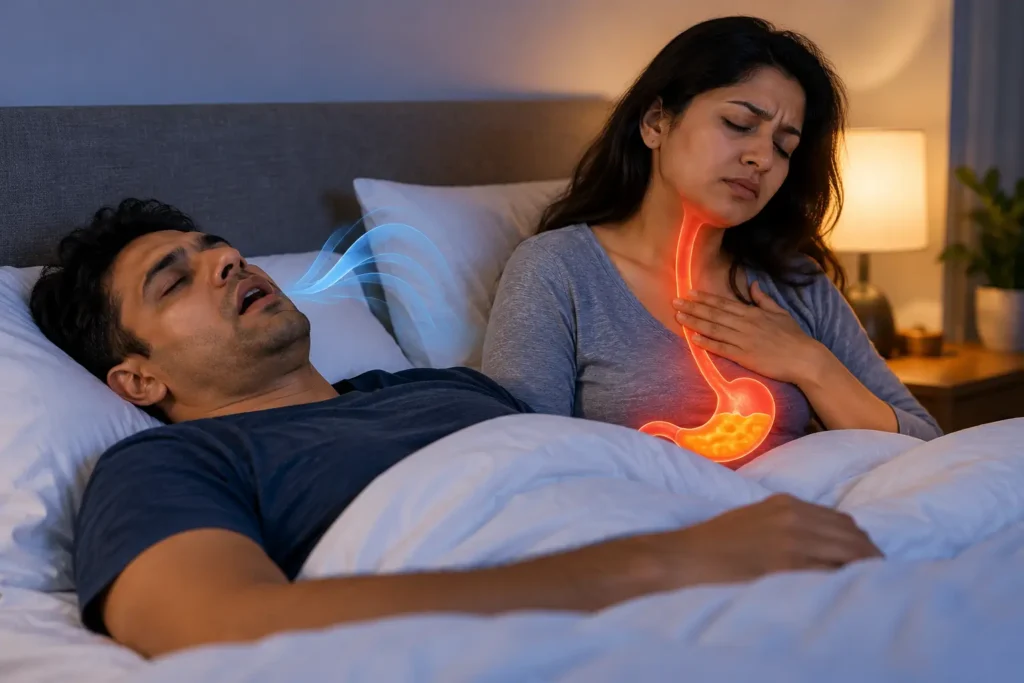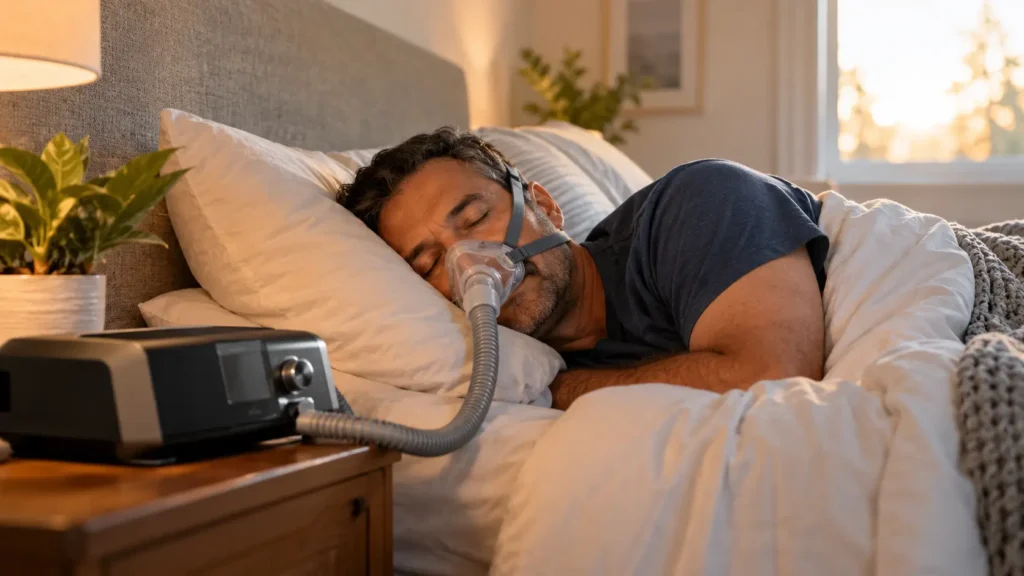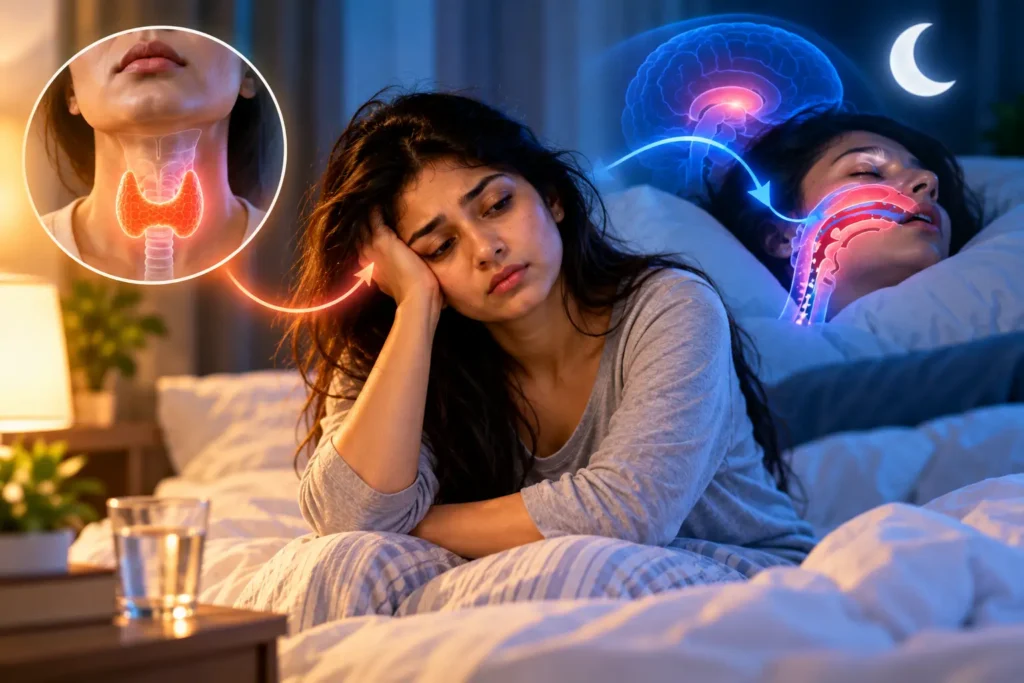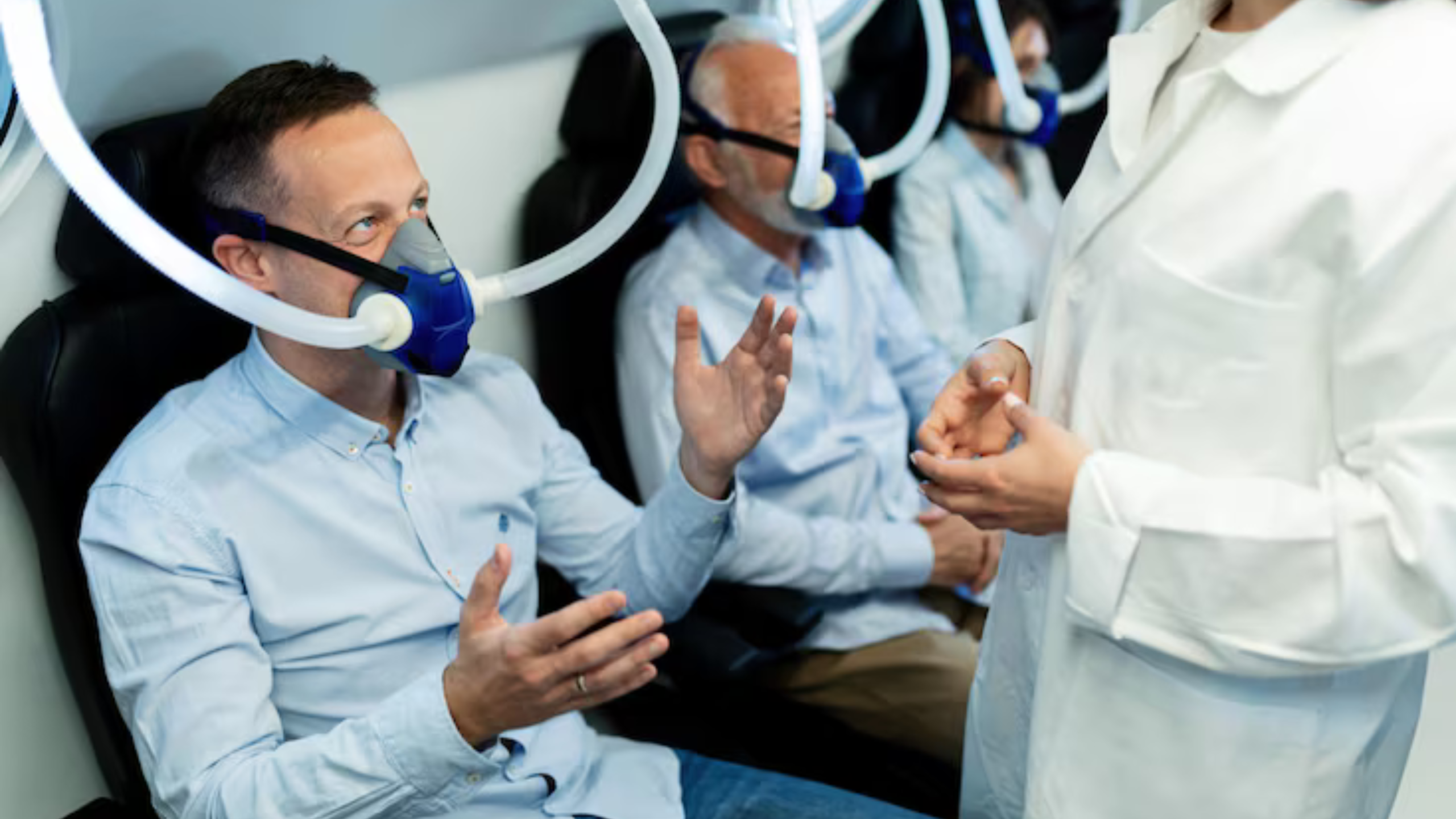
Not everyone with obstructive sleep apnea (OSA) responds the same way to standard treatments, and breathing patterns during sleep can make a big difference. A 2024 study dives deep into the mouth‑breathing sleep apnea phenotype and tests whether oral appliance therapy for sleep apnea – alone or combined with a mouth shield – can reduce breathing events and shift patients back to nasal breathing.
What is oral appliance therapy for sleep apnea?
Oral appliance therapy uses custom devices worn in the mouth during sleep to prevent upper airway collapse. The gold standard is the mandibular advancement device (MAD), which gently pulls the lower jaw forward to enlarge the airway space and stabilize the tongue.
Multiple systematic reviews confirm that oral appliance effectiveness is strong for many patients:
- Significant reductions in apnea‑hypopnea index (AHI) and oxygen desaturation events.
- Best results in mild to moderate OSA, but meaningful benefits even in some severe cases where CPAP fails.
- Higher patient satisfaction and adherence compared with CPAP due to comfort, portability, and no mask.
For people seeking non‑CPAP treatment for OSA, a custom oral appliance prescribed by a sleep dentist offers a validated alternative endorsed by clinical guidelines.
The mouth‑breathing sleep apnea phenotype explained
Mouth‑breathing sleep apnea occurs when patients breathe predominantly through the mouth during sleep, often from nasal congestion, anatomy, or habit. This pattern can dry airway tissues, worsen collapse risk, and reduce treatment response to standard mandibular advancement devices.
The Frontiers in Sleep study specifically recruited patients with this OSA mouth breathing phenotype and tested two strategies over eight weeks:
- Oral appliance alone (standard MAD)
- Combination oral appliance therapy (MAD plus a mouth shield to limit mouth opening and encourage nasal breathing)
They tracked mouth‑breathing percentage, respiratory indices, heart rate variability, and oxygenation to see how phenotype‑based OSA treatment performed.
Key findings: how combination therapy performed
Both approaches showed meaningful improvements, but the combination had some advantages:
- Reduced mouth breathing: Both the oral appliance alone and combination oral appliance therapy significantly lowered mouth‑breathing time compared with baseline.
- Improved sleep apnea severity: Respiratory event index and hypopnea index dropped substantially, reflecting fewer apneas and hypopneas per hour.
- Better breathing stability: The mouth shield group showed more consistent respiratory rate and oxygen saturation patterns, suggesting enhanced airway stability during sleep.
These results highlight that for mouth‑breathing sleep apnea patients, adding a simple mouth shield to a sleep apnea dental device can amplify benefits without needing complex equipment.
How does this fit into broader evidence on oral appliances?
Oral appliance effectiveness has been validated across dozens of trials and meta‑analyses:
- Mandibular advancement devices reduce AHI by 50% or more in many mild/moderate OSA cases and improve daytime sleepiness.
- Long‑term data (1–5 years) show sustained benefits with good adherence and minimal side effects when properly titrated.
- For non‑CPAP treatment for OSA patients, success rates reach 50–70% for complete or partial response.
The mouth‑breathing study builds on this by showing how phenotype‑based OSA treatment – matching the device setup to breathing style – can optimize outcomes for specific subgroups.
| Treatment Type | AHI Reduction | Adherence Rate | Best For |
| Standard MAD | 50–60% | 70–85% | Mild/moderate OSA |
| MAD + Mouth Shield (mouth breathers) | 60–70% + nasal breathing shift | High (study cohort) | Mouth‑breathing phenotype |
| CPAP (comparison) | 70–90% | 40–60% | Severe OSA |
Who is a good candidate for phenotype‑based oral appliance therapy?
Custom oral appliance therapy shines for patients who:
- Have mild to moderate OSA (AHI 5–30) or severe OSA with CPAP intolerance.
- Show predominant mouth‑breathing sleep apnea on sleep studies or video monitoring.
- Have healthy teeth/jaw and nasal breathing potential (with or without aids like nasal strips).
Start with a sleep physician evaluation, then see a dental sleep medicine specialist for fitting and titration. For mouth‑breathing sleep apnea, discuss combination oral appliance therapy early to maximize oral appliance effectiveness.
Final thoughts: personalized therapy is key
As OSA mouth breathing phenotype research grows, oral appliance therapy for sleep apnea is evolving from a “backup” option to a smart, phenotype‑based OSA treatment tailored to how you actually breathe at night. If standard CPAP feels like too much, a mandibular advancement device – possibly with a mouth shield – could be your path to quieter nights and healthier days without the mask.