Quick Answer
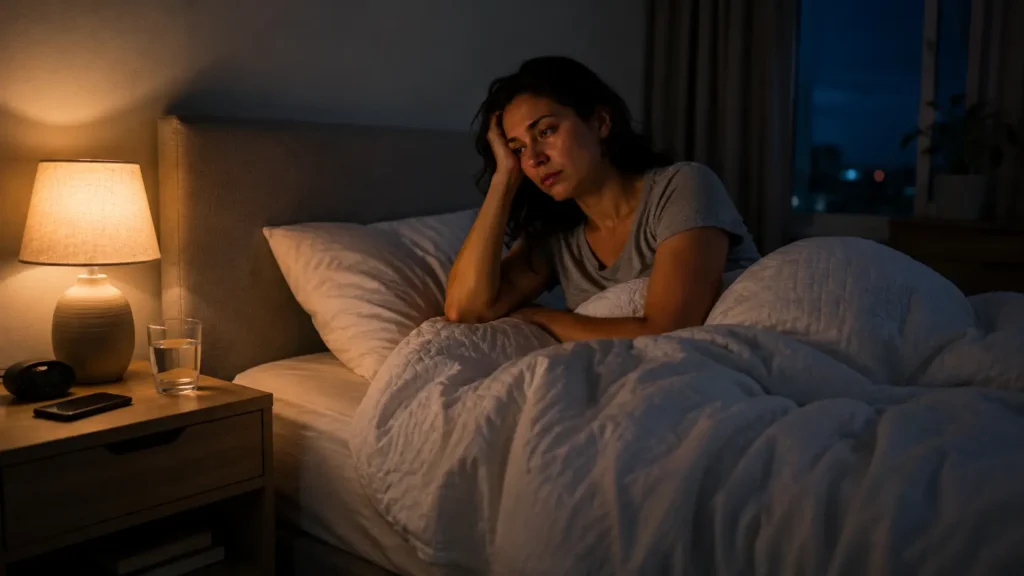
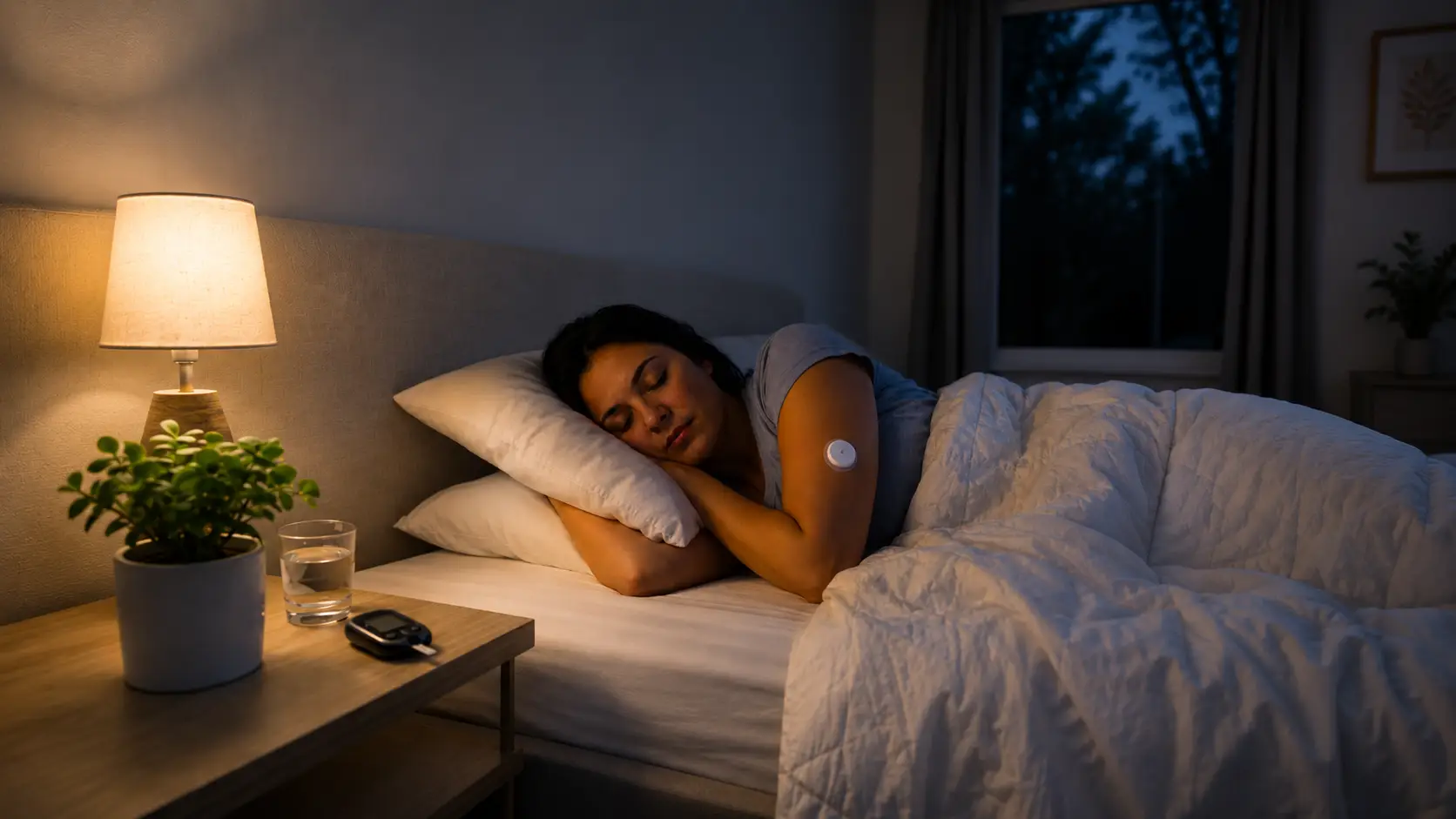
Poor sleep can affect diabetes by making blood sugar harder to manage. When sleep is short, broken, irregular, or affected by sleep apnea, the body may become less sensitive to insulin. This can lead to blood sugar swings, stronger cravings, weight gain, fatigue, and poor daytime energy.
The relationship also works both ways. Diabetes can disturb sleep through frequent urination at night, nerve pain, nighttime low blood sugar, stress, and untreated obstructive sleep apnea.
Better sleep will not cure diabetes, but identifying sleep problems and treating conditions such as sleep apnea may support better overall diabetes care. If you snore loudly, wake up gasping, feel tired during the day, or have diabetes with poor sleep, it may be worth discussing a sleep assessment with a qualified healthcare provider.
Why Sleep Matters for People With Diabetes
When people think about diabetes, they usually focus on food, sugar intake, weight, exercise, and medicines. These are important, but sleep is also part of the same picture.
Your body uses sleep to regulate hormones, repair tissues, support metabolism, and maintain normal energy balance. When sleep is poor, the body may struggle to use insulin properly. Insulin is the hormone that helps move glucose from the blood into the cells. When insulin does not work well, blood sugar can rise more easily.
Poor sleep may include:
- Sleeping less than 7 hours most nights
- Waking many times during the night
- Going to bed and waking up at different times every day
- Working night shifts or rotating shifts
- Snoring, gasping, or choking during sleep
- Feeling tired even after a full night in bed
- Having untreated sleep apnea
For people with diabetes or prediabetes, these sleep problems can make blood sugar control more difficult.
How Poor Sleep Can Affect Diabetes
Poor sleep affects diabetes through several connected pathways.
| Poor Sleep Problem | How It May Affect Blood Sugar |
| Short sleep duration | May reduce insulin sensitivity and increase blood sugar risk |
| Broken or unrefreshing sleep | May worsen fatigue and daily diabetes self-care |
| Irregular sleep timing | May disturb circadian rhythm and glucose regulation |
| Sleep apnea | May cause oxygen drops, stress response, and insulin resistance |
| Late-night cravings | May increase calorie intake and weight gain |
| Stress and poor recovery | May make blood sugar more unpredictable |
This does not mean one bad night will cause diabetes. But if poor sleep continues for weeks, months, or years, it may become an important part of the metabolic problem.
1. Poor Sleep May Increase Insulin Resistance
Insulin resistance means the body needs more insulin to keep blood sugar under control. This is one of the main links between poor sleep and type 2 diabetes.
When you do not sleep enough, your body may become less efficient at using insulin. As a result, glucose can stay in the bloodstream longer. Over time, this may contribute to higher fasting sugar, higher post-meal sugar, and increased diabetes risk.
This is why sleep should not be treated as a small lifestyle issue. It is part of metabolic health, along with diet, movement, stress, and weight management.
2. Poor Sleep Can Make Blood Sugar More Unpredictable
Many people with diabetes notice that their readings are not always easy to explain. Food is important, but it is not the only factor. Sleep quality, stress, illness, late meals, alcohol, physical activity, and medication timing can all affect blood sugar.
Poor sleep may make blood sugar more variable because it affects:
- Insulin sensitivity
- Stress hormone balance
- Appetite control
- Late-night eating patterns
- Energy levels
- Motivation to exercise
- Consistency with medication and daily routine
If someone is sleeping badly and also feeling tired all day, they may be less likely to walk, exercise, cook healthy meals, or follow their diabetes plan properly. This creates a cycle: poor sleep affects diabetes, and diabetes-related symptoms can further disturb sleep.
3. Sleep Loss Can Increase Hunger and Cravings
Poor sleep can also affect appetite. After a bad night, many people feel hungrier, crave sweets, or want high-calorie comfort food. This is not just about willpower. Sleep loss can disturb the hormones and brain signals involved in hunger and fullness.
Common patterns include:
- Craving sugary snacks
- Eating late at night
- Drinking more caffeine
- Choosing larger portions
- Feeling too tired to prepare healthy meals
- Reduced motivation for exercise
Over time, these patterns may contribute to weight gain. Extra weight can increase insulin resistance and also raise the risk of obstructive sleep apnea. This is one reason sleep, weight, diabetes, and sleep apnea often overlap.
4. Irregular Sleep Timing Can Disturb the Body Clock
Sleep is not only about total hours. Timing matters too.
Your body follows a natural internal clock called the circadian rhythm. This rhythm helps regulate sleep, hunger, digestion, hormones, glucose production, and energy use.
When sleep timing changes constantly, the body clock can become misaligned. This may happen in people who:
- Sleep very late at night
- Wake at different times every day
- Work night shifts
- Rotate between day and night shifts
- Sleep less during weekdays and try to “catch up” on weekends
For blood sugar control, a regular sleep schedule can be helpful. Even if total sleep time looks acceptable, irregular timing may still affect metabolic health.
5. Sleep Apnea and Diabetes Are Closely Connected
Obstructive sleep apnea is a sleep disorder where breathing repeatedly stops or becomes shallow during sleep. The airway becomes blocked, oxygen levels may fall, and the brain briefly wakes the body to restart breathing.
Many people with sleep apnea do not fully remember these awakenings. They may only notice symptoms such as:
- Loud snoring
- Waking up gasping or choking
- Morning headaches
- Dry mouth on waking
- Daytime sleepiness
- Poor concentration
- Irritability
- High blood pressure
- Feeling tired even after sleeping
Sleep apnea is especially important for people with type 2 diabetes because both conditions share common risk factors, including excess weight, age, and metabolic problems. Untreated sleep apnea may worsen insulin resistance and make blood sugar harder to control.
If a person has diabetes and also snores loudly, wakes tired, or feels sleepy during the day, sleep apnea should not be ignored.
Why Diabetes Can Also Cause Poor Sleep
The connection between sleep and diabetes works both ways. Poor sleep may affect blood sugar, but diabetes can also disturb sleep.
Common reasons include:
Frequent urination at night
High blood sugar can increase urination, which may cause repeated bathroom visits during the night.
Nighttime low blood sugar
Some people with diabetes may experience low blood sugar during sleep. This can cause sweating, nightmares, restlessness, waking suddenly, or feeling tired and confused in the morning.
Nerve pain or discomfort
Diabetic neuropathy can cause burning, tingling, or pain in the feet and legs, which may become more noticeable at night.
Stress and diabetes distress
Managing diabetes can feel mentally heavy. Worrying about readings, medicines, food, and future health can make sleep more difficult.
Coexisting sleep apnea
Sleep apnea is common in people with type 2 diabetes and may remain undiagnosed for years.
This is why “just sleep more” is not always enough advice. The real issue may be poor sleep quality, sleep apnea, pain, nighttime sugar changes, or stress.
Warning Signs You Should Not Ignore
You may want to discuss your sleep with a healthcare provider if you have diabetes or prediabetes and notice:
- Loud or frequent snoring
- Gasping, choking, or breathing pauses during sleep
- Morning headaches
- Daytime sleepiness
- Feeling tired despite enough time in bed
- High blood pressure
- Frequent urination at night
- Blood sugar that feels harder to control
- Weight gain along with poor sleep
- Trouble concentrating during the day
- Your partner says your breathing stops during sleep
These signs do not confirm sleep apnea or diabetes complications, but they are important enough to check.
When Should You Consider a Sleep Test?
A sleep test may be worth discussing if you have symptoms of obstructive sleep apnea, especially loud snoring, gasping, choking, daytime sleepiness, morning headaches, high blood pressure, obesity, or type 2 diabetes.
A home sleep test can be useful when the main concern is suspected sleep apnea. It may measure breathing, oxygen levels, snoring, heart rate, body position, and other sleep-related signals depending on the type of test used.
At SlumberSense Global, home sleep study options are designed to help people understand whether sleep apnea may be present and how severe it may be. The test report can support further discussion with a qualified sleep specialist or healthcare provider.
A sleep test is not needed for every sleep problem, but it can be an important step when symptoms point toward sleep-disordered breathing.
Can Treating Sleep Apnea Help Diabetes?
Treating sleep apnea does not cure diabetes. However, if sleep apnea is present, proper treatment may support better overall health and diabetes management.
Positive Airway Pressure therapy, often called PAP or CPAP therapy, helps keep the airway open during sleep. When used consistently, it may improve sleep quality, reduce snoring, reduce daytime fatigue, and support better breathing at night.
For people with diabetes and sleep apnea, better sleep may also make it easier to follow healthy routines during the day, including meal planning, exercise, medication adherence, and glucose monitoring.
The most important point is this: diabetes care should not ignore sleep. If sleep apnea is part of the problem, treating it may become an important part of the overall care plan.
Practical Sleep Tips for Better Blood Sugar Support
These steps are not a replacement for diabetes treatment, but they may support better sleep and metabolic health:
- Try to sleep and wake at the same time daily.
- Aim for at least 7 hours of sleep when possible.
- Avoid heavy meals close to bedtime.
- Limit caffeine late in the day.
- Avoid alcohol near bedtime, especially if you snore or have sleep apnea symptoms.
- Keep the bedroom cool, dark, and quiet.
- Reduce screen exposure before sleep.
- Track snoring, daytime sleepiness, and morning headaches.
- Speak with a doctor if you wake up gasping or choking.
- If you have diabetes and poor sleep, mention sleep quality during your diabetes review.
How SlumberSense Global Can Help
SlumberSense Global is built to help people understand sleep apnea, poor sleep, and sleep-related health risks in a simple and practical way.
If this article feels relevant to you, your next step can be:
- Take the Sleep Apnea Self-Check
- Learn about Sleep Test at Home
- Explore PAP Therapy guidance
- Speak with a qualified healthcare provider
Sleep is not separate from diabetes care. Better sleep, better breathing, and better awareness can support better long-term health.
FAQs
Poor sleep may make blood sugar harder to manage because it can affect insulin sensitivity, stress response, appetite, and daily routine. One bad night is not the same as a long-term problem, but repeated poor sleep can matter.
Lack of sleep alone does not directly “cause” diabetes in every person. However, chronic short sleep is associated with higher type 2 diabetes risk, especially when combined with other risk factors such as weight gain, poor diet, low activity, stress, or sleep apnea.
Yes, sleep apnea is common in people with type 2 diabetes. Many people may not know they have it because symptoms can be mistaken for normal tiredness, aging, or work stress.
No. Treating sleep apnea does not cure diabetes. But if sleep apnea is present, proper treatment may improve sleep quality, reduce daytime fatigue, and support overall diabetes management.
People with diabetes may wake at night due to frequent urination, low blood sugar, nerve pain, stress, or sleep apnea. If this happens often, it is worth discussing with a healthcare provider.
You should consider discussing a sleep test if you snore loudly, wake up gasping, feel very sleepy during the day, have morning headaches, have high blood pressure, or have type 2 diabetes with poor sleep.
A home sleep test can be useful for suspected obstructive sleep apnea. However, some people may need a more detailed sleep study depending on their symptoms, medical history, and doctor’s advice.
Medical Disclaimer
This article is for educational purposes only and does not provide diagnosis or personalised medical advice. If you have diabetes, prediabetes, snoring, daytime sleepiness, breathing pauses during sleep, morning headaches, or concerns about your blood sugar, please speak with a qualified doctor, sleep specialist, or diabetes care professional. Do not start, stop, or change treatment based on this article alone.