Quick Answer
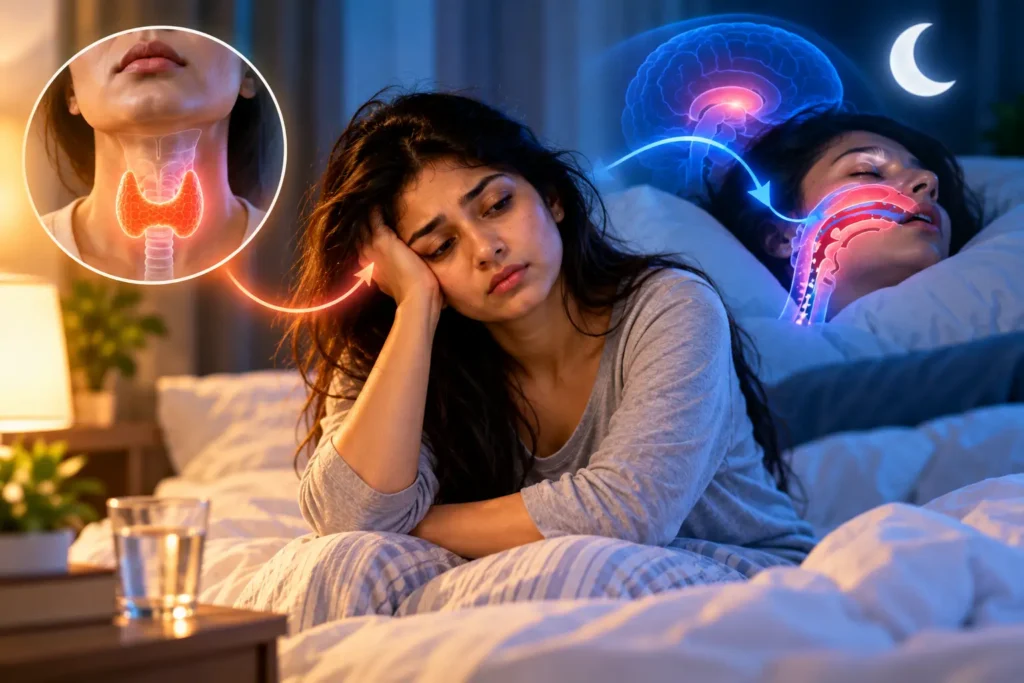
Poor sleep can affect mental health by increasing emotional sensitivity, stress, anxiety symptoms, low mood, brain fog, and daytime fatigue. Mental health problems can also disturb sleep, creating a two-way cycle. If poor sleep happens with loud snoring, gasping, morning headaches, or daytime sleepiness, sleep apnea may be one possible hidden cause worth checking.
The Sleep–Mental Health Cycle
Poor sleep and mental health often affect each other. A stressful mind can make sleep difficult, and poor sleep can make the next day emotionally harder.
This cycle may look like this:
Stress or anxiety → difficulty sleeping → daytime tiredness → low mood or irritability → more stress → worse sleep.
For many people, the problem is not only “mental stress.” It may also include poor sleep quality, insomnia, irregular sleep timing, or undiagnosed sleep apnea.
Why One Bad Night Can Change Your Mood
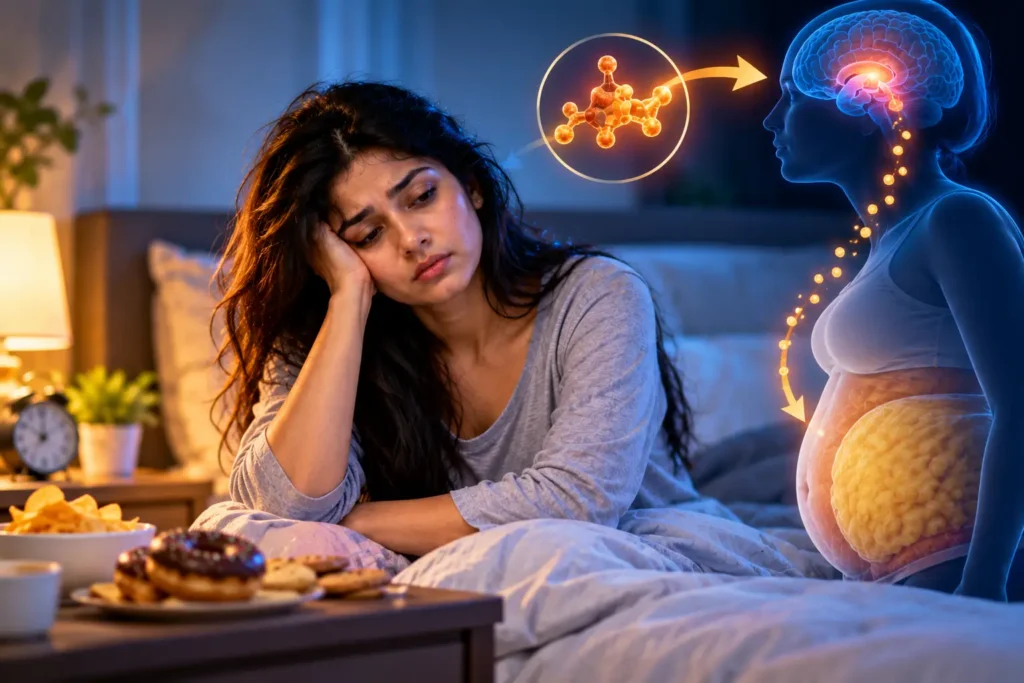
After a poor night’s sleep, the brain may become more reactive. Small problems feel bigger. Patience reduces. Focus becomes harder. Emotional control may feel weaker.
This is why people often feel:
- more irritated
- more anxious
- more negative
- less motivated
- more overwhelmed
- less able to concentrate
Occasional poor sleep is normal. But when this pattern continues, it can start affecting daily life, work, relationships, and mental wellbeing.
Anxiety and Sleep: Why Overthinking Gets Worse at Night
Anxiety can make it difficult to fall asleep because the mind stays active. Many people feel tired but still cannot sleep because they keep thinking about work, family, money, health, or the next day.
Poor sleep then makes anxiety worse the next day. The body feels more tense, the mind feels less clear, and small worries may feel more serious.
This is one of the most common sleep and mental health loops.
Depression and Sleep: A Two-Way Connection
Depression and sleep problems often appear together. Some people with depression sleep too little. Others sleep too much but still feel tired. Some wake early in the morning and cannot fall asleep again.
Poor sleep does not automatically mean someone has depression. But if poor sleep comes with low mood, loss of interest, hopelessness, or emotional heaviness, it should be taken seriously.
Sleep improvement can support mental health, but it is not a replacement for professional mental health care when symptoms are serious or long-lasting.
When Poor Sleep Looks Like Burnout
Many people think they are lazy, unmotivated, or mentally weak. But sometimes the real issue is chronic poor sleep.
Poor sleep can cause:
- brain fog
- low productivity
- poor memory
- reduced patience
- emotional exhaustion
- low motivation
- difficulty making decisions
This can look like burnout, especially in people with demanding jobs, business responsibilities, caregiving duties, or long screen time.
Could Sleep Apnea Be Affecting Your Mental Health?
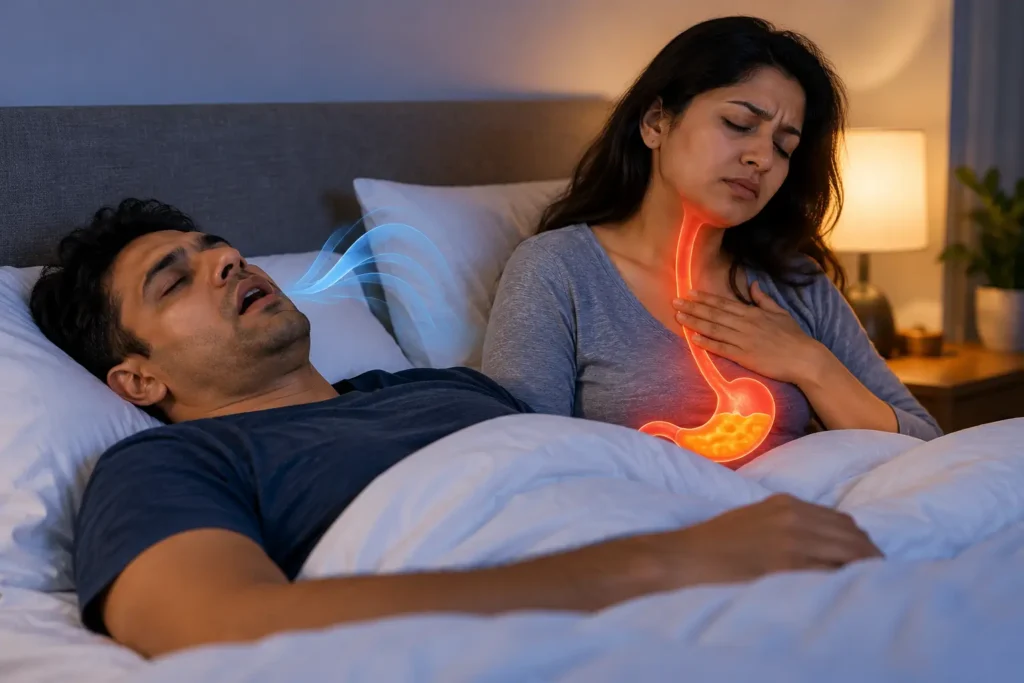
Sleep apnea is often missed because many people do not remember waking up at night. They only notice the daytime effects.
Sleep apnea may cause:
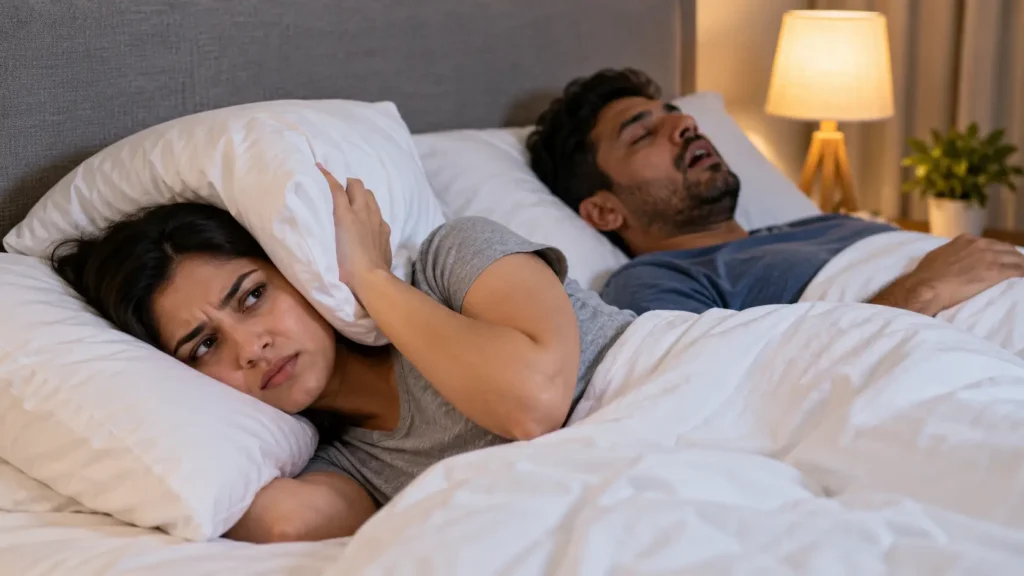
- loud snoring
- gasping or choking during sleep
- morning headaches
- dry mouth
- daytime sleepiness
- poor concentration
- irritability
- low energy
- mood changes
If a person feels mentally exhausted despite spending enough time in bed, sleep apnea may be one possible reason.
When to Consider a Sleep Assessment
Consider discussing a sleep assessment if poor mood, anxiety, tiredness, or brain fog happens along with:
- loud snoring
- breathing pauses during sleep
- waking up gasping
- morning headaches
- daytime sleepiness
- high blood pressure
- obesity
- poor concentration
- feeling tired despite sleeping enough
A sleep test is not required for every mental health concern. But when symptoms suggest sleep apnea, testing can help identify whether disturbed breathing during sleep is affecting daytime wellbeing.
How SlumberSense Global Can Help
SlumberSense Global helps people understand sleep apnea, poor sleep, and sleep-related health risks through awareness, self-check tools, home sleep testing information, and PAP therapy guidance.
If poor sleep, snoring, daytime tiredness, or mood changes sound familiar, your next step may be to:
- Take the Sleep Apnea Self-Check
- Learn about Sleep Test at Home
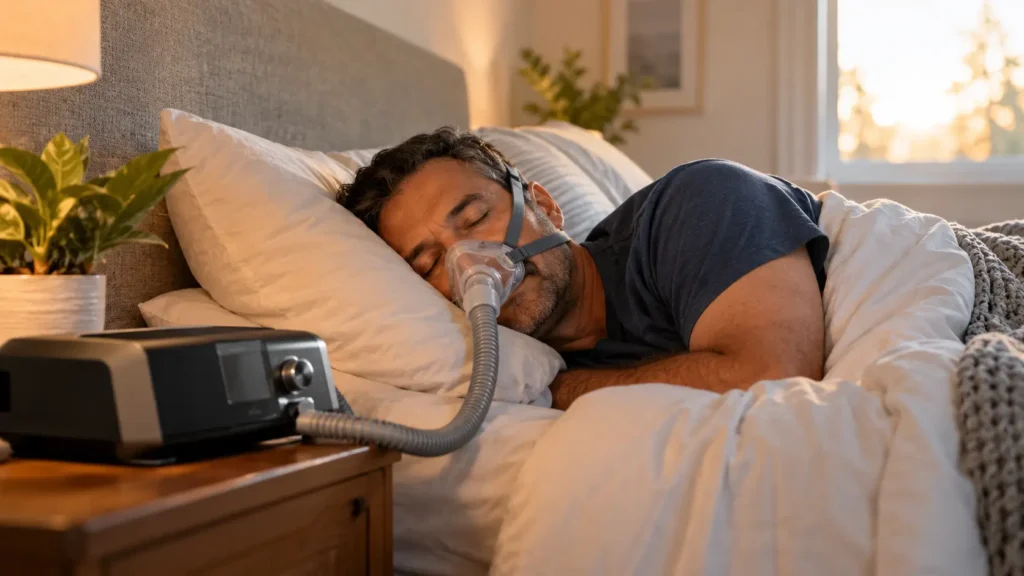
- Explore PAP Therapy guidance
- Read more articles in the Awareness Hub
- Speak with a qualified healthcare provider
FAQs
Yes. Poor sleep can affect mood, emotional control, focus, stress tolerance, and daytime energy.
Yes. Anxiety can cause racing thoughts, restlessness, and difficulty falling asleep or staying asleep.
Yes. Sleep apnea can disturb breathing and sleep quality, which may lead to tiredness, irritability, poor focus, and mood changes.
A sleep test is not needed for every anxiety or depression case. But if anxiety, low mood, or fatigue happens with snoring, gasping, morning headaches, or daytime sleepiness, a sleep assessment may be worth discussing.
Medical Disclaimer
This article is for educational purposes only and does not provide diagnosis, treatment, or personalised medical advice. If you have ongoing sleep problems, anxiety, depression, mood changes, daytime sleepiness, snoring, or breathing pauses during sleep, please speak with a qualified healthcare provider. If you feel unsafe or have thoughts of self-harm, seek urgent help from local emergency services or a crisis support service.