Quick Answer
The best CPAP mask is the one that fits your face comfortably, seals well, matches your breathing style, and allows you to use CPAP regularly. Common CPAP mask types include nasal masks, nasal pillow masks, and full face masks. ResMed India describes full face masks as useful for people who tend to breathe through the mouth, while nasal pillow masks are lightweight and keep the field of vision clear.
Why CPAP Mask Choice Matters
A CPAP machine can only work well if the mask fits properly. A poor mask fit may cause air leaks, dry mouth, skin marks, noise, and discomfort.
Many people give up CPAP not because the machine is wrong, but because the mask is not suitable.
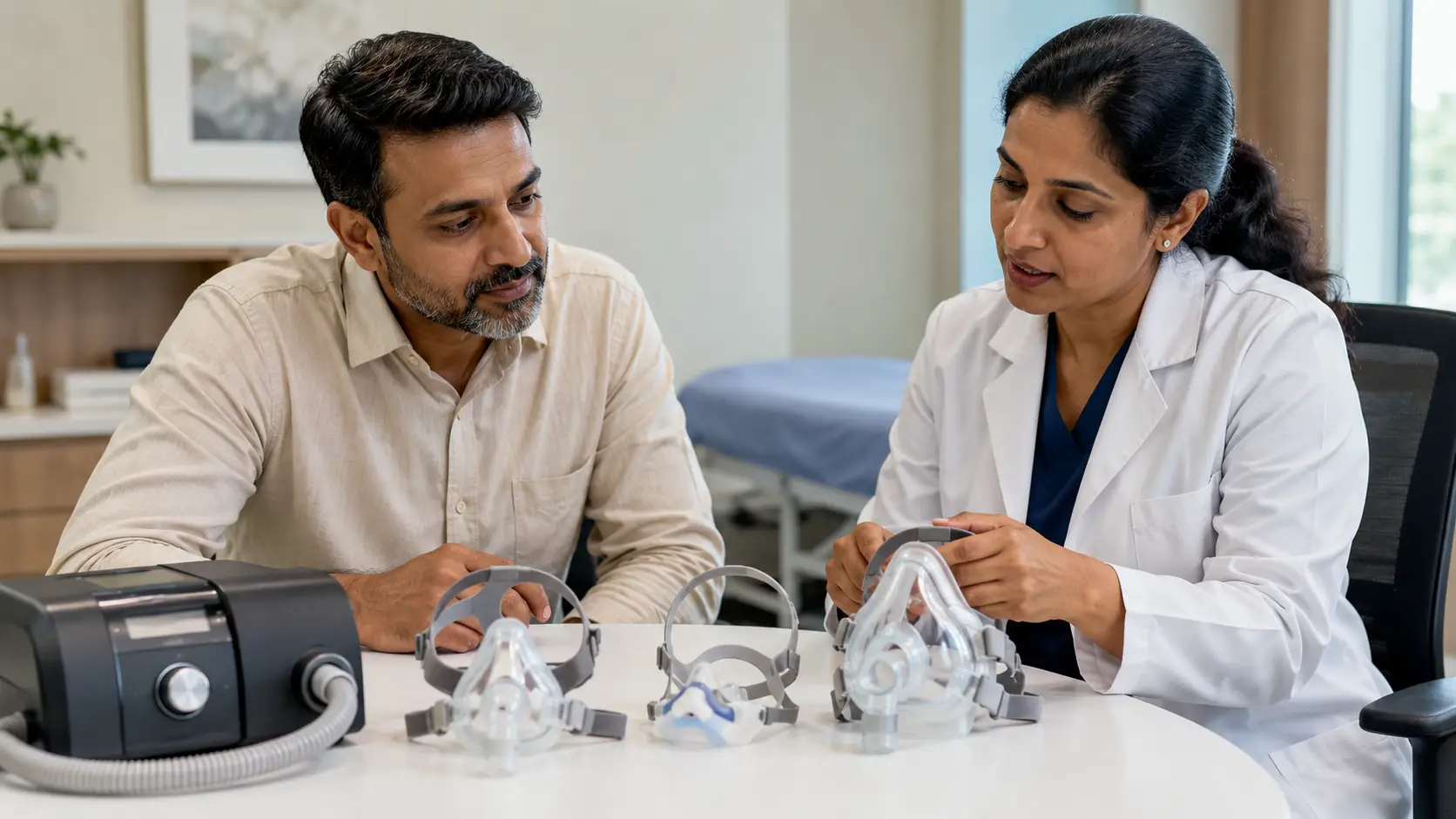
Main Types of CPAP Masks
| Mask Type | Covers | Best For |
| Nasal mask | Nose | Nose breathers |
| Nasal pillow mask | Nostrils | Minimal contact, side sleepers |
| Full face mask | Nose and mouth | Mouth breathers, nasal blockage |
| Hybrid mask | Under nose + mouth | Some mouth breathers wanting less bulk |
Nasal Mask
A nasal mask covers the nose. It may suit people who breathe mostly through the nose and want a stable seal.
Good for:
- Nose breathers
- Moderate pressure needs
- People who move during sleep
- Users wanting less bulk than full face masks
May not suit:
- Severe nasal blockage
- Frequent mouth breathing
Nasal Pillow Mask
A nasal pillow mask uses small cushions at the nostrils. It is usually lighter and more open.
Good for:
- People who feel claustrophobic
- Side sleepers
- People with facial hair
- Users who read or watch TV before sleep
May not suit:
- High pressure discomfort
- Sensitive nostrils
- Mouth breathing without support
Full Face Mask
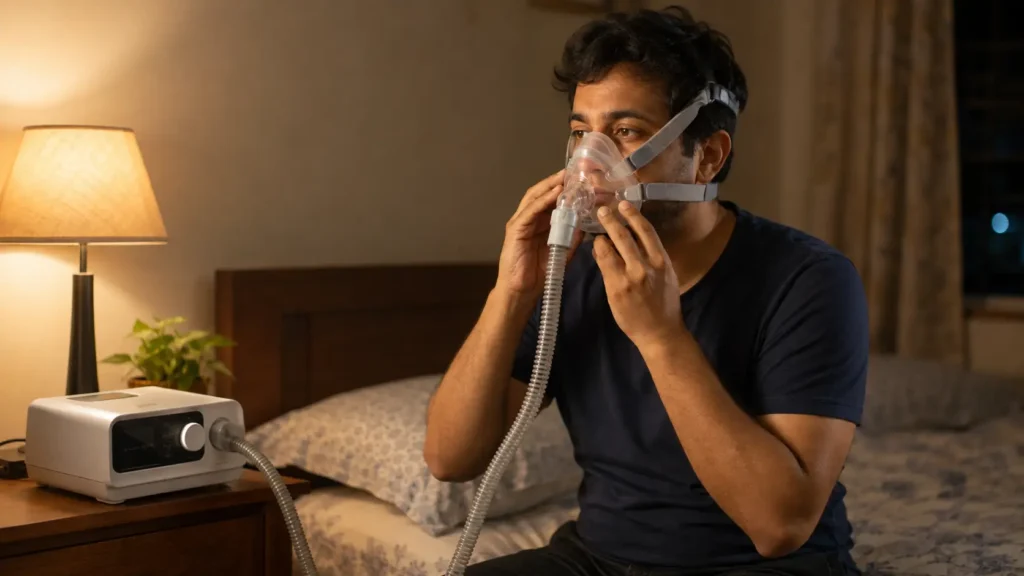
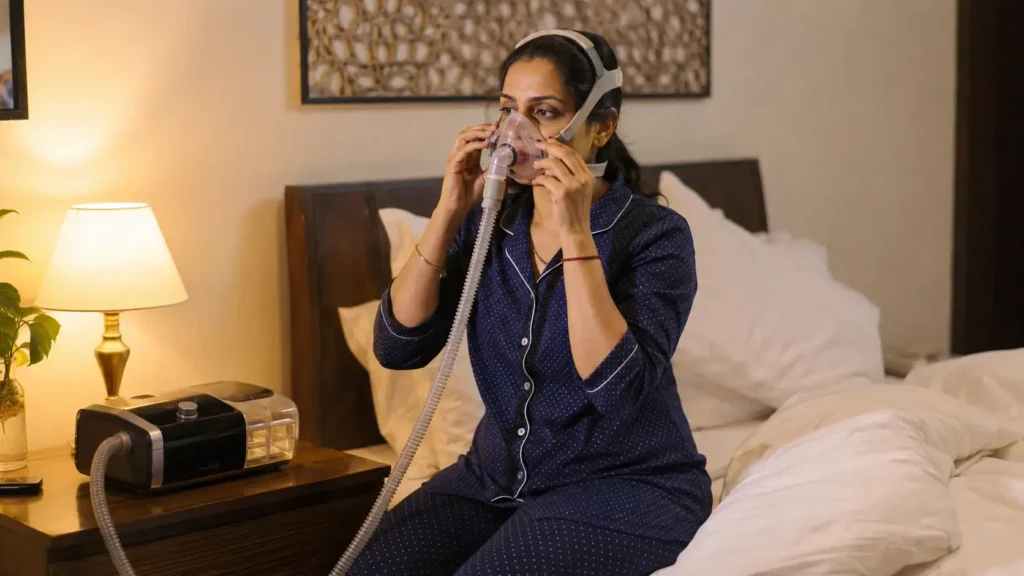
A full face mask covers the nose and mouth. It can help people who breathe through the mouth or have nasal blockage.
Good for:
- Mouth breathers
- Nasal congestion
- Mouth leak with nasal mask
- Higher pressure needs in some cases
May not suit:
- People wanting minimal contact
- Some side sleepers
- Users prone to large leaks if fit is poor
How to Choose the Best CPAP Mask
Consider:
- Do you breathe through nose or mouth?
- Do you have nasal blockage?
- Do you sleep on your side or back?
- Do you feel claustrophobic?
- Do you have facial hair?
- Is your pressure high or low?
- Do you get dry mouth?
- Does your current mask leak?
Signs Your CPAP Mask Is Not Right
- Air leaks into eyes
- Dry mouth every morning
- Red marks or pain
- Mask noise
- You remove it during sleep
- You wake often
- Therapy feels uncomfortable
FAQs
1. Which CPAP mask is best for mouth breathers?
A full face mask is often considered when mouth breathing or mouth leaks are present.
2. Which mask is best for side sleepers?
Many side sleepers prefer nasal pillow or compact nasal masks, but fit matters.
3. Can I change my CPAP mask?
Yes. If your mask is uncomfortable or leaking, ask for guidance.
4. Is mask leak normal?
Small leak may happen, but frequent or large leak should be corrected.
Medical Disclaimer
This article is for educational purposes only. CPAP mask selection should be guided by a healthcare provider or trained sleep therapy professional.