For 4 Years I Couldn’t Sleep Properly…And I Realized I’m Not the Only One.
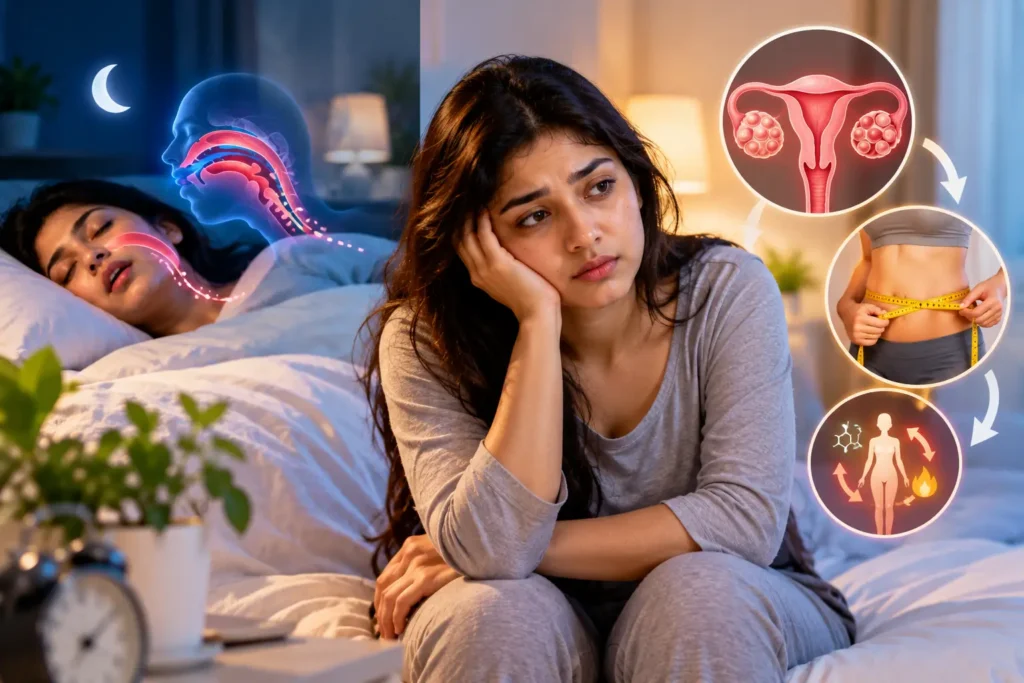
For over four years now, I have been struggling to get a good night’s sleep.Like many others, I brushed it aside for a long time, convincing myself that it must be hormonal changes, age, stress, or simply a passing phase. Perhaps there was also a quiet fear, the fear of what I might discover if I actually went to a sleep specialist.
But the truth is, poor sleep slowly began to disrupt my life in ways I could no longer ignore.
A Life Built on Discipline:
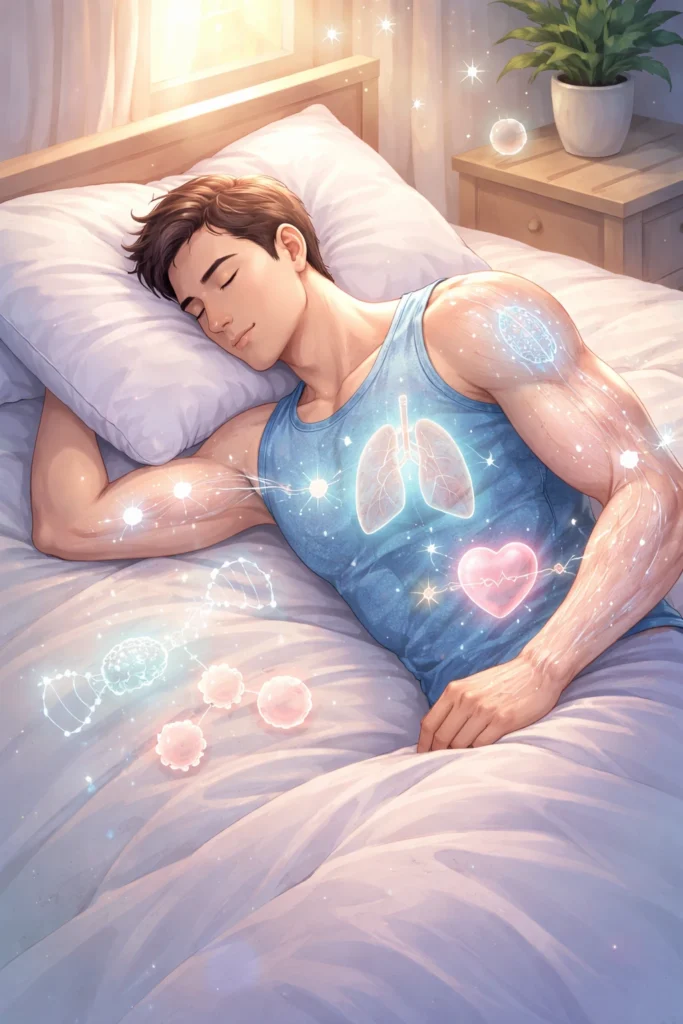
I have always been an athlete. Growing up in a sports-oriented family, discipline was second nature to me. My life followed a rhythm: fixed sleeping hours, early mornings, training sessions, recovery periods, and structured workdays.
Sleep was not a luxury; it was a part of training.
As athletes, we are made to understand that sleep is when the body repairs itself. It is the time when muscles recover, hormones regulate, and the mind resets.
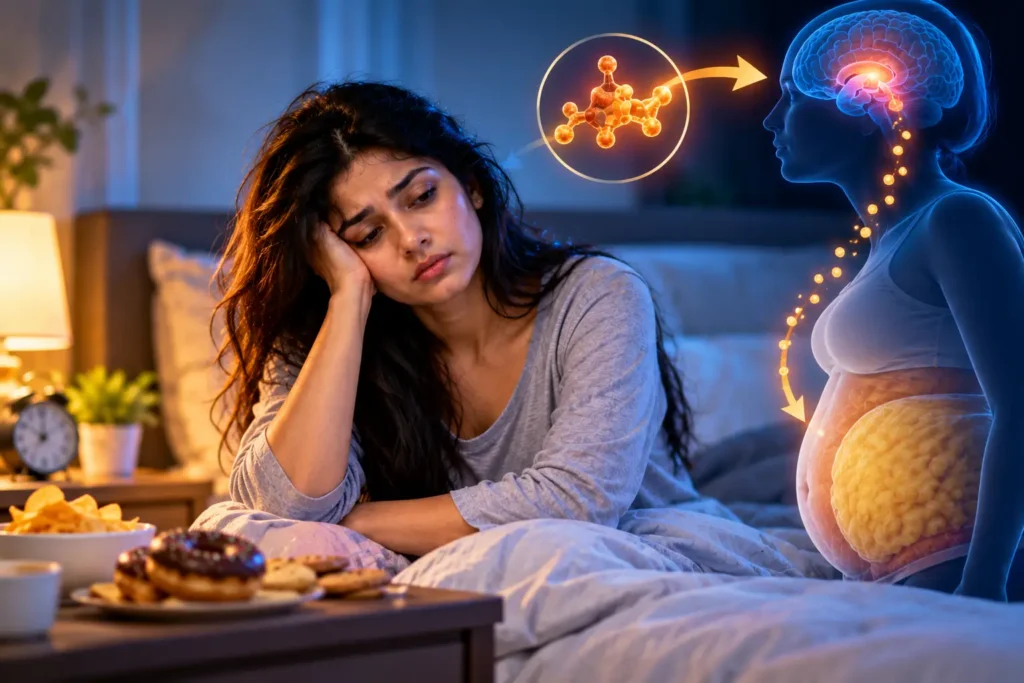
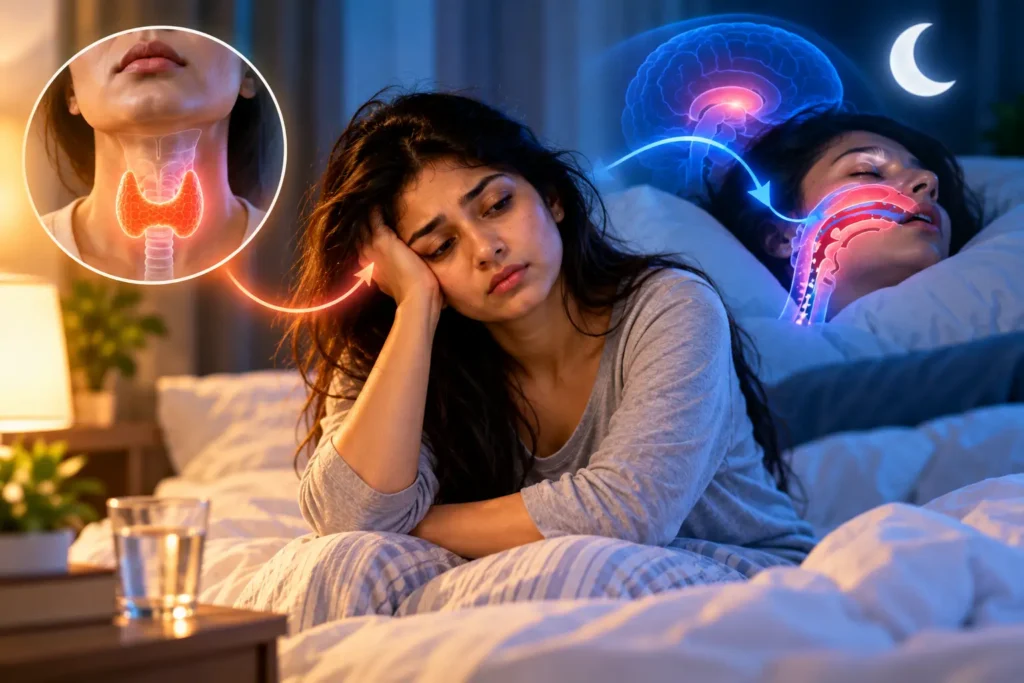
But over the past four years, I have found myself playing hide-and-seek with sleep. Sometimes I fall asleep on time, only to wake up at 2:30 or 3:00 a.m. and remain awake for the rest of the night. Other times I simply cannot fall asleep until 2:00 a.m. or later. The result is predictable: the next day begins with fatigue. I miss my runs. I reach work late. I feel lethargic and unfocused.
And then the cycle repeats.
A Shared Struggle:
When I began talking to people around me, I realized something surprising: I was not alone.
Friends, colleagues, and acquaintances shared similar experiences. Waking up in the middle of the night, difficulty falling asleep, persistent fatigue during the day. Many felt that their sleep had worsened significantly after the COVID-19 pandemic.Science supports this observation.
A large international study involving more than 13,000 participants across 16 countries found that nearly half of respondents reported symptoms of insomnia, while over 60% experienced persistent fatigue during the pandemic period. [The Lancet]
Post-COVID research also shows that sleep disturbances may affect a substantial proportion of people recovering from the infection. Studies estimate that sleep problems occur in roughly 6% to over 70% of individuals experiencing post-COVID conditions, depending on the population studied. [PMC]
Sleep disturbances are not simply about feeling tired. They affect mental health, productivity, immune function, and overall quality of life.
Why Sleep Matters More Than We Think:
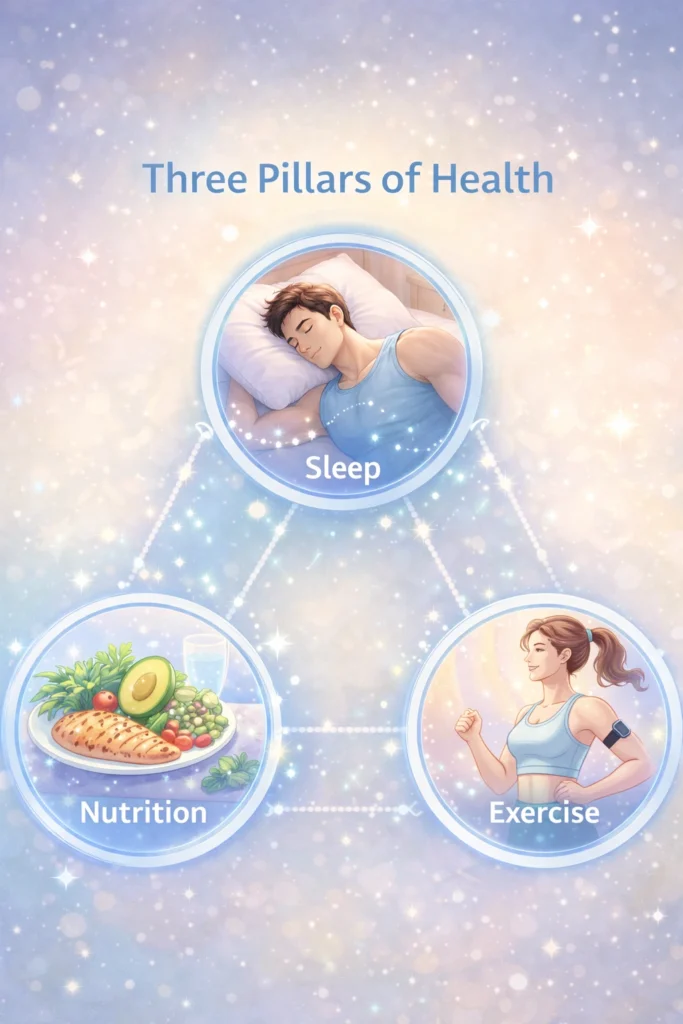
Sleep is one of the three fundamental pillars of health, alongside nutrition and physical activity.
During sleep, the body performs critical biological functions:
- Repairing tissues and muscles
- Consolidating memory and learning
- Regulating metabolism and hormones
- Strengthening immune defenses
- Restoring cognitive and emotional balance
Poor sleep, on the other hand, has been associated with increased risks of diabetes, blood pressure, cardiovascular disease, metabolic disorders, depression, anxiety, and reduced cognitive performance. It also affects productivity, accident risk, and overall well-being.
Mental health organizations emphasize that sleep and mental health are deeply interconnected. Persistent sleep deprivation can worsen stress, anxiety, and mood disorders, while mental health challenges can in turn disrupt sleep patterns, creating a difficult cycle to break.
Technology, Lifestyle, and the Modern Sleep Crisis:
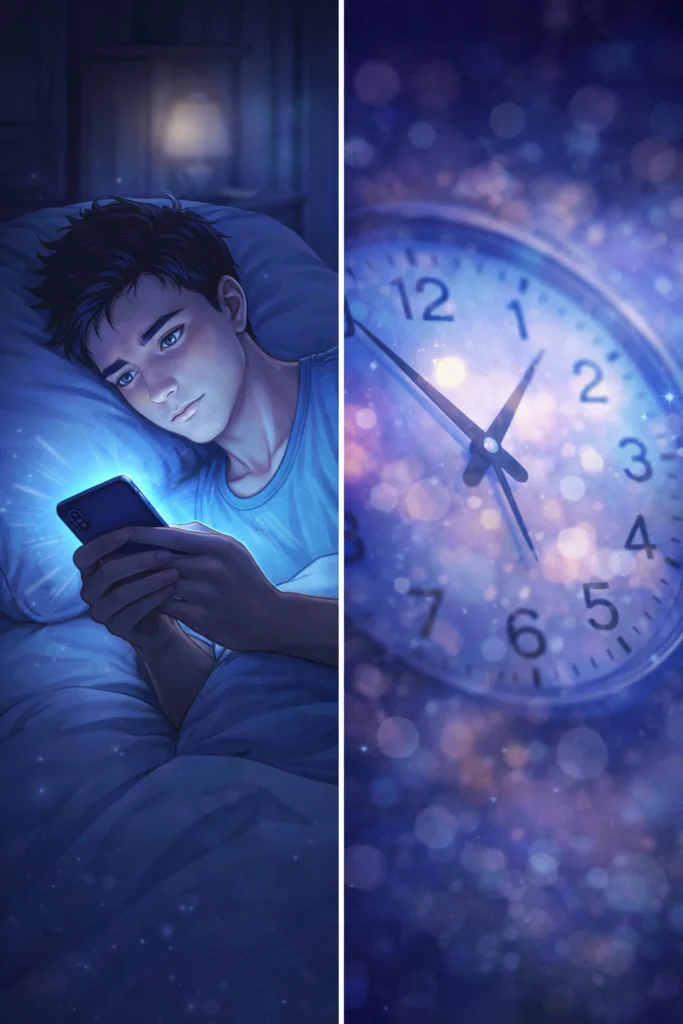
Another factor that cannot be ignored is the role of modern lifestyle. Technology has dramatically altered our relationship with sleep.
Late-night screen exposure, constant connectivity, irregular work hours, and digital overstimulation all interfere with our natural circadian rhythm, the biological clock that tells our body when to sleep and wake. What was once a predictable rhythm of daylight anddarkness has now become blurred.
As a result, sleep has quietly become one of the most neglected aspects of health in modern society.
Discovering the World of Sleep Science:
When I had the opportunity to become part of Slumber Sense Global, I did not hesitate.
Coming from a sports background, I have always believed that health and human performance are deeply interconnected. Sleep, I realized, is not just a nightly routine; it is a vast and fascinating field of science.
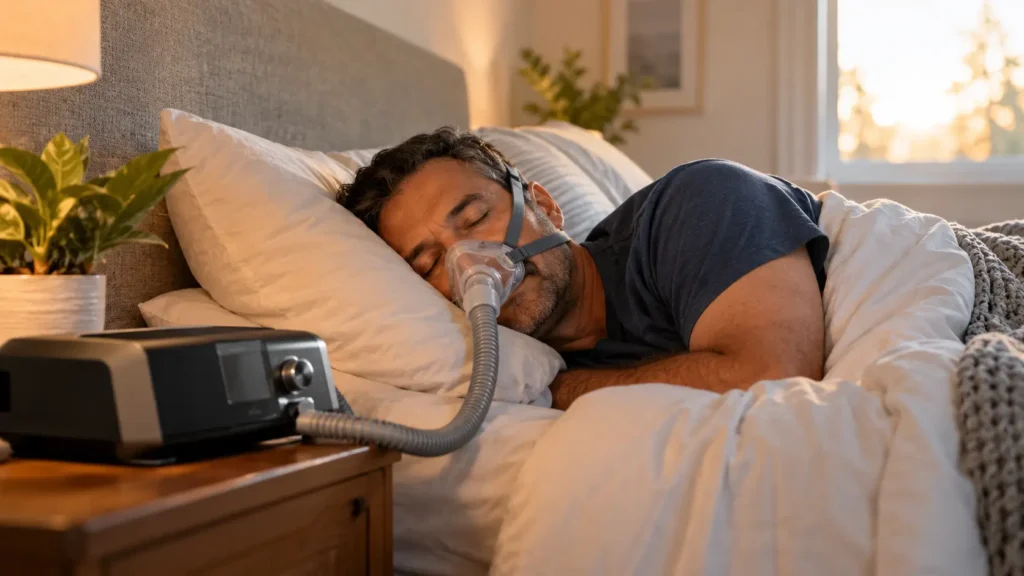
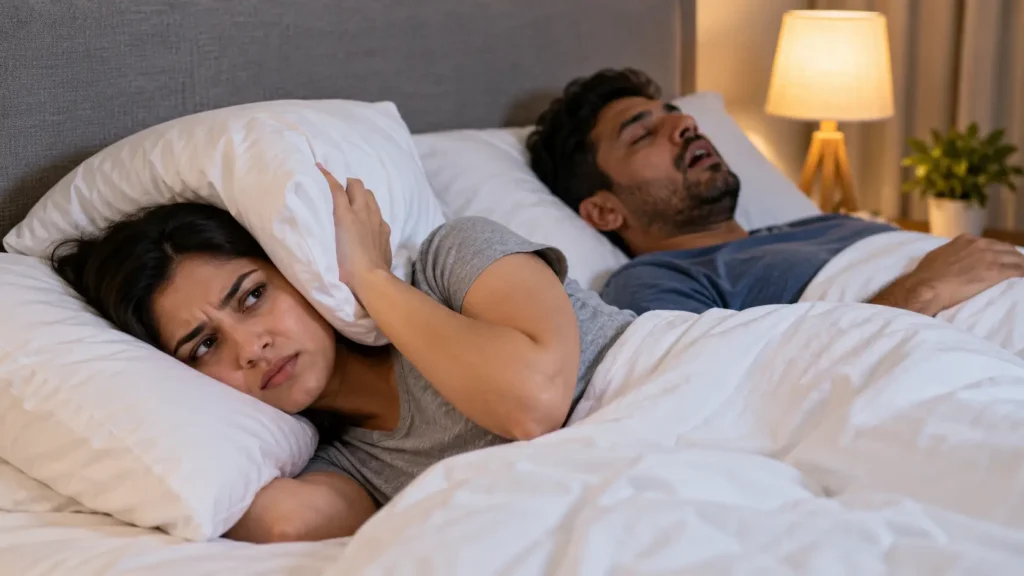
Sleep disorders range across a wide spectrum: insomnia, circadian rhythm disorders, restless leg syndrome, parasomnias, and sleep-disordered breathing such as sleep apnea. Sleep apnea alone is only one piece of a much larger puzzle.
As I began reading research and speaking with doctors and sleep practitioners, it became clear that awareness about sleep health is still very limited, despite its enormous impact on human well-being.
The Mission of Slumber Sense Global:

At Slumber Sense Global, our initiative is simple yet urgent:
To create awareness about sleep as an essential pillar of health.
We want to bring together voices from across the sleep ecosystem, including:
- Sleep physicians and specialists
- Sleep technicians and researchers
- Patients recovering from sleep disorders such as sleep apnea or insomnia
- Mental health professionals
- Medical equipment innovators working to improve sleep therapy
Every story matters. Every voice helps build awareness.
Because for many people, sleep problems remain invisible, misunderstood, or untreated.
A Question for All of Us:
On this World Sleep Day, I would like to ask a simple question to everyone reading this:
Are you sleeping well?
If the answer is yes, cherish it.
If the answer is NO, please do not ignore it.
Sleep problems are not something we should simply live with. Help is available, science is advancing, and solutions exist, but awareness is the first step.
At Slumber Sense Global, we invite anyone who wishes to share their story or knowledge about sleep health to connect with us.
Because when we sleep better, we truly live better.
Citation: