

Your cart is currently empty!.
You may check out all the available products and buy some in the shop.
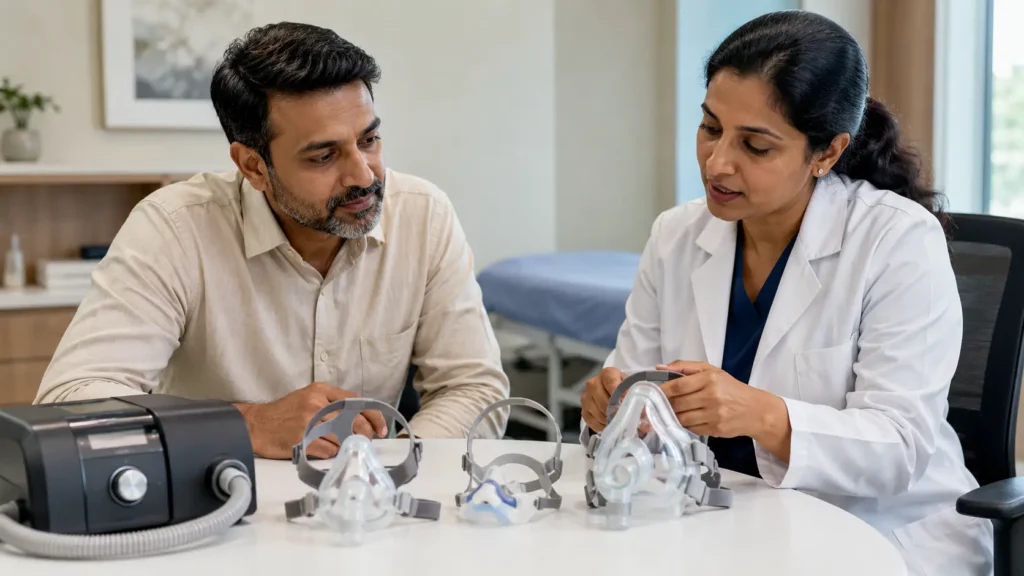
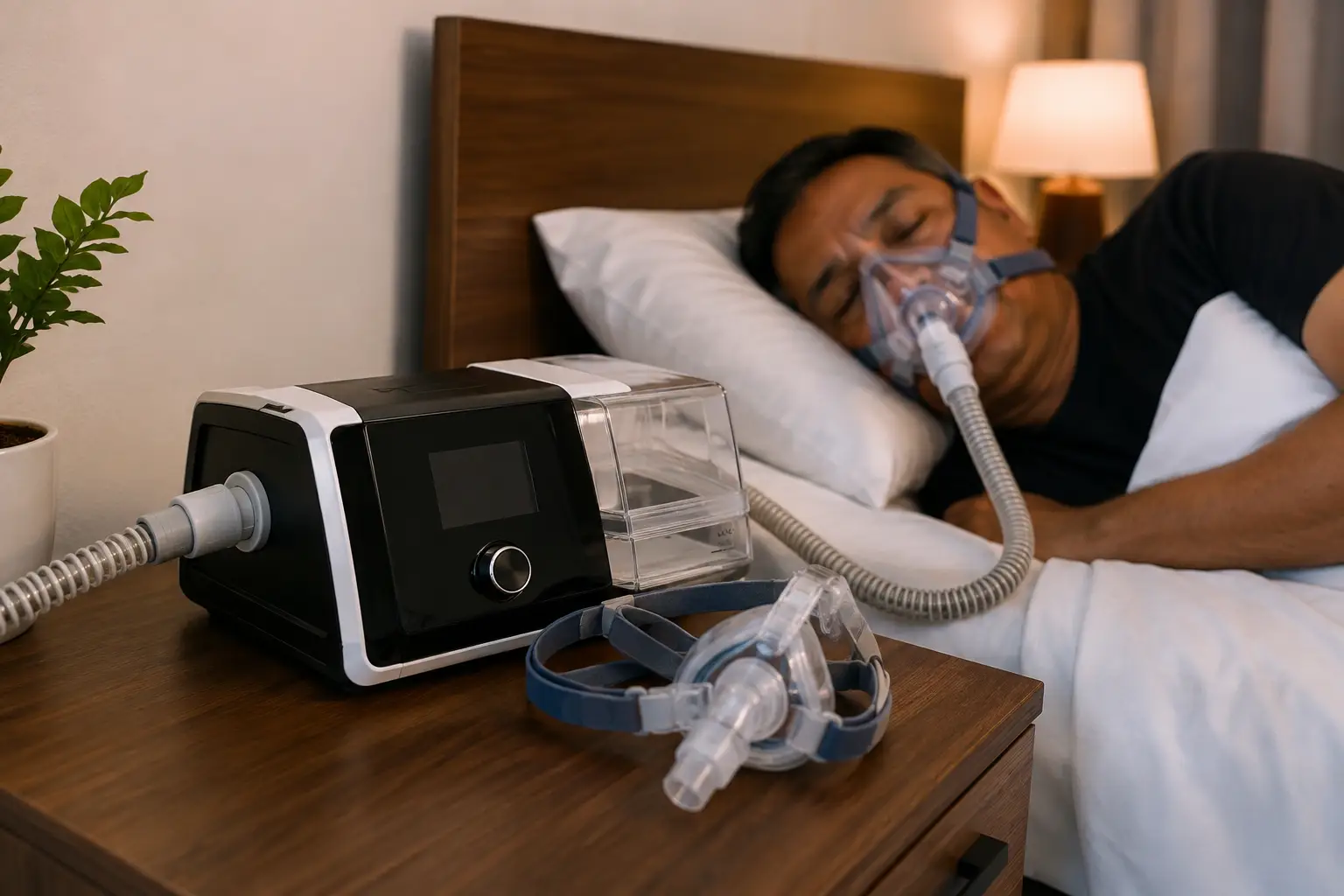
Continue ShoppingQuick Answer The best CPAP mask is the one that fits your face comfortably, seals well, matches your breathing style, and allows you to…
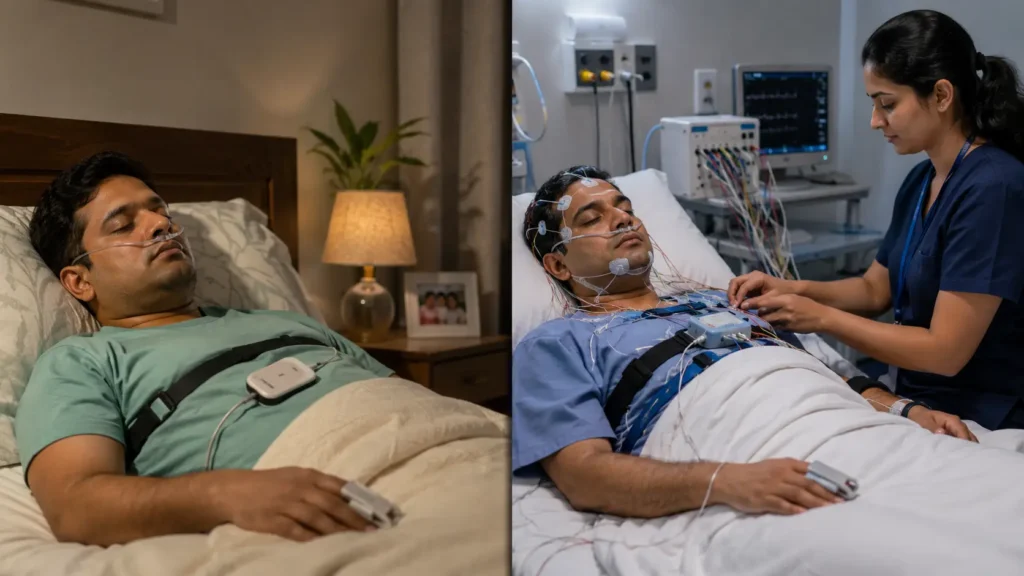
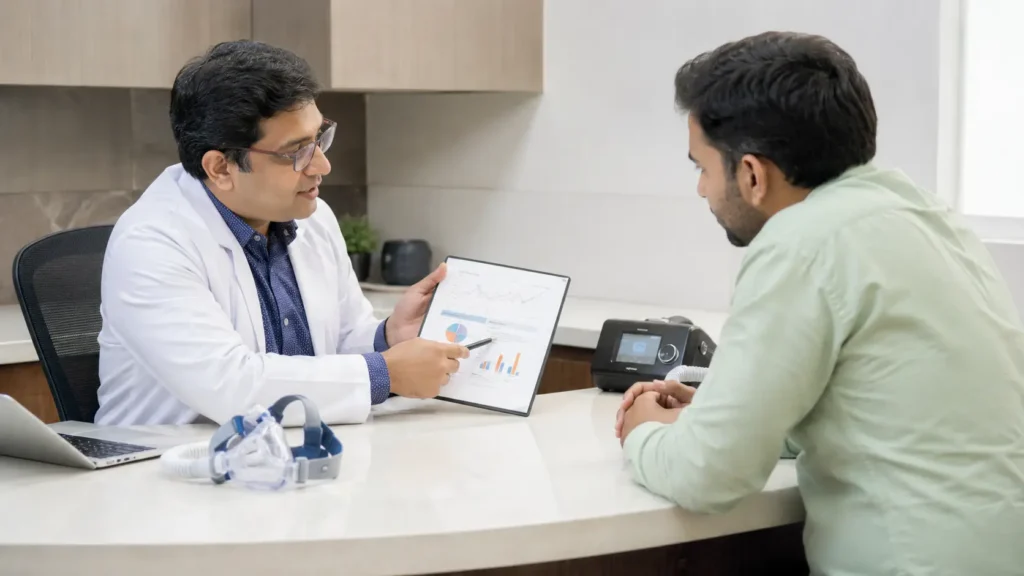
Quick Answer The primary difference in a home sleep test vs lab sleep study is the depth of monitoring. A home sleep test focuses…
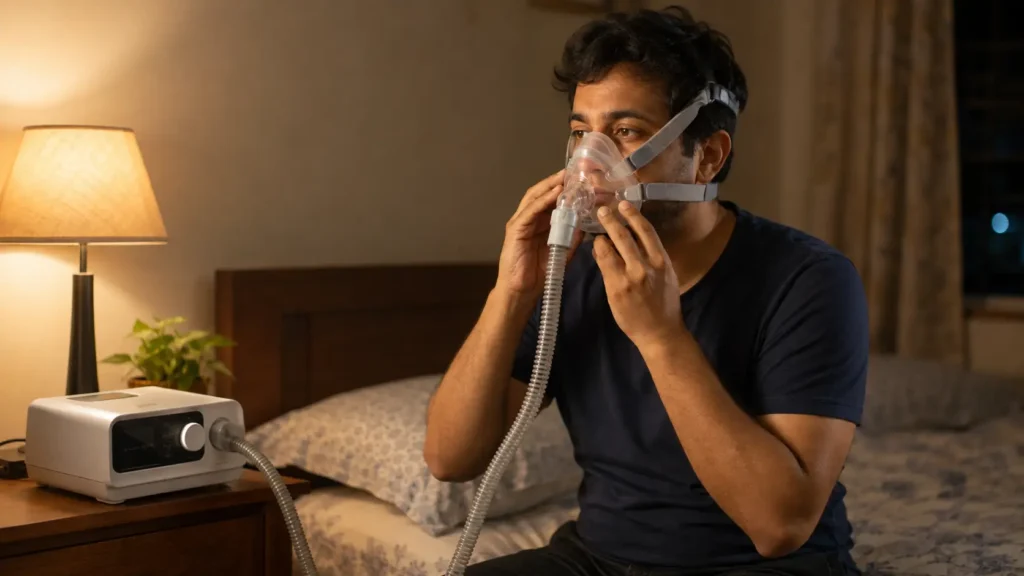
Quick Answer CPAP therapy uses gentle air pressure through a mask to help keep the airway open during sleep. In the first month, many…
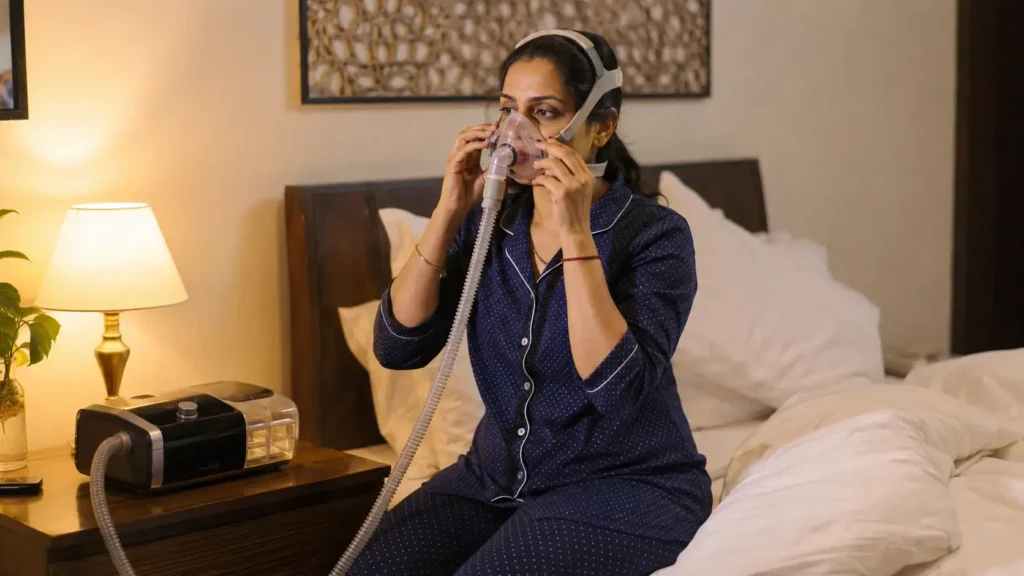
Quick Answer CPAP therapy uses gentle air pressure through a mask to help keep the airway open during sleep. In the first month, many…
Quick Answer An auto CPAP machine, also called APAP, automatically adjusts air pressure during sleep within a prescribed range. It may be useful when…
Quick Answer AHI stands for Apnea-Hypopnea Index. It measures how many breathing pauses or shallow breathing events happen per hour of sleep. In adults,…
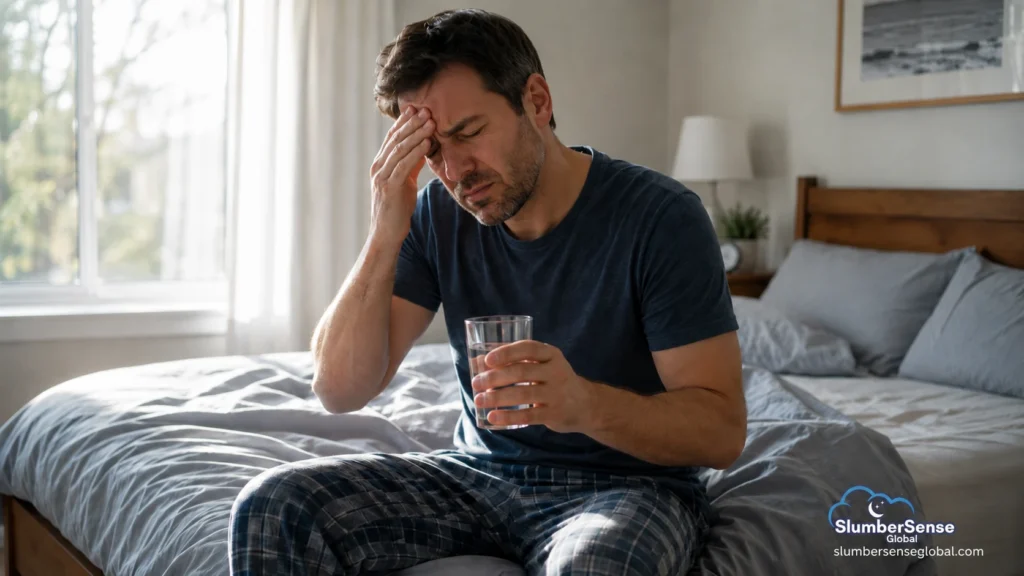
Quick Answer Waking up with a morning headache and dry mouth can happen due to dehydration, mouth breathing, nasal blockage, alcohol, medicines, stress, poor…
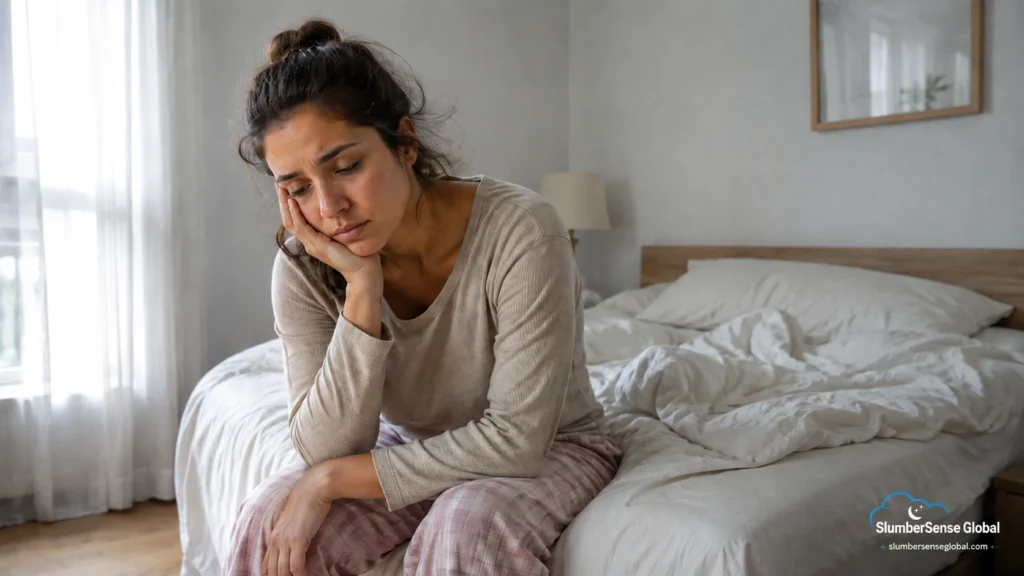
Quick Answer If you are waking up tired after sleep, it may mean you are spending enough hours in bed, but your sleep quality…
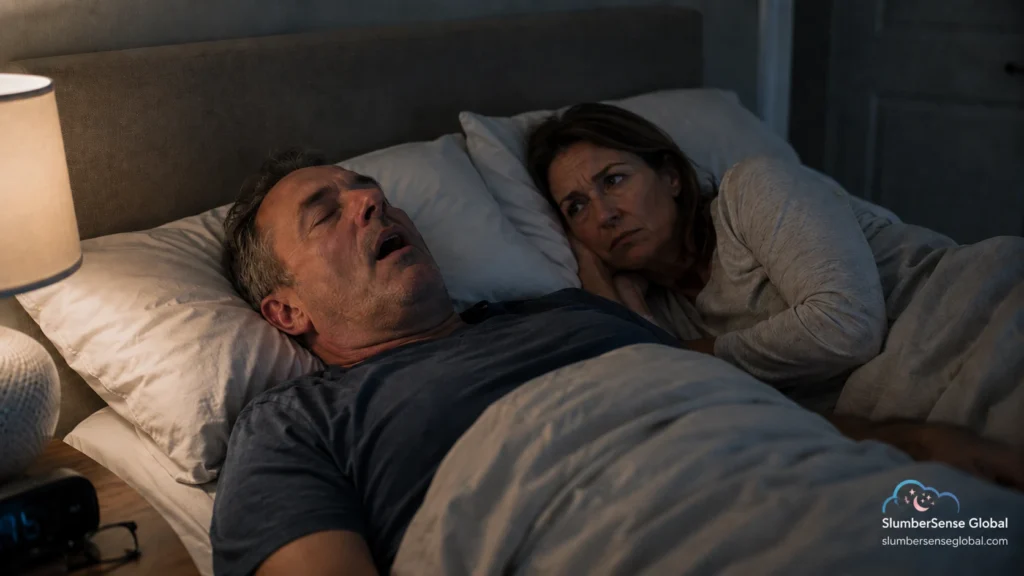
Quick Answer Common sleep apnea symptoms include loud snoring, pauses in breathing during sleep, gasping or choking at night, morning headaches, dry mouth, daytime…
Quick Answer The main difference between snoring vs sleep apnea is that simple snoring is usually a noise caused by vibration in the throat,…